
Crenate Pilea
Taxonomy

Pilea crenata
Pilea
Urticaceae
Rosales

How to care for Crenate Pilea
How often to water your Crenate Pilea

every 9
Crenate Pilea needs 0.5 cups of water every 9 when it doesn’t get direct sunlight and is potted in a 5" pot.
Use our water calculator to personalize watering recommendations to your environment or download Greg for more advanced recommendations for all of your plants.
Water 0.5 cups every
9
Finding light for Crenate Pilea in your home

a window
Crenate Pilea may have difficulty thriving, and will drop leaves 🍃, without ample sunlight.
Place it less than 3 feet from a south-facing window to maximize the potential for growth.
Select your region to see how the current weather in your area affects the placement of Crenate Pilea in your home 🏡.
How to fertilize Crenate Pilea

Most potting soils come with ample nutrients which plants use to produce new growth.
By the time your plant has depleted the nutrients in its soil it’s likely grown enough to need a larger pot anyway.
To replenish this plant's nutrients, repot your Crenate Pilea after it doubles in size or once a year—whichever comes first.
-
Moon Valley Pilea/ Friendship Plant Went on vacation and missed one watering now she looks sad. Crispy and droopy leaves. How can I help her recover?
-
Anyone else ever have this problem? Plant suddenly just dropped and appears wilted. I've been letting it dry out between watering so I don't think it's over watered. #Pilea
-
Baby Chinese money plants or new branches of growth???
-
Dopping leaves? I think it’s healthy, but it scares me when it drops leaves!! #Pilea
-
How often do you water your Aluminum Plant? Mine has died back a lot but is still hanging on. #Pilea
-
Chinese Money Plant leaves not opening recently new leaves that are coming out of my plant keep curling up and not opening, and I don’t know how to fix it does anyone have any tips on what i can do to stop this from continuing.
-
Hi plant community! I adopted this money plant a few years ago when someone left it in the office I moved into. It was already pretty leggy when I took it on and now it looks stressed I guess based on the brown/red coloration that's occurring. I plan to bring it home to transplant it and refresh its soil. Any suggestions for dealing with the legginess? Should I prop it up so it grows straighter and just let it keep going or should I cut and propagate it? Any advice appreciated! This is my first money plant and I have no idea how old it is. #moneyplant #leggyplant
-
It was some dark brown dry spots on edges #Pilea
-
Pilea Does this plant look healthy? Its constantly growing new leaves but they look spread out. The bottom leaves look a bit droopy
-
my grandfather gave me this chinese money plant that he’s had for a long time about a month ago, and since then it’s lots like 75% of its leaves. it’s so crazy! I noticed some were falling off the day he gave it to be but it’s been non stop. is there anything I can do about it? The picture of it on its plant profile is a few days after i got it. #ChineseMoneyPlant


Care Summary for Crenate Pilea
Crenate Pilea
 Greg recommends:
 Water
Water
0.5 cups every 9 days
 Placement
< 3ft from a window
 Nutrients
Repot after 2x growth
Based on the 4” pot your plant is in, and that it doesn’t get direct sunlight.
 Trending in your area
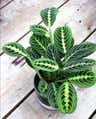
Green Prayer Plant

Cathedral Windows

Dwarf Umbrella Tree

Zebra Plant
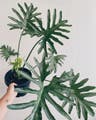
Split Leaf Philodendr…
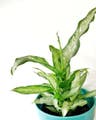
Dieffenbachia

Painter's Palette

White Bird of Paradise

Emerald Ripple Pepero…

Tomato Plant
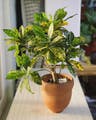
Gold Dust Croton

Aloe vera

False Christmas Cactus
Sweet Basil

Lipstick Echeveria
Phalaenopsis Orchid
Marble Queen Pothos

Purple Heart
 Similar to Crenate Pilea

✨ Discover rare plants

Begonia hydrocotylifo…

Tuber Fleeceflower

Aglaonema Spitfire

Radiator Plant

Philodendron 'Glorius'

Cleistocactus icosago…

Philodendron eximium
Hoya 'Memoria'

Large Leaf Elephant B…

Bonsai Crassula

Hoya kalimantan

Aglaonema 'Green Bowl'

Chandelier Plant
Anthurium papillilami…

Lithops

Scindapsus pictus 'Si…
