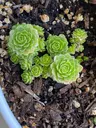
Ornithogalum puberulum subsp. puberulum
Taxonomy

Ornithogalum puberulum subsp. puberulum
Ornithogalum
Asparagaceae
Asparagales

How to care for Ornithogalum puberulum subsp. puberulum
How often to water your Ornithogalum puberulum subsp. puberulum

every 9
Ornithogalum puberulum subsp. puberulum needs 0.5 cups of water every 9 when it doesn’t get direct sunlight and is potted in a 5" pot.
Use our water calculator to personalize watering recommendations to your environment or download Greg for more advanced recommendations for all of your plants.
Water 0.5 cups every
9
Finding light for Ornithogalum puberulum subsp. puberulum in your home

a window
Ornithogalum puberulum subsp. puberulum love being close to bright, sunny windows 😎.
Place it less than 1ft from a south-facing window to maximize the potential for growth.
Ornithogalum puberulum subsp. puberulum does not tolerate low-light 🚫.
Select your region to see how the current weather in your area affects the placement of Ornithogalum puberulum subsp. puberulum in your home 🏡.
How to fertilize Ornithogalum puberulum subsp. puberulum

Most potting soils come with ample nutrients which plants use to produce new growth.
By the time your plant has depleted the nutrients in its soil it’s likely grown enough to need a larger pot anyway.
To replenish this plant's nutrients, repot your Ornithogalum puberulum subsp. puberulum after it doubles in size or once a year—whichever comes first.
-
Any advice? I live in KY, USA, is my plant done for? It's an outside potted plant that is in direct sunlight in the morning and afternoon and complete shade in the evening. Any tips to bring blooms back, I'm not sure what to do?? I'm brand new to the flower world and want to get it going but I have the worst luck! Please help if can!
-
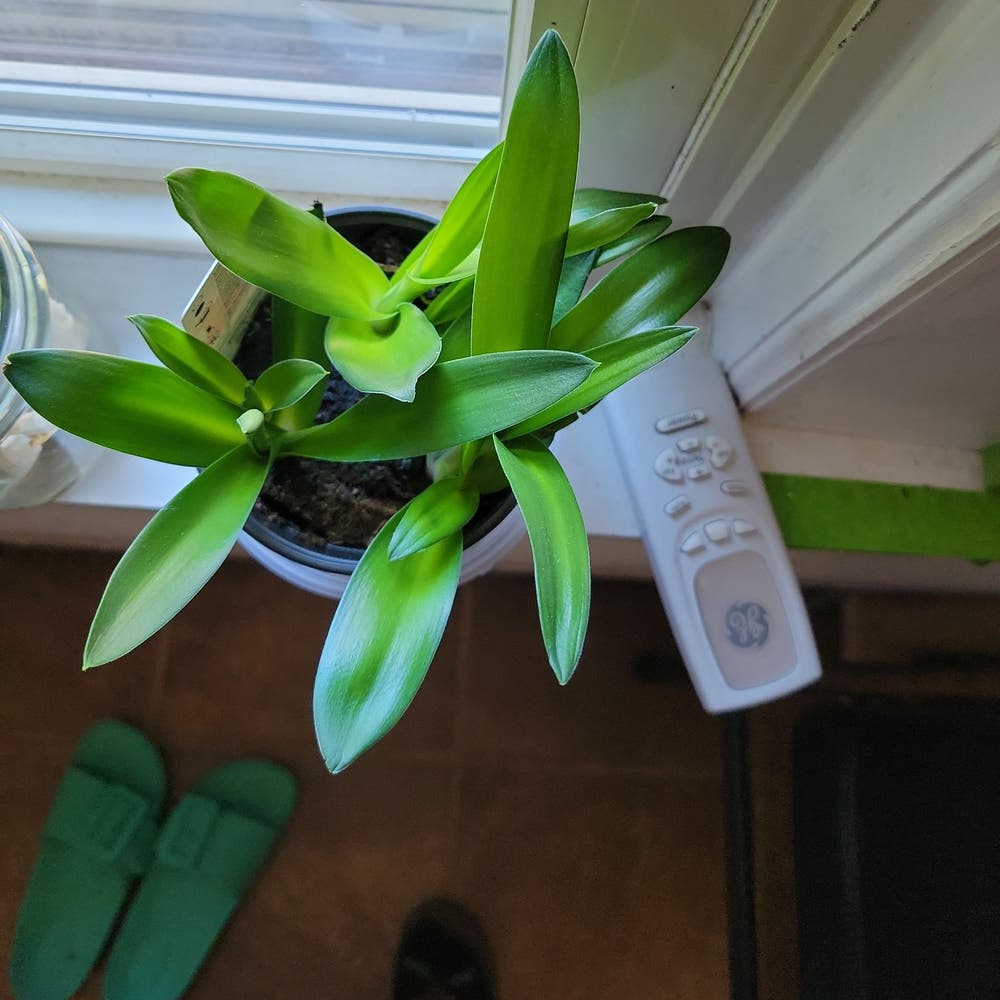
My Star of Bethlehem has just started to get brown on the very tips. She is in a 4” pot that came in. Watering as per Greg, checking first if dry. Indirect sunlight. Just 2 weeks old? Any ideas !
-
Can I transplant this flower into my flower garden #StarOfBethlehem
-
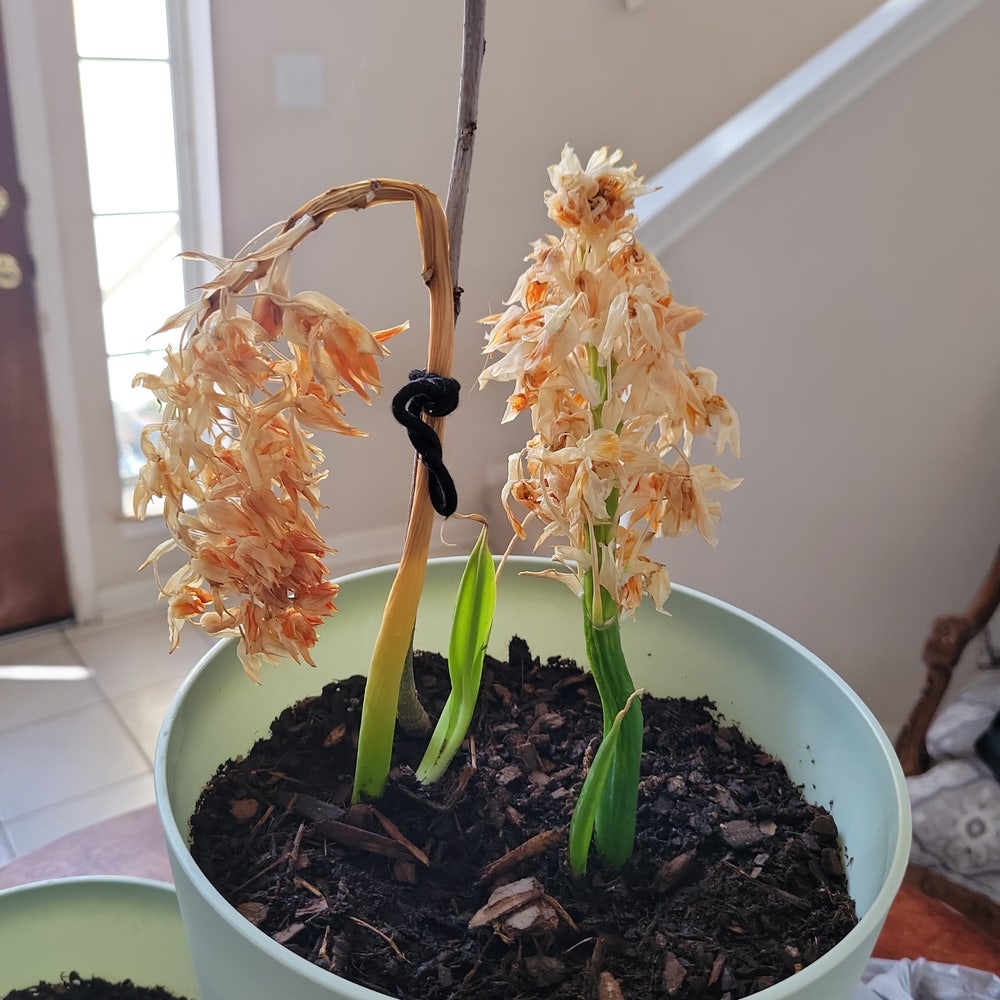
How / when to trim? #SunStar this guy has new blooms towards the bottom but the top blooms are dry and dead. Where is the best place to trim?
-
My sunstar is so sad :( Can anyone help to diagnose what is wrong with my sun star?
-
Can you plant outside in Palm Springs. call me is it annual or perineal #SunStar
-
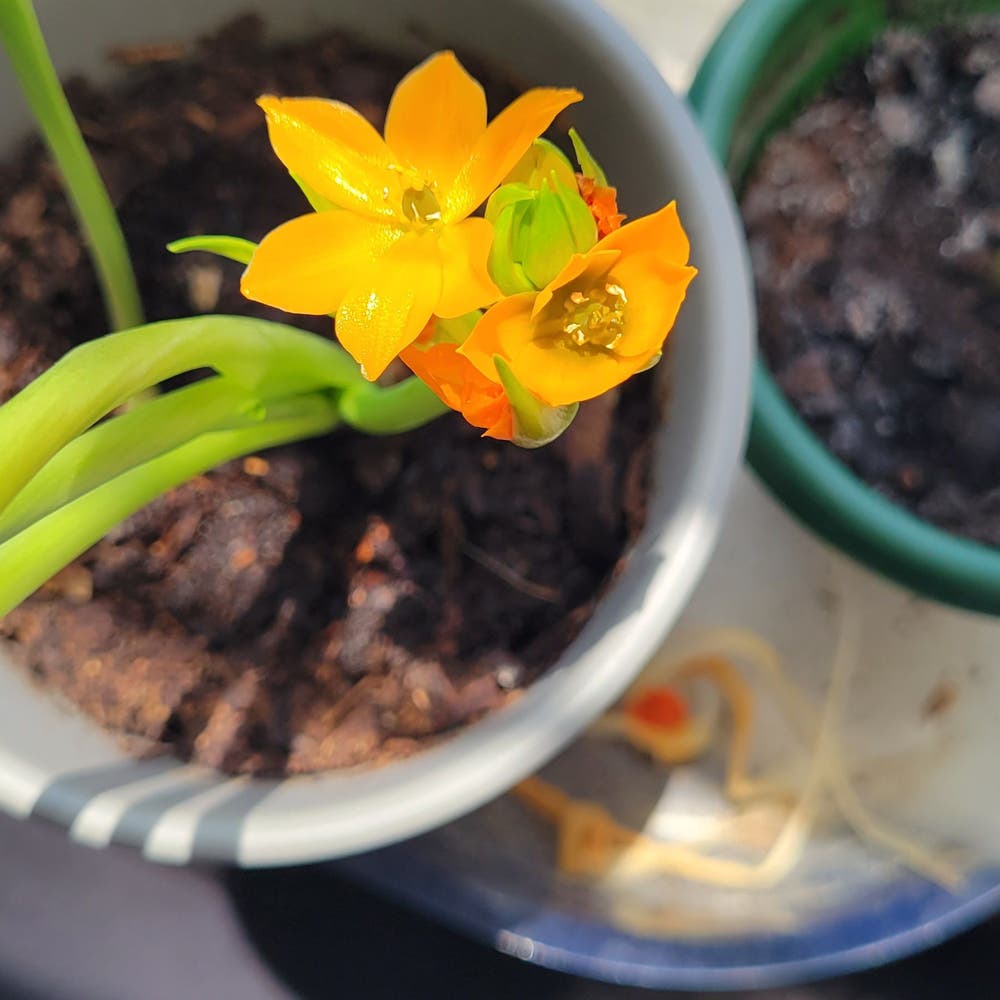
Sunny has popped out a flower. She took forever to finally get a bud out, and now she has shown a few flowers. Now, she is waiting for her companions to do the same. 😁
-
Do I need to repot and separate my sun star plants? #happyplants#newgrowth#newplantmom So, happily, my sun start plant seemingly came back from the dead about 1.5 months ago lol. It came back looking super healthy and happy. But now I'm seeing that there are what looks like 3 separate plants growing in this pot (2.5in) and they are getting bigger than the original plant was when I bought it. Do I need to repot this in a bigger pot and do I need to separate the 3 plants? Also, will my sun star keep coming back or will it be more like most bulbs and live for a few cycles before dying? #SunStar
-
RIP Sun Star😥 Death by asparagus pee You will be missed dearly #happyplants #plantsmakepeoplehappy #plantaddict #planttherapy #plantmafia #greggang
-
Any one know whats going on with my Sun Star? My sister took our plants outside and it had been left outside in the sun for a while. I brought them inside and gave them water but its beem about 2 weeks now and they dont look good. Our cat decided to play with one of the pots and knocked it over.. Is there anything i can do to get them to bloom new flowers or are they too late to get help?

Care Summary for Ornithogalum puberulum subsp. puberulum
Ornithogalum puberulum subsp. puberulum
 Greg recommends:
 Water
Water
0.5 cups every 9 days
 Placement
< 1ft from a window
 Nutrients
Repot after 2x growth
Based on the 4” pot your plant is in, and that it doesn’t get direct sunlight.
 Trending in your area









 Similar to Ornithogalum puberulum subsp. puberulum

✨ Discover rare plants

Graptoveria 'Douglas …

Picasso's Paintbrush

Cereus peruvianus 'Pa…

Hoya sipitangensis

Orange Lipstick Plant

Electric Fern
Philodendron 'Silver …

Dinteranthus microspe…

Pine Cone Plant

Betel

Aeonium 'Blushing Bea…

Kudu Lily

Maroon Pitcher Plant

Treasure Flower
Phalaenopsis schiller…

Echeveria 'Joan Danie…