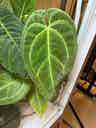
Plant Care Honey Bush 'Purple Haze'

Honey Bush 'Purple Haze'

Taxonomy

Melianthus major 'Purple Haze'
Melianthus
Melianthaceae
Geraniales

How to care for Honey Bush 'Purple Haze'

💦 Water

How often to water your Honey Bush 'Purple Haze'

Water needs for Honey Bush 'Purple Haze'
0.5 cups
every 9

Honey Bush 'Purple Haze' needs 0.5 cups of water every 9 when it doesn’t get direct sunlight and is potted in a 5" pot.

Use our water calculator to personalize watering recommendations to your environment or download Greg for more advanced recommendations for all of your plants.

Water 0.5 cups every
9

Does your plant get direct sunlight?

Select the pot size

5"
☀️ Light

Finding light for Honey Bush 'Purple Haze' in your home

Light needs and placement for plant Honey Bush 'Purple Haze': 3ft from a window
3ft or less from
a window

Honey Bush 'Purple Haze' may have difficulty thriving, and will drop leaves 🍃, without ample sunlight.

Place it less than 3 feet from a south-facing window to maximize the potential for growth.

Select your region to see how the current weather in your area affects the placement of Honey Bush 'Purple Haze' in your home 🏡.

🪴 Nutrients

How to fertilize Honey Bush 'Purple Haze'

Nutrient, fertilizer, and repotting needs for Honey Bush 'Purple Haze': repot after 2X growth

Most potting soils come with ample nutrients which plants use to produce new growth.

By the time your plant has depleted the nutrients in its soil it’s likely grown enough to need a larger pot anyway.

To replenish this plant's nutrients, repot your Honey Bush 'Purple Haze' after it doubles in size or once a year—whichever comes first.

💡 FAQs
💦 Water Needs

Honey Bush 'Purple Haze' prefers for the soil to dry out between waterings and should be watered regularly. Use our water calculator to personalize watering recommendations to your environment or download Greg for more advanced recommendations for all of your plants.


☀️ Sunlight Needs

Honey Bush 'Purple Haze' may have difficulty thriving and will drop leaves 🍃 without ample sunlight. Place it less than 3 feet from a window to maximize the potential for growth. Select your region to see how the current weather in your area affects the placement in your home 🏡.


🐶 🐈 👶 Toxicity

Honey Bush 'Purple Haze' is extremely dangerous if consumed. If you, a family member, or a pet has ingested any amount of plant material contact Poison Control, US (800) 222-1222, or your veterinarian immediately. Honey Bush 'Purple Haze' is not recommended for homes with children, cats, or dogs.


🌦️ Growing Outdoors

USDA Hardiness Zone
Honey Bush 'Purple Haze' can be grown outdoors in USDA Hardiness Zones 8a-10b. Find your local hardiness zone here.


🍂 Yellow Leaves

Yellow leaves aren’t always a reason to panic, and can be a normal part of a plant’s life cycle. Unless brand new leaves are turning yellow or all the leaves change color at once, it’s likely just your plant shedding old leaves.

Overwatering and root rot are the most likely cause of problems in Honey Bush 'Purple Haze', since they are sensitive to wet soil. The leaves may also appear to be curling or drooping. Less often, yellow leaves are caused by underwatering, nutrient deficiencies, or pests.

Replace soggy soil with fresh, dry soil and download Greg to make sure your plant never gets overwatered again!


🧐 Troubleshooting

When troubleshooting a sad-looking houseplant, start by checking for signs of distress in its leaves, such as yellowing, browning, or drooping, which can indicate overwatering or nutrient deficiencies.

Inspect the soil moisture; too dry or too wet soil can cause problems.

Ensure the plant is getting the right amount of light, as too much or too little can stress it.

Finally, consider environmental factors like temperature and humidity, and adjust care routines accordingly to revive your plant.


Care Summary for Honey Bush 'Purple Haze'

Honey Bush 'Purple Haze'


Greg recommends:

Water

0.5 cups every 9 days

Placement

< 3ft from a window

Nutrients

Repot after 2x growth

Based on the 4” pot your plant is in, and that it doesn’t get direct sunlight.

Trending in your area

Similar to Honey Bush 'Purple Haze'

Discover rare plants