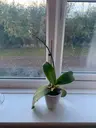
plumleaf crab apple
About plumleaf crab apple
plumleaf crab apple is a super rare houseplant 🌿 that needs regular watering to thrive. They do best in long-lasting, direct light ☀️ and should be less than 1 foot from a window.
plumleaf crab apple likes soil that is good at retaining moisture. Your plant shouldn't need added fertilizers if you repot each time it doubles in size.
⚠️ plumleaf crab apple is extremely dangerous if consumed. If you, a family member, or a pet has ingested any amount of plant material contact Poison Control, US (800) 222-1222, or your veterinarian immediately. These plants are not recommended for homes with children, cats, or dogs.
Taxonomy

Malus prunifolia
Malus
Rosaceae
Rosales
Also known as
plumleaf crab apple, plum-leaved apple, pear-leaf crabapple, Chinese apple and Chinese crabapple

How to care for plumleaf crab apple
How often to water your plumleaf crab apple

every 9
plumleaf crab apple needs 0.5 cups of water every 9 when it doesn’t get direct sunlight and is potted in a 5" pot.
Use our water calculator to personalize watering recommendations to your environment or download Greg for more advanced recommendations for all of your plants.

Water 0.5 cups every
9
Finding light for plumleaf crab apple in your home

a window
plumleaf crab apple love being close to bright, sunny windows 😎.
Place it less than 1ft from a south-facing window to maximize the potential for growth.
plumleaf crab apple does not tolerate low-light 🚫.
Select your region to see how the current weather in your area affects the placement of plumleaf crab apple in your home 🏡.
How to fertilize plumleaf crab apple

Most potting soils come with ample nutrients which plants use to produce new growth.
By the time your plant has depleted the nutrients in its soil it’s likely grown enough to need a larger pot anyway.
To replenish this plant's nutrients, repot your plumleaf crab apple after it doubles in size or once a year—whichever comes first.
-
Is he dying His leaf is brown and the stem is red
-
I have a cedar tree that has Cedar Apple rust which I believe this tree may be affected suggestions #Apple
-
Whatis going on with my leaves? #Apple
-
Es ka kya elaj #Apple
-
My Apple tree is dying what do I do?
-
#FreshLeafFriday Look it’s a butterfly 😍
-
Why does my seedlings have brown roots is that considered root rot #Apple
-
Pink Lady Apple tree lost it’s leaves I noticed today she’s just about bald. We’ve had a lot of rain, humidity & sun this past week in TX. Touched the soil down to my 3rd knuckle and it was a little dry but not bad enough to cause fallen leaves. Put a little vitamin water in this past Sunday as well. I’m new to the fruit & citrus tree game. What am I and what did I do wrong here? How can I help her? Can I help her?
-
Just replaced soil. So hope it'll grow well. 😁
-
Yellowing leaves! I just moved here and these apple trees were here in my yard and I don’t know what kind they are or exactly what’s wrong with them so I’m just trying to learn how to take care of them any help? 


Care Summary for plumleaf crab apple

plumleaf crab apple
 Greg recommends:
 Water
Water
0.5 cups every 9 days
 Placement
< 1ft from a window
 Nutrients
Repot after 2x growth
Based on the 4” pot your plant is in, and that it doesn’t get direct sunlight.
 Trending in your area






 Similar to plumleaf crab apple

✨ Discover rare plants

Eden Climbing Rose

Treasure Flower

Large Leaf Elephant B…

Sarcochilus fitzgeral…

Begonia lubbersii

Munstead Lavender
Rosularia platyphylla
Philodendron 'Silver …

Aglaonema 'Green Bowl'

Peperomia 'Harmony's …

Scotch Moss

Hoya kalimantan

Rainbow Echeveria
Graptopetalum 'Marqui…

Burro's Tail

Begonia hydrocotylifo…