Willow-Leaf Magnolia
Taxonomy

Magnolia salicifolia
Magnolia
Magnoliaceae
Magnoliales

How to care for Willow-Leaf Magnolia
How often to water your Willow-Leaf Magnolia

every 9
Willow-Leaf Magnolia needs 0.5 cups of water every 9 when it doesn’t get direct sunlight and is potted in a 5" pot.
Use our water calculator to personalize watering recommendations to your environment or download Greg for more advanced recommendations for all of your plants.
Water 0.5 cups every
9
Finding light for Willow-Leaf Magnolia in your home

a window
Willow-Leaf Magnolia love being close to bright, sunny windows 😎.
Place it less than 1ft from a south-facing window to maximize the potential for growth.
Willow-Leaf Magnolia does not tolerate low-light 🚫.
Select your region to see how the current weather in your area affects the placement of Willow-Leaf Magnolia in your home 🏡.
How to fertilize Willow-Leaf Magnolia

Most potting soils come with ample nutrients which plants use to produce new growth.
By the time your plant has depleted the nutrients in its soil it’s likely grown enough to need a larger pot anyway.
To replenish this plant's nutrients, repot your Willow-Leaf Magnolia after it doubles in size or once a year—whichever comes first.
-
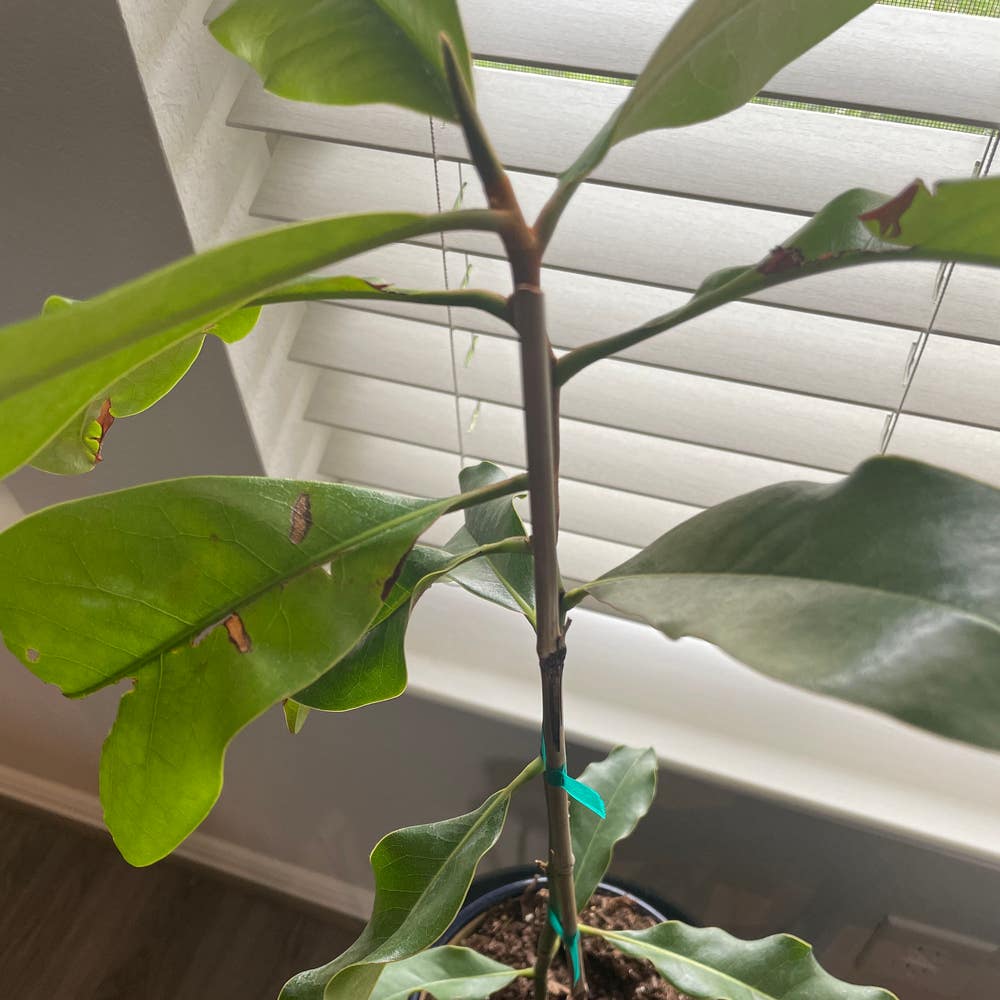
Hi, my Brakens Brown Beauty Magnolia Tree has developed this browning along the veins. I got her about 2 months ago, shes still in the 25 gallon pot, we will be putting in the ground in about a month. We're in Asheville NC. Help please! #BigLaurel
-
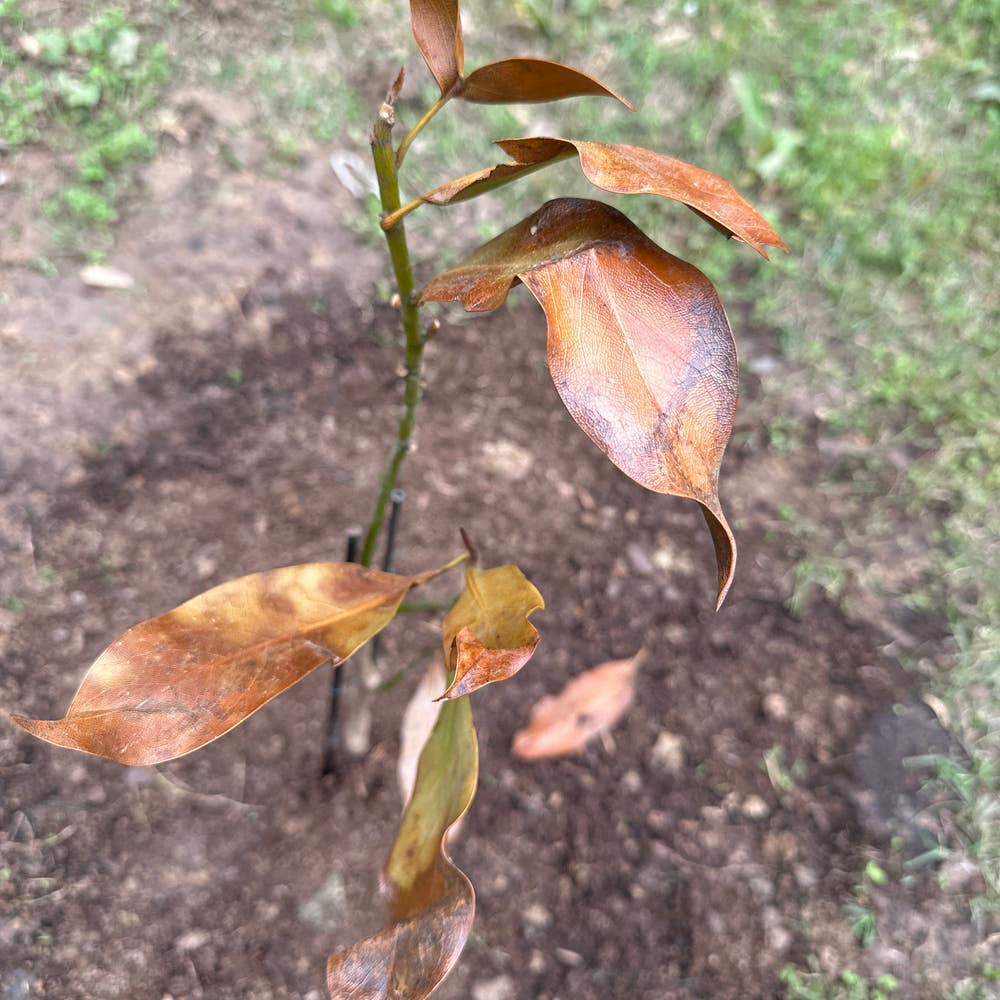
my plant is outside in sc it has browning leaves and leaves that are falling off WHY? #MulanMagnolia
-
Southern Magnolia #BigLaurelgrown Hrown from seed about 3 years ago. Repotted this year they went crazy. They get light but not direct. Do you recommend full sunlight?
-
I love it when #GregID says your pet is a plant. Apparently i have a magnolia tree, that uproots itself every once in a while and travels to a sunnier location. Needs lots of sun and little to no water for best results :) #PetsAndPlants #PlantID #catsandplants #CatsOfGreg
-
The magnolia bloomed but as seen in the picture it never opened, instead the leaves turned brown and fell off, what happened? #BigLaurel
-
And this is my other tree she has half. Leaf are they dead or is there hope? #BigLaurel
-
When I planted them first it was in a pot and it stormed all night and the leaves where turning brown I have two and they are both doing the same thing I have put th in the ground now and this is Apollo I need help please #BigLaurel
-
I think she’s dead…😕 I live in southwestern oregon and we’ve had a few freezes but no heavy snow or anything, she gets plenty of water but not as much sunshine. (it’s Oregon haha) There are no new leaves, buds or growth of any kind. 🤨 #Magnolia #MulanMagnolia #PlantAddict #OutdoorGrowing #OutsidePlants #PlantsMakePeopleHappy #HappyPlants
-
Wish me luck folks, got a Magnolia cutting that I’m trying to start. Any tips would be appreciated!!
-
What’s eating my magnolia? I had it outside for a while but the leaves seemed to be getting brown and broke. Thanks for any knowledge you can share!


Care Summary for Willow-Leaf Magnolia
Willow-Leaf Magnolia
 Greg recommends:
 Water
Water
0.5 cups every 9 days
 Placement
< 1ft from a window
 Nutrients
Repot after 2x growth
Based on the 4” pot your plant is in, and that it doesn’t get direct sunlight.
 Trending in your area








 Similar to Willow-Leaf Magnolia

✨ Discover rare plants

Tillandsia caerulea A…

Electric Blue Gecko

Caladium
Stanhopea tigrina

Philodendron eximium

Graptoveria 'Douglas …

Chandelier Plant

Bonsai Crassula
Anthurium papillilami…

Treasure Flower

Vatricania guentheri

Philodendron 'Glorius'

Eden Climbing Rose

Ruby Ball
Phalaenopsis schiller…

Pine Cone Plant