
Grape Soda Lupine
About Grape Soda Lupine
Grape Soda Lupine is a super rare houseplant 🌿 that needs regular watering to thrive. They do best in long-lasting, direct light ☀️ and should be less than 1 foot from a window.
Grape Soda Lupine likes soil that is well draining. Your plant shouldn't need added fertilizers if you repot each time it doubles in size.
⚠️ Grape Soda Lupine is extremely dangerous if consumed. If you, a family member, or a pet has ingested any amount of plant material contact Poison Control, US (800) 222-1222, or your veterinarian immediately. These plants are not recommended for homes with children, cats, or dogs.
Taxonomy

Lupinus excubitus
Lupinus
Fabaceae
Fabales

How to care for Grape Soda Lupine
How often to water your Grape Soda Lupine

every 9
Grape Soda Lupine needs 0.5 cups of water every 9 when it doesn’t get direct sunlight and is potted in a 5" pot.
Use our water calculator to personalize watering recommendations to your environment or download Greg for more advanced recommendations for all of your plants.
Water 0.5 cups every
9
Finding light for Grape Soda Lupine in your home

a window
Grape Soda Lupine love being close to bright, sunny windows 😎.
Place it less than 1ft from a south-facing window to maximize the potential for growth.
Grape Soda Lupine does not tolerate low-light 🚫.
Select your region to see how the current weather in your area affects the placement of Grape Soda Lupine in your home 🏡.
How to fertilize Grape Soda Lupine

Most potting soils come with ample nutrients which plants use to produce new growth.
By the time your plant has depleted the nutrients in its soil it’s likely grown enough to need a larger pot anyway.
To replenish this plant's nutrients, repot your Grape Soda Lupine after it doubles in size or once a year—whichever comes first.
-
My bluebonnet was shredded down in the back of my yard. I couldn’t find its roots so I planted in on my rose soil! Hope you get better sandy! 😭😭❤️❤️ (also I planted it today: April 25)
-
Drooping leaves and yellowing/browning. Help my bluebonnet are looking very sad what can be wrong?
-
What do I do with the stalks once they shed their flowers? #BigLeavedLupine
-
My #TexasBluebonnet is #Blooming! 🌸🙌🏽🪴 Hope everyone is having a wondeful Sunday today 😊 #HappyPlants #PlantsMakePeopleHappy #PlantAddict #NewGrowth #OutdoorGrowing #Flowers #GregGang #CentralTexasGang #kscapedream
-
Does anyone know what kind of plant this is?
-
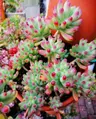
How do I water this assortment of succulents? Im a new plant mom and just got this is a present. Do I need to repot it?
-
Is this truly a string of buttons? #StringOfButtons

Care Summary for Grape Soda Lupine
Grape Soda Lupine
 Greg recommends:
 Water
Water
0.5 cups every 9 days
 Placement
< 1ft from a window
 Nutrients
Repot after 2x growth
Based on the 4” pot your plant is in, and that it doesn’t get direct sunlight.
 Trending in your area












 Similar to Grape Soda Lupine


✨ Discover rare plants

Tuber Fleeceflower

Royal Flush Split Rock

Crassula 'Purple Drag…

Aglaonema Spitfire

Fernleaf Lavendar

Ceropegia simoneae

Variegated Arrowhead …
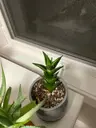
Astroloba congesta

Ruby Ball

Scindapsus pictus 'Si…

Pseudorphipsalis 'Blu…

Cleistocactus icosago…

Haworthia emelyae com…

Scindapsus pictus 'Si…

Bonsai Crassula

Betel
