
California Poppy 'Jelly Beans'
Taxonomy

Eschscholzia californica 'Jelly Beans'
Eschscholzia
Papaveraceae
Ranunculales

How to care for California Poppy 'Jelly Beans'
How often to water your California Poppy 'Jelly Beans'

every 9
California Poppy 'Jelly Beans' needs 0.5 cups of water every 9 when it doesn’t get direct sunlight and is potted in a 5" pot.
Use our water calculator to personalize watering recommendations to your environment or download Greg for more advanced recommendations for all of your plants.
Water 0.5 cups every
9
Finding light for California Poppy 'Jelly Beans' in your home

a window
California Poppy 'Jelly Beans' love being close to bright, sunny windows 😎.
Place it less than 1ft from a south-facing window to maximize the potential for growth.
California Poppy 'Jelly Beans' does not tolerate low-light 🚫.
Select your region to see how the current weather in your area affects the placement of California Poppy 'Jelly Beans' in your home 🏡.
How to fertilize California Poppy 'Jelly Beans'

Most potting soils come with ample nutrients which plants use to produce new growth.
By the time your plant has depleted the nutrients in its soil it’s likely grown enough to need a larger pot anyway.
To replenish this plant's nutrients, repot your California Poppy 'Jelly Beans' after it doubles in size or once a year—whichever comes first.
-
Yellow leaves; nitrogen deficiency? #CaliforniaPoppy
-
My poppy is starting to yellow and look sad - does this mean I overwatered her? Any tips? #CaliforniaPoppy
-
Planted some new #californiapoppy seeds. I would like some caretaking advice! View the plant card. Is the setup good? I put it near my #fishwort and new #delphinium. #plantaddict #newplantmom #planttherapy #plantsmakepeoplehappy #floweringplants #newplants #seeds
-
Do these Poppy bloom all summer ?? Never had them before. First year and they r beautiful
-
i need help with this poppy! i have it outdoors and the temp was 80+F a few days ago and i watered it yesterday… not sure what i should do


Care Summary for California Poppy 'Jelly Beans'
California Poppy 'Jelly Beans'
 Greg recommends:
 Water
Water
0.5 cups every 9 days
 Placement
< 1ft from a window
 Nutrients
Repot after 2x growth
Based on the 4” pot your plant is in, and that it doesn’t get direct sunlight.
 Trending in your area













 Similar to California Poppy 'Jelly Beans'
✨ Discover rare plants

Graptoveria 'Douglas …
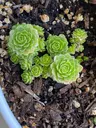
Rosularia platyphylla

Vatricania guentheri

Picasso's Paintbrush

Echeveria 'Joan Danie…

Large Leaf Elephant B…

Parrot Pitcher Plant
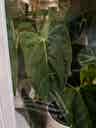
Anthurium papillilami…

Blue Moon Wisteria
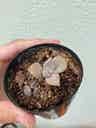
Graptopetalum 'Marqui…

Croton Nervia

Variegated Arrowhead …

Euphorbia

Black Monkey Thorn Tr…

Fernleaf Lavendar

Eden Climbing Rose
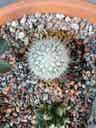
Thelocactus macdowell…
