
Cynanchum dombeyanum
Taxonomy

Cynanchum dombeyanum
Cynanchum
Apocynaceae
Gentianales

How to care for Cynanchum dombeyanum
How often to water your Cynanchum dombeyanum

every 9
Cynanchum dombeyanum needs 0.5 cups of water every 9 when it doesn’t get direct sunlight and is potted in a 5" pot.
Use our water calculator to personalize watering recommendations to your environment or download Greg for more advanced recommendations for all of your plants.
Water 0.5 cups every
9
Finding light for Cynanchum dombeyanum in your home

a window
Cynanchum dombeyanum love being close to bright, sunny windows 😎.
Place it less than 1ft from a south-facing window to maximize the potential for growth.
Cynanchum dombeyanum does not tolerate low-light 🚫.
Select your region to see how the current weather in your area affects the placement of Cynanchum dombeyanum in your home 🏡.
How to fertilize Cynanchum dombeyanum

Most potting soils come with ample nutrients which plants use to produce new growth.
By the time your plant has depleted the nutrients in its soil it’s likely grown enough to need a larger pot anyway.
To replenish this plant's nutrients, repot your Cynanchum dombeyanum after it doubles in size or once a year—whichever comes first.
-
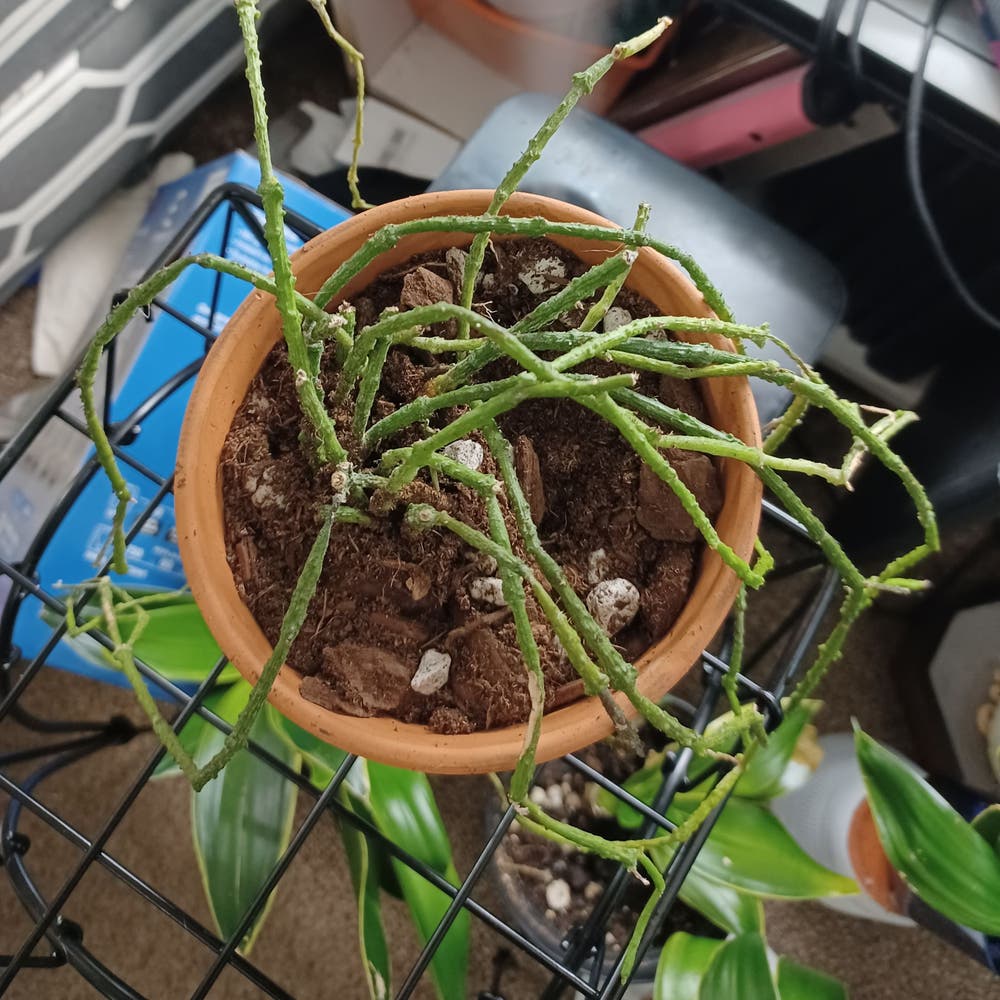
Learn from me before buying a plant that needs to dry out and not stay to wet and not changing the soil while it was still summer. I hope this helps her. I put her in a terracotta pot and I'll wait a day or two to water. I checked the soil and it was so soggy and it stayed this way for a while so hopefully my soil mixture helps her. I plan on painting a simple design on her pot too. #bundleofsticks #terracotta #weirdplants #getbetter #getbetterplant
-
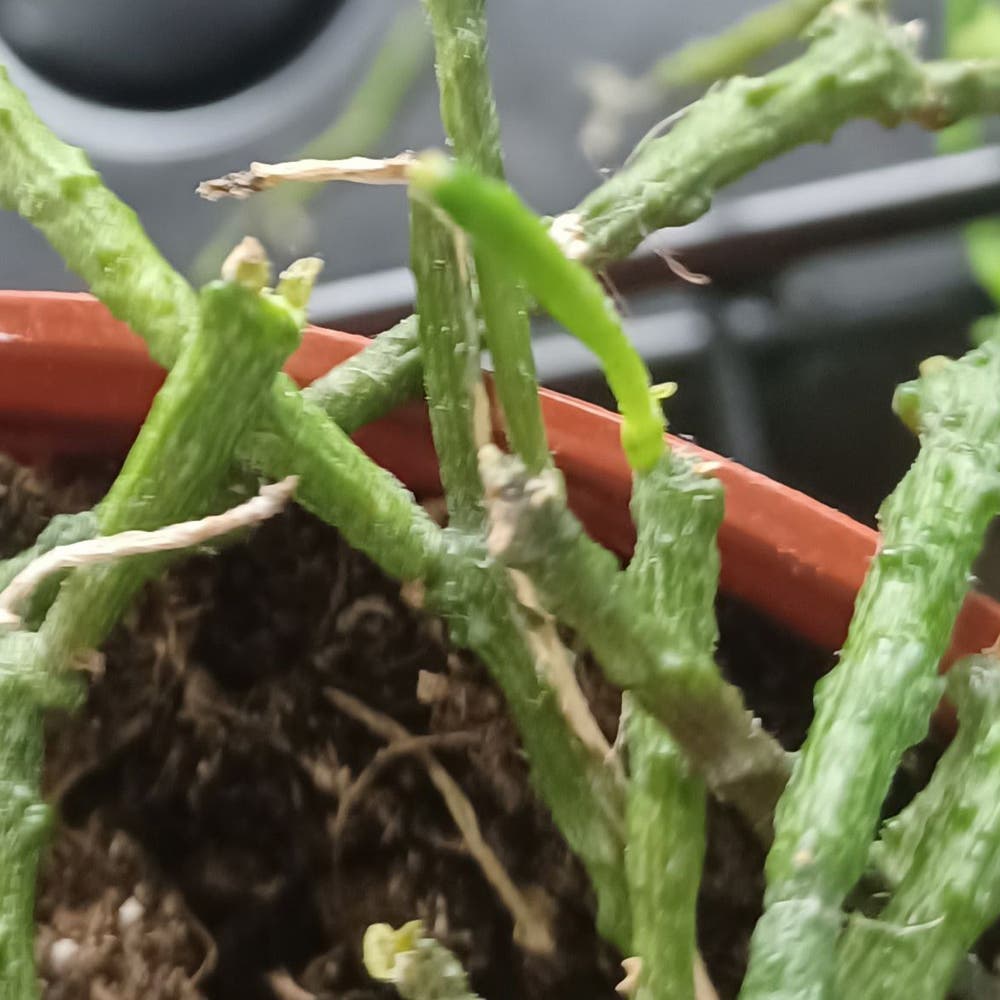
#freshleaffriday #bundleofsticks #newgrowth I didn't think she would make it but she seems to be coming back now
-
My bundle of sticks is dying back and I don't know why My bundle of sticks has died back heavily and I don't know why the stems just dry up and break off does anyone know what I should do?
-
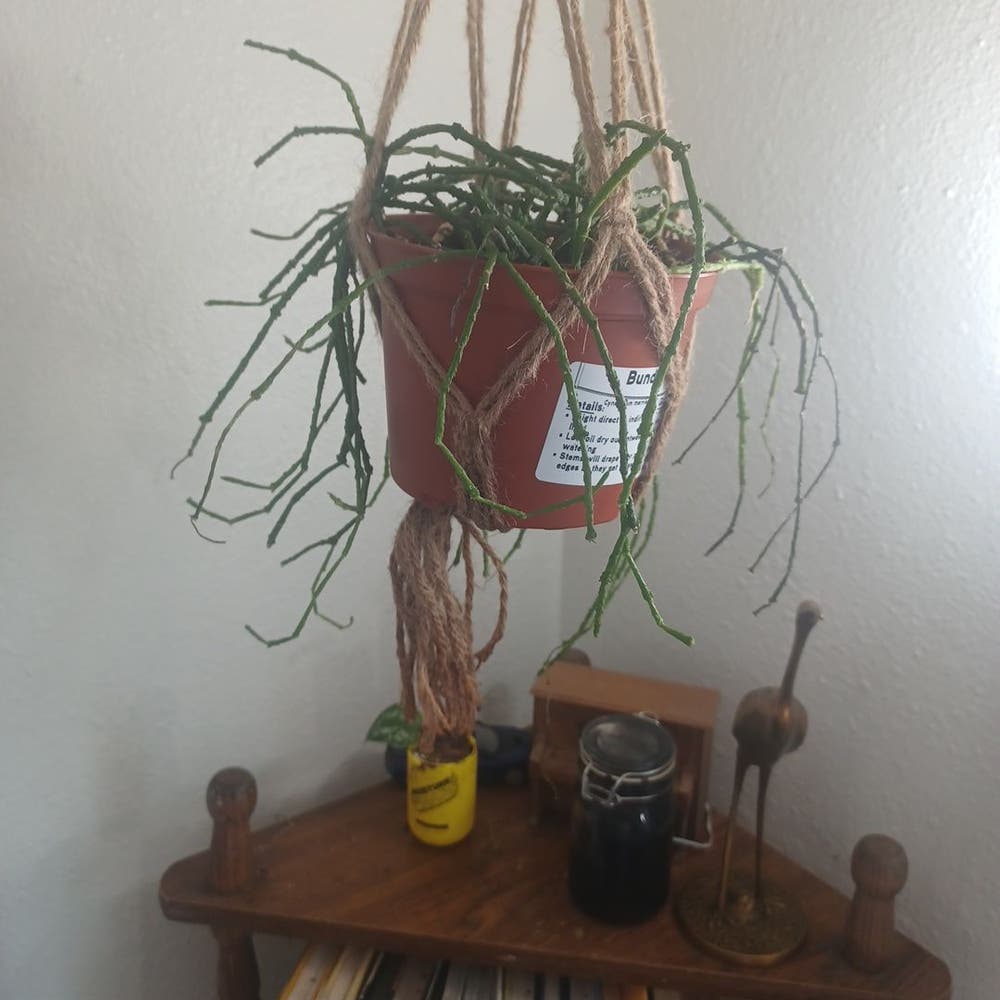
My new baby.😊 #HappyPlants #PlantsMakePeopleHappy #PlantAddict #BundleOfSticks
Care Summary for Cynanchum dombeyanum
Cynanchum dombeyanum
 Greg recommends:
 Water
Water
0.5 cups every 9 days
 Placement
< 1ft from a window
 Nutrients
Repot after 2x growth
Based on the 4” pot your plant is in, and that it doesn’t get direct sunlight.
 Trending in your area













 Similar to Cynanchum dombeyanum

✨ Discover rare plants

Betel

Starfish Snake Plant

Pink Ruby Sedevaria

Hoya kalimantan

Red Mistletoe Cactus

Euphorbia baioensis

Pine Cone Plant

Blue Moon Wisteria

Eden Climbing Rose

Anastasia Weeping Fig

Echeveria Arrow

Lithops

Munstead Lavender

Radiator Plant

Crassula 'Purple Drag…

Electric Fern

Tuber Fleeceflower
