
Pudding Grass
Taxonomy

Cymbopogon schoenanthus
Cymbopogon
Poaceae
Poales

How to care for Pudding Grass
How often to water your Pudding Grass

every 9
Pudding Grass needs 0.5 cups of water every 9 when it doesn’t get direct sunlight and is potted in a 5" pot.
Use our water calculator to personalize watering recommendations to your environment or download Greg for more advanced recommendations for all of your plants.
Water 0.5 cups every
9
Finding light for Pudding Grass in your home

a window
Pudding Grass love being close to bright, sunny windows 😎.
Place it less than 1ft from a south-facing window to maximize the potential for growth.
Pudding Grass does not tolerate low-light 🚫.
Select your region to see how the current weather in your area affects the placement of Pudding Grass in your home 🏡.
How to fertilize Pudding Grass

Most potting soils come with ample nutrients which plants use to produce new growth.
By the time your plant has depleted the nutrients in its soil it’s likely grown enough to need a larger pot anyway.
To replenish this plant's nutrients, repot your Pudding Grass after it doubles in size or once a year—whichever comes first.
-
Lemon grass outdoor direct sun in plastic pot. Advice says watering not frequently. My plant is dry neatly every day. Should I water every day? #LemonGrass
-
My lemon grass is outside in the East Bay of Northern CA. Will it be okay? #LemonGrass
-
I bought this last week and it seems to be drying up to the point the leaves keep turning brown. It's watered twice daily and gets lots of direct sunlight. I'm not sure what I'm doing wrong. Please help 🥺 #LemonGrass
-
Hello there I heard that lemongrass plants are bad for dogs but I can’t get my dog to stop eating them, it’s outside so what do I use to keep them away from it? #LemonGrass
-
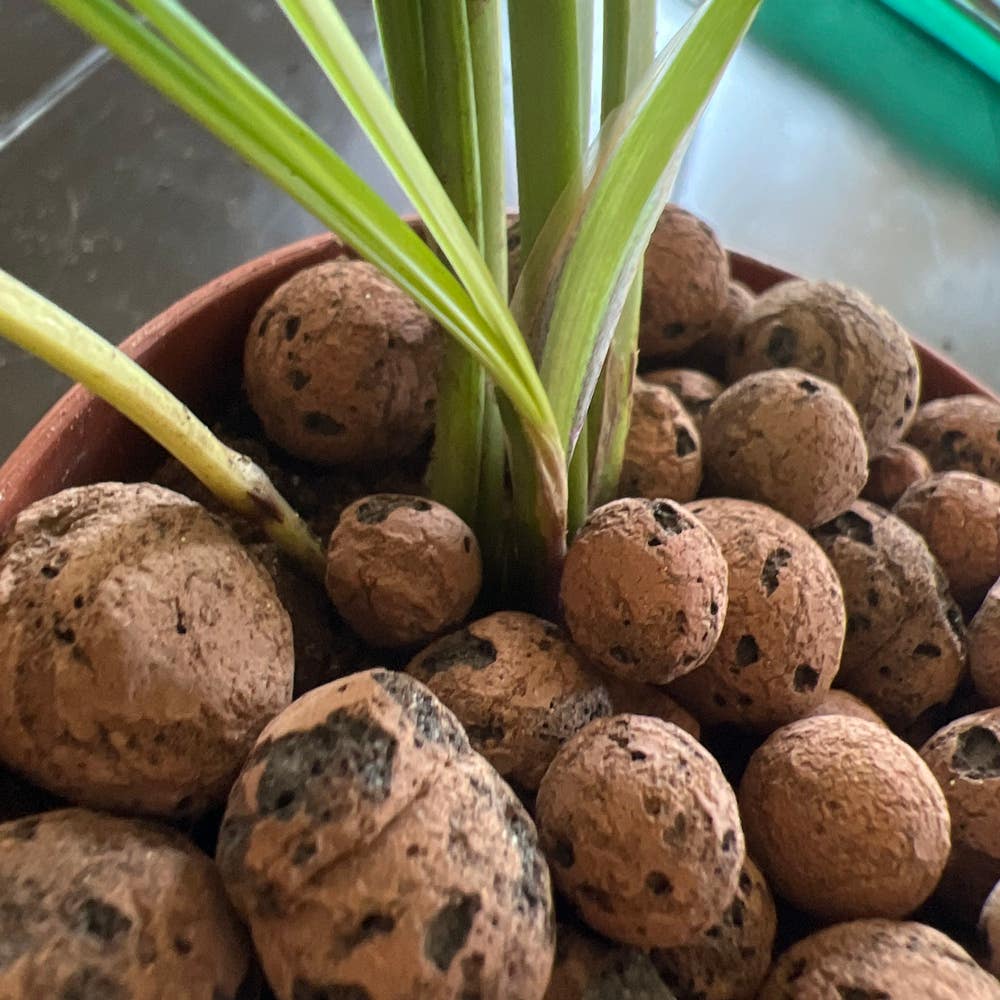
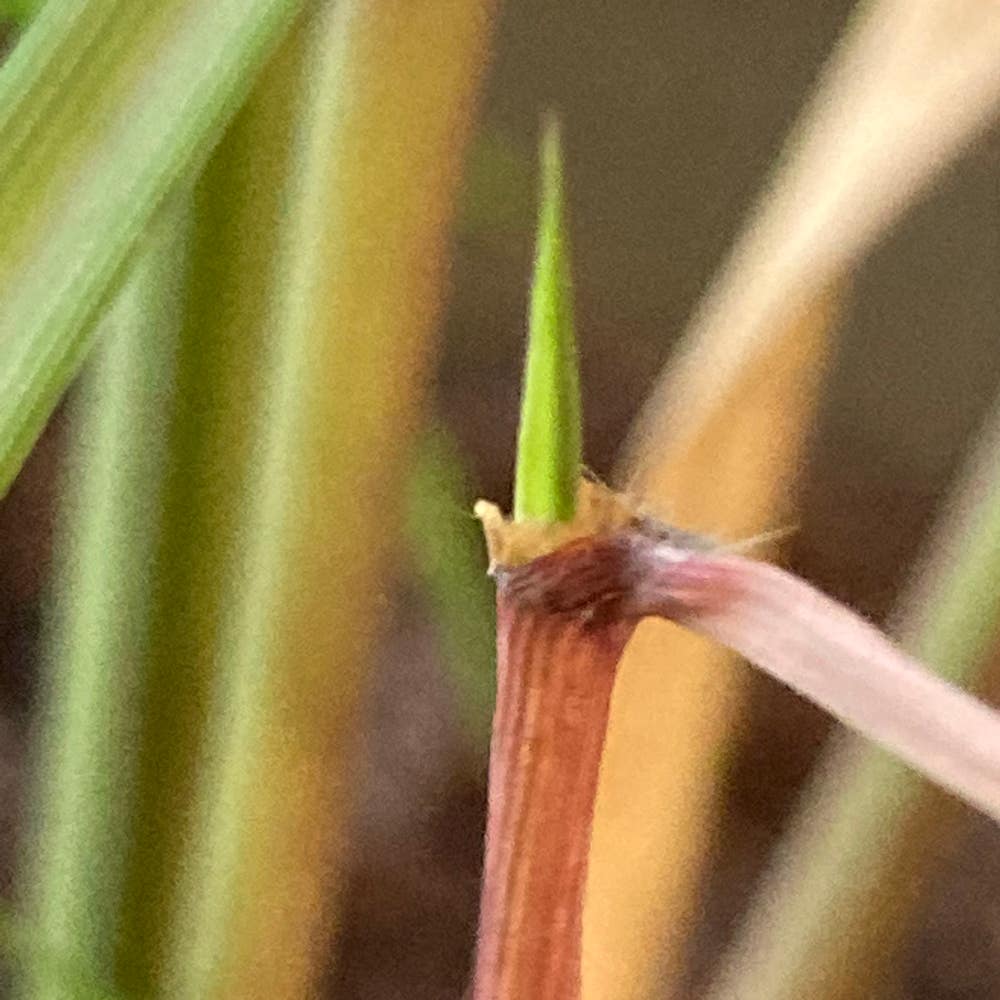
Help me ID this plant!! I found this plant and have no idea what it could be.. maybe some type of tall grass? Greg isn’t sure on the ID and I can’t seem to find anything on Google.. any help appreciated :) #HappyPlants #PlantsMakePeopleHappy #PropagationStation #NewPlantMom #identify #PlantID #help
-
The dirt never seems to dry in any of my plants, what's the deal? #LemonGrass
-
First to #FreshLeafFriday?
Care Summary for Pudding Grass
Pudding Grass
 Greg recommends:
 Water
Water
0.5 cups every 9 days
 Placement
< 1ft from a window
 Nutrients
Repot after 2x growth
Based on the 4” pot your plant is in, and that it doesn’t get direct sunlight.
 Trending in your area













 Similar to Pudding Grass
✨ Discover rare plants

Stomatium acutifolium

Ceropegia simoneae

Chinese Evergreen 'Go…

Chandelier Plant

Munstead Lavender

Pine Cone Plant

Variegated Arrowhead …

Begonia hydrocotylifo…
Stanhopea tigrina

Philodendron eximium
Chinese Evergreen 'Ga…

Tillandsia caerulea A…

Vatricania guentheri

Crassula 'Purple Drag…
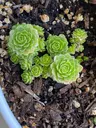
Rosularia platyphylla

Scindapsus pictus 'Si…

Large Leaf Elephant B…
