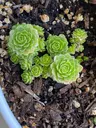
Cleome stevensiana
Taxonomy

Cleome stevensiana
Cleome
Cleomaceae
Brassicales

How to care for Cleome stevensiana
How often to water your Cleome stevensiana

every 9
Cleome stevensiana needs 0.5 cups of water every 9 when it doesn’t get direct sunlight and is potted in a 5" pot.
Use our water calculator to personalize watering recommendations to your environment or download Greg for more advanced recommendations for all of your plants.
Water 0.5 cups every
9
Finding light for Cleome stevensiana in your home

a window
Cleome stevensiana love being close to bright, sunny windows 😎.
Place it less than 1ft from a south-facing window to maximize the potential for growth.
Cleome stevensiana does not tolerate low-light 🚫.
Select your region to see how the current weather in your area affects the placement of Cleome stevensiana in your home 🏡.
How to fertilize Cleome stevensiana

Most potting soils come with ample nutrients which plants use to produce new growth.
By the time your plant has depleted the nutrients in its soil it’s likely grown enough to need a larger pot anyway.
To replenish this plant's nutrients, repot your Cleome stevensiana after it doubles in size or once a year—whichever comes first.
-
Is the cleome hassleriana a wild plant #CleomeHassleriana
-
Are there any Cleome experts that grow from seed and live in or close to Va in here? Just looking for some tips 🙂 this is my 3rd year trying to grow them and I never have much luck besides maybe 3-5 plants growing a flower about 2-3 months after planting 😩 none have gotten the big thick stems I’ve seen on other Cleome. Seeds I bought say “Mixed Cleome - 3-5 Feet Tall - Spider Plant” but they grow so slow! lol it turns to fall before they get get fully mature
Care Summary for Cleome stevensiana
Cleome stevensiana
 Greg recommends:
 Water
Water
0.5 cups every 9 days
 Placement
< 1ft from a window
 Nutrients
Repot after 2x growth
Based on the 4” pot your plant is in, and that it doesn’t get direct sunlight.
 Trending in your area









 Similar to Cleome stevensiana
✨ Discover rare plants

Haworthia emelyae com…

Hoya 'Millie'

Blue Moon Wisteria

Echeveria Esther

Euphorbia baioensis

Hoya kalimantan

Rhipsalis clavata

Begonia hydrocotylifo…

Maroon Pitcher Plant

Dinteranthus microspe…
Linnaei Kunth

Stomatium acutifolium

Hoya pottsii 'Khao Ya…

Royal Flush Split Rock

Black Monkey Thorn Tr…

Anthurium Fingers