
Aristea palustris
Taxonomy

Aristea palustris
Aristea
Iridaceae
Asparagales

How to care for Aristea palustris
How often to water your Aristea palustris

every 9
Aristea palustris needs 0.5 cups of water every 9 when it doesn’t get direct sunlight and is potted in a 5" pot.
Use our water calculator to personalize watering recommendations to your environment or download Greg for more advanced recommendations for all of your plants.
Water 0.5 cups every
9
Finding light for Aristea palustris in your home

a window
Aristea palustris love being close to bright, sunny windows 😎.
Place it less than 1ft from a south-facing window to maximize the potential for growth.
Aristea palustris does not tolerate low-light 🚫.
Select your region to see how the current weather in your area affects the placement of Aristea palustris in your home 🏡.
How to fertilize Aristea palustris

Most potting soils come with ample nutrients which plants use to produce new growth.
By the time your plant has depleted the nutrients in its soil it’s likely grown enough to need a larger pot anyway.
To replenish this plant's nutrients, repot your Aristea palustris after it doubles in size or once a year—whichever comes first.
Care Summary for Aristea palustris
Aristea palustris
 Greg recommends:
 Water
Water
0.5 cups every 9 days
 Placement
< 1ft from a window
 Nutrients
Repot after 2x growth
Based on the 4” pot your plant is in, and that it doesn’t get direct sunlight.
 Trending in your area

Aloe vera
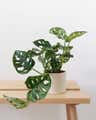
Swiss Cheese Vine

Florist Kalanchoe

Lipstick Echeveria
Lady Finger Cactus
Green Prayer Plant
Phalaenopsis Orchid

Philodendron Brasil

Cathedral Windows

False Christmas Cactus

Rex Begonia

Purple Heart
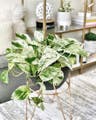
Marble Queen Pothos

Lucky Bamboo
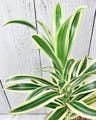
Song of India
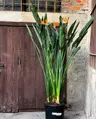
Bird of Paradise

White Bird of Paradise
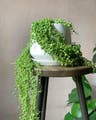
String of Pearls
 Similar to Aristea palustris
✨ Discover rare plants

Hoya kalimantan

Caladium

Anthurium Fingers

Cereus peruvianus 'Pa…

Euphorbia baioensis
Carolina Reaper

Large Leaf Elephant B…

Orange Lipstick Plant
Thelocactus macdowell…

Ceropegia simoneae

Philodendron 'Glorius'
Skeleton Key Pothos
Phalaenopsis schiller…

Sedum 'White Diamond'

Miss All-American Bea…

Blue Moon Wisteria
Anthurium papillilami…
