🌸 Pink Evening Primrose Width: Planning Your Garden
Oenothera speciosa 'Rosea'
By the Greg Editorial Team
Oct 25, 2024•4 min read
This article was created with the help of AI so we can cover more plants for you. May contain errors. See one? Report it here.
- 🌸 Pink Evening Primrose grows 12-24 inches tall and spreads 18-24 inches—perfect for diverse gardens.
- 🌱 Manage aggressive spreading with regular pruning and barriers to maintain garden aesthetics.
- ☀️ Optimal growth requires full sun and well-drained soil—ensure proper conditions for vibrant blooms.
Mature Height and Spread
Typical Dimensions 🌱
Pink Evening Primrose typically reaches a mature height of 12 to 24 inches (30 to 61 cm). Its spread ranges from 18 to 24 inches (46 to 61 cm), making it a versatile choice for various garden layouts.
Growth Habits 🌿
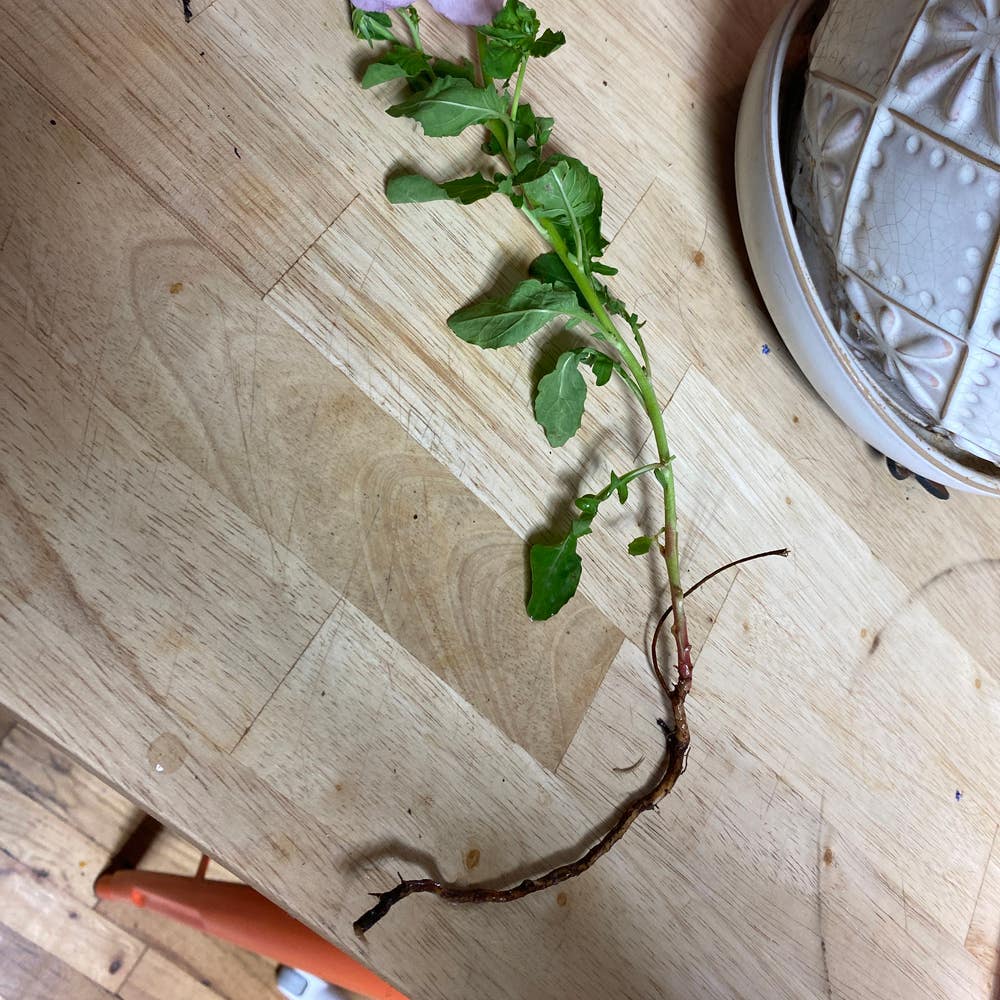
This plant exhibits a clumping growth habit, which can lead to aggressive spreading under optimal conditions. Its fibrous root system not only stabilizes the soil but can also contribute to invasiveness if not managed properly.
Understanding these dimensions and growth habits is crucial for planning your garden effectively. With the right care, Pink Evening Primrose can thrive and add vibrant color to your landscape.
Growth Rate and Time to Maturity
🌱 Growth Rate
The pink evening primrose boasts a moderate growth rate, typically reaching its full size within 2 to 3 years. This steady development allows gardeners to plan for its eventual impact in their landscape.
⏳ Time to Maturity
Year 1: During the establishment phase, the plant focuses on root development, showing minimal height and spread. Patience is key as it lays the groundwork for future growth.
Year 2: Expect significant growth, with the plant reaching about 50% of its mature dimensions. This year is crucial for setting the stage for a vibrant display.
Year 3: Full maturity is achieved, showcasing optimal flowering size. By this time, the pink evening primrose becomes a stunning addition to any garden.
Understanding the growth rate and timeline helps you anticipate how this lovely plant will evolve in your garden. With the right care, it can flourish beautifully, enhancing your outdoor space.
Size Variability Based on Conditions
🌍 Environmental Factors
The size of Pink Evening Primrose can vary significantly based on environmental conditions. Well-drained soils are crucial for optimal growth, allowing the plant to thrive and reach its full potential.
In contrast, poor drainage can stunt growth and diminish flowering size. Sunlight also plays a vital role; full sun exposure of 6 to 8 hours daily enhances both growth and flowering. Conversely, partial shade may lead to leggy growth and reduced dimensions, making it essential to choose the right spot in your garden.
💧 Water Needs
Pink Evening Primrose is notably drought-tolerant, thriving in low-water conditions. However, providing consistent moisture during the establishment phase can promote larger size and healthier blooms.
On the flip side, overwatering poses risks. Excessive moisture can lead to root rot, which negatively impacts overall plant health and size. Balancing water needs is key to ensuring your primrose flourishes beautifully.
Understanding these factors will help you create the ideal environment for your Pink Evening Primrose. With the right conditions, you can enjoy a vibrant display of blooms that enhance your garden's charm.
Next, let’s explore the different varieties of Pink Evening Primrose, including dwarf and giant options, to find the perfect fit for your garden space.
Dwarf and Giant Varieties
Dwarf Varieties 🌸
Dwarf pink evening primrose typically reaches a height of 8 to 12 inches (20 to 30 cm). These compact plants are perfect for smaller garden spaces or container gardening, allowing you to enjoy their beauty without overwhelming your layout.
Giant Varieties 🌳
On the other end of the spectrum, giant varieties can exceed 24 inches (61 cm) in both height and spread. These impressive plants create a dramatic focal point, making them ideal for larger garden settings where they can truly shine.
Dwarf and giant varieties each offer unique benefits, catering to different gardening needs. Whether you're looking to fill a small nook or make a bold statement, there's a pink evening primrose variety for you.
As you consider your options, think about how these sizes will fit into your overall garden design. Next, let’s explore pruning techniques to help you manage their growth effectively.
Pruning Techniques to Control Size
🌱 Timing and Techniques
The best time to prune your pink evening primrose is early spring, just before new growth begins. This timing ensures that your plant can recover quickly and thrive throughout the growing season.
Pinching Back
One effective technique is pinching back the tips of the stems. This encourages bushier growth, making your plants fuller and more visually appealing.
Deadheading
Another important practice is deadheading, which involves removing spent flowers. This not only promotes additional blooming but also helps control the plant's spread, keeping it manageable.
✂️ Size Control Strategies
Regular pruning is essential for managing the aggressive spreading tendencies of pink evening primrose. By staying on top of this, you can maintain a tidy garden space.
Consider using barriers or edging to limit root expansion in your garden beds. This proactive approach can prevent unwanted invasiveness while allowing your primrose to flourish.
With these pruning techniques and strategies, you can enjoy the beauty of pink evening primrose without it overtaking your garden. Next, let’s explore the fascinating size variability based on environmental conditions.
⚠️ Safety First
This content is for general information and may contain errors, omissions, or outdated details. It is not medical, veterinary advice, or an endorsement of therapeutic claims.
Always consult a qualified healthcare professional before using any plant as food, medicine, or supplement.
Never eat any plant (or feed one to pets) without confirming its identity with at least two trusted sources.
If you suspect poisoning, call Poison Control (800) 222-1222, the Pet Poison Helpline (800) 213-6680, or your local emergency service immediately.
Spotted an error? Please report it here.
Transform your garden with vibrant blooms 🌸 from Pink Evening Primrose, and let Greg guide you with tailored care reminders to ensure your plants thrive beautifully!