🌸 Why Pink Evening Primrose Is Not an Annual
Oenothera speciosa 'Rosea'
By the Greg Editorial Team
Oct 25, 2024•4 min read
This article was created with the help of AI so we can cover more plants for you. May contain errors. See one? Report it here.
- 🌼 Pink Evening Primrose is a perennial, thriving for multiple years with unique genetics.
- 🌱 Deep roots access nutrients, supporting long-term growth and resilience in various conditions.
- 🌙 Blooms at night, attracting pollinators and enhancing garden aesthetics with vibrant flowers.
Pink Evening Primrose Characteristics
🌱 Genetic Traits
Pink Evening Primrose boasts a unique chromosome count that enhances its genetic stability. This stability is crucial for its classification as a perennial, allowing it to thrive in various environments.
Additionally, these plants have adapted remarkably to their native habitats. Their genetic makeup equips them to withstand environmental challenges, ensuring their survival over the years.
🍃 Physiological Traits
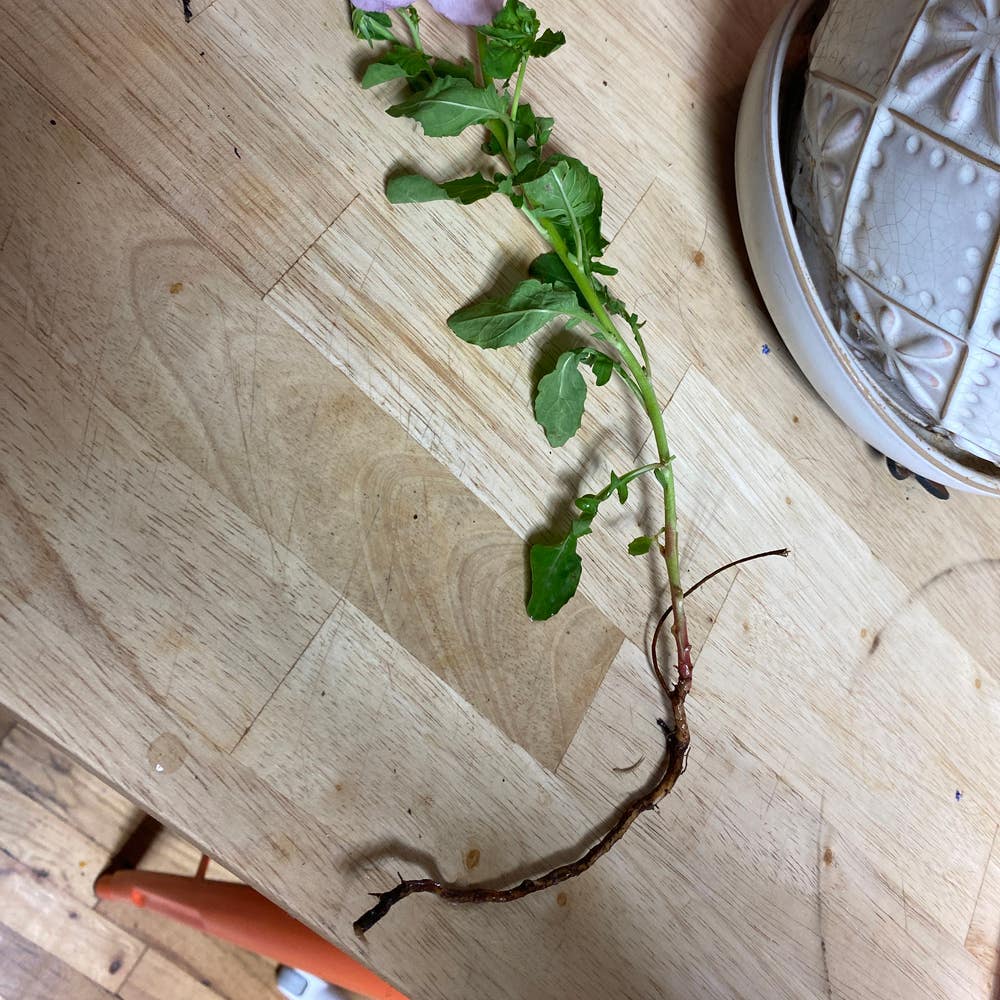
The root system of Pink Evening Primrose is deep and well-established. This robust root structure supports long-term growth and helps the plant access nutrients and water from deeper soil layers.
Moreover, the leaf structure forms a rosette that persists through winter. This adaptation not only protects the plant but also allows it to resume growth quickly when conditions improve.
📅 Long-Term Lifecycle and Growth Patterns
Understanding the growth stages of Pink Evening Primrose is essential. It progresses through germination, vegetative growth, flowering, and dormancy, showcasing its resilience throughout the seasons.
Typically, this plant lives for several years, continuously flowering in suitable conditions. Its ability to thrive year after year makes it a standout in any garden setting.
With these characteristics in mind, it’s clear why Pink Evening Primrose is celebrated as a perennial. Next, we’ll explore how its lifecycle compares to true annuals, shedding light on its unique growth patterns.
Lifecycle Comparison
Lifecycle vs. True Annuals 🌱
Understanding the lifecycle of Pink Evening Primrose reveals why it stands apart from true annuals. Unlike annuals that complete their life cycle in one growing season, Pink Evening Primrose thrives over multiple years, showcasing a distinct growth cycle.
This perennial plant undergoes several stages: germination, vegetative growth, flowering, and dormancy. During dormancy, it conserves energy and resources, allowing it to survive harsh winter conditions while preparing for a robust return in spring.
Flowering and Seed Production Differences 🌼
The flowering patterns of Pink Evening Primrose are particularly fascinating. It blooms in the evening, which not only adds a unique charm to gardens but also enhances its chances of attracting nocturnal pollinators.
In terms of seed production, this plant excels with its self-seeding capabilities. Unlike annuals that rely solely on fresh seeds each year, Pink Evening Primrose can scatter its seeds, ensuring a continuous presence in the garden without the need for replanting.
This adaptability makes it a resilient choice for gardeners looking to cultivate a vibrant, low-maintenance landscape. As we explore regional variations and misconceptions next, we'll uncover how environmental factors can influence this remarkable plant's growth.
Regional Variations and Misconceptions
🌍 Conditions Leading to Misclassification
Pink Evening Primrose often faces misclassification due to environmental stressors. Drought, poor soil conditions, and extreme temperatures can hinder its growth, leading some to mistakenly label it as an annual.
This misunderstanding is particularly prevalent in non-native regions. Gardeners may not recognize its perennial nature when it struggles to thrive outside its ideal habitat.
🌱 Environmental Factors Affecting Growth
Soil drainage and sunlight are crucial for the health of Pink Evening Primrose. It thrives in well-drained soils and full sun, which are essential for its growth and flowering.
Climate also plays a significant role in its lifecycle. Variations in temperature and precipitation can directly impact its blooming patterns and overall vitality, further complicating its classification.
Understanding these factors can help gardeners appreciate the true nature of Pink Evening Primrose. By providing the right conditions, you can ensure this beautiful plant flourishes in your garden.
As we explore its lifecycle and growth patterns next, you'll see how these elements contribute to its unique characteristics.
Garden Design and Management
Benefits in Perennial Gardens 🌼
Pink Evening Primrose brings a vibrant splash of color to any garden. Its showy flowers and unique evening blooming patterns not only enhance visual appeal but also create a captivating atmosphere.
Additionally, this plant plays a crucial role in supporting local ecosystems. By attracting pollinators like bees and butterflies, it fosters biodiversity, making your garden a haven for wildlife.
Planting Strategies 🌱
For optimal growth, Pink Evening Primrose thrives in full sun and well-drained soils. Choosing the right location ensures that the plant receives adequate light and moisture, promoting robust health.
When planting, consider spacing to allow for air circulation and growth. Companion planting with other perennials can enhance the garden's aesthetic and ecological benefits.
Management Tips 🛠️
To keep your Pink Evening Primrose flourishing, establish a simple watering and fertilization schedule. Regular, moderate watering will help maintain soil moisture without waterlogging.
Pruning and deadheading are essential for encouraging continuous blooming. These techniques, while moderately challenging, can significantly enhance the plant's appearance.
Lastly, be proactive about pest and disease management. Understanding common issues specific to perennials will help you maintain a healthy garden environment.
With these strategies, your Pink Evening Primrose will not only thrive but also become a standout feature in your garden. Next, let's explore the lifecycle comparison between Pink Evening Primrose and true annuals.
⚠️ Safety First
This content is for general information and may contain errors, omissions, or outdated details. It is not medical, veterinary advice, or an endorsement of therapeutic claims.
Always consult a qualified healthcare professional before using any plant as food, medicine, or supplement.
Never eat any plant (or feed one to pets) without confirming its identity with at least two trusted sources.
If you suspect poisoning, call Poison Control (800) 222-1222, the Pet Poison Helpline (800) 213-6680, or your local emergency service immediately.
Spotted an error? Please report it here.
Unlock the perennial magic of Pink Evening Primrose 🌸 with Greg's tailored watering and care reminders, ensuring your garden flourishes beautifully year after year!