🌸 How Long a Pink Evening Primrose Lives
Oenothera speciosa 'Rosea'
By the Greg Editorial Team
Oct 25, 2024•5 min read
This article was created with the help of AI so we can cover more plants for you. May contain errors. See one? Report it here.
- 🌱 Pink Evening Primrose seeds germinate in 7-14 days under optimal conditions.
- 🌼 Flowers bloom nightly for 2-3 months, shifting from yellow to soft pink.
- ⏳ Average lifespan is 2-3 years, thriving longer with proper care.
Germination Stage
🌱 Duration of Germination
Germination of Pink Evening Primrose seeds typically takes about 7 to 14 days under optimal conditions. This timeframe can vary based on environmental factors, so patience is key.
🌞 Conditions for Successful Germination
To ensure successful germination, several conditions must be met:
🌡️ Soil Temperature
Aim for a soil temperature between 65°F to 75°F (18°C to 24°C). This range is crucial for activating the seeds.
🏖️ Soil Type
Use well-draining sandy or loamy soil. This type of soil prevents waterlogging, which can hinder germination.
💧 Moisture Levels
Maintain consistent moisture without overwatering. Too much water can drown the seeds, while too little can dry them out.
💡 Light Requirements
Light exposure can significantly enhance germination rates. Providing adequate light can help kickstart the growth process.
By meeting these conditions, you set the stage for healthy seedling development. Next, we’ll explore the seedling stage and what to expect as your Pink Evening Primrose begins to grow.
Seedling Stage
Length of the Seedling Stage 🌱
The seedling stage of the pink evening primrose lasts approximately 4-6 weeks. During this time, the plant transitions from germination to developing true leaves.
Key Characteristics of Seedlings 🌿
Initially, seedlings showcase small cotyledon leaves, which are the first leaves to emerge. As they grow, true leaves begin to develop, marking a significant step in their growth journey.
Height and Root Development 📏
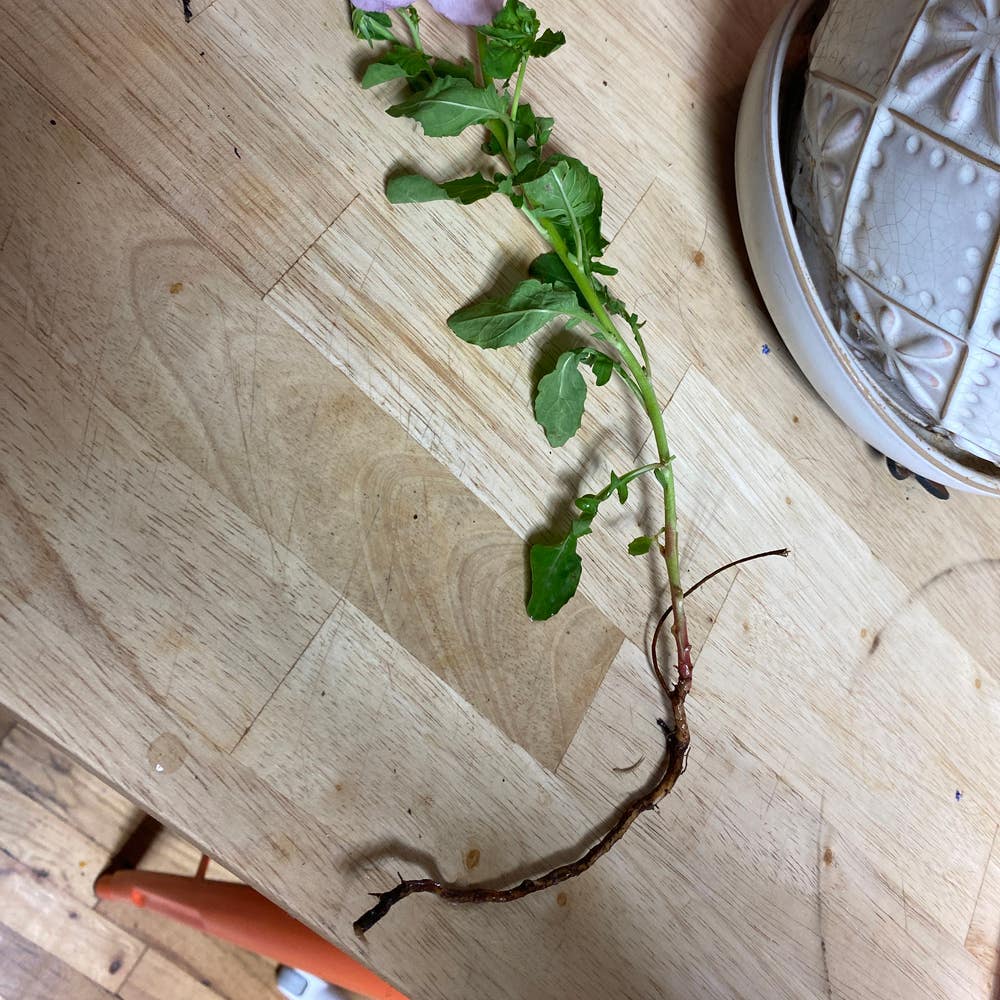
At this stage, seedlings typically reach a height of 2-4 inches. They also establish a robust taproot system, which is crucial for nutrient absorption and overall health.
This early growth phase sets the foundation for the plant's future development. As the seedlings mature, they prepare for the next stages of growth, leading to a vibrant flowering period.
Vegetative Growth
Duration of Vegetative Growth 🌱
The vegetative growth stage of the Pink Evening Primrose lasts between 6 to 12 weeks. This duration can vary based on environmental conditions like light, temperature, and moisture.
Changes in Plant Structure During This Stage 🌿
During this stage, the plant experiences significant height increase, reaching up to 1-2 feet tall.
Leaf Development 🍃
You'll notice broad, lanceolate leaves forming in a rosette pattern, which is essential for maximizing sunlight absorption.
Stem Thickening 🌳
As the plant matures, its stems thicken, becoming more robust to support the upcoming flowering phase. This structural change is crucial for the plant's overall stability and health.
Understanding these changes in the vegetative stage sets the stage for appreciating the beauty and complexity of the flowering phase that follows.
Flowering Stage
Timeframe for Flowering 🌼
The flowering period of Pink Evening Primrose kicks off about 2-3 months after germination. This vibrant display typically occurs in late spring to early summer, marking a delightful transition in the plant's life cycle.
Description of Flower Characteristics 🌸
These flowers are a sight to behold, showcasing large, showy blooms that shift from a sunny yellow to a soft pink.
Blooming Behavior
What’s fascinating is their blooming behavior; the flowers open in the evening, creating a magical atmosphere that attracts nocturnal pollinators like moths and bees.
Lifespan of Flowers
Each flower has a brief lifespan, lasting just one night, but don’t worry—new blooms open nightly, ensuring a continuous spectacle throughout the flowering season.
As you can see, the flowering stage is not just about beauty; it plays a crucial role in the plant's reproductive cycle. Next, we’ll explore the seed production phase, where the magic of pollination and seed maturation unfolds.
Seed Production
Duration of Seed Production 🌱
The seed production phase lasts about 4-6 weeks after flowering. This is when the seeds mature and prepare for dispersal.
Overview of the Reproductive Cycle 🐝
Pollination is crucial during this stage, primarily carried out by moths and bees that are active in the evening. Each flower can produce numerous seeds, and the plant has a remarkable ability to self-seed, ensuring its survival.
Factors Affecting Seed Production 🌍
Several factors influence seed production.
- Environmental Conditions: Soil quality and moisture levels play a significant role, as does the availability of pollinators.
- Plant Health: Nutrient availability and pest resistance are vital for successful seed maturation.
Understanding these elements can help you cultivate healthier plants and enhance seed production.
As we explore the overall lifespan of the Pink Evening Primrose, we’ll see how these stages contribute to its longevity and resilience.
Overall Lifespan
Average Lifespan of Pink Evening Primrose 🌸
The pink evening primrose typically lives for about 2-3 years. Under optimal conditions, however, it can thrive even longer, showcasing its resilience.
Notable Changes Throughout the Plant's Life 🌱
In its early stages, the growth rate is rapid, allowing the plant to establish itself quickly. As it matures, this growth slows, reflecting its transition into a more stable phase.
Seasonal Changes ❄️
During winter, the plant enters a state of dormancy, conserving energy for the warmer months. With the arrival of spring, it bursts back to life, ready to flourish once more.
Adaptation to Environment 🌍
One of the pink evening primrose's remarkable traits is its ability to thrive in poor soil conditions. Its deep taproot system allows it to access nutrients and moisture, making it a hardy choice for various landscapes.
This adaptability not only enhances its lifespan but also contributes to its charm in gardens and wild areas alike. As we explore the next stages of its life cycle, we’ll delve into the fascinating processes of seed production.
⚠️ Safety First
This content is for general information and may contain errors, omissions, or outdated details. It is not medical, veterinary advice, or an endorsement of therapeutic claims.
Always consult a qualified healthcare professional before using any plant as food, medicine, or supplement.
Never eat any plant (or feed one to pets) without confirming its identity with at least two trusted sources.
If you suspect poisoning, call Poison Control (800) 222-1222, the Pet Poison Helpline (800) 213-6680, or your local emergency service immediately.
Spotted an error? Please report it here.
Cultivate your Pink Evening Primrose with confidence 🌱 by using Greg's tailored care tips to create the perfect conditions for vibrant blooms and healthy growth!