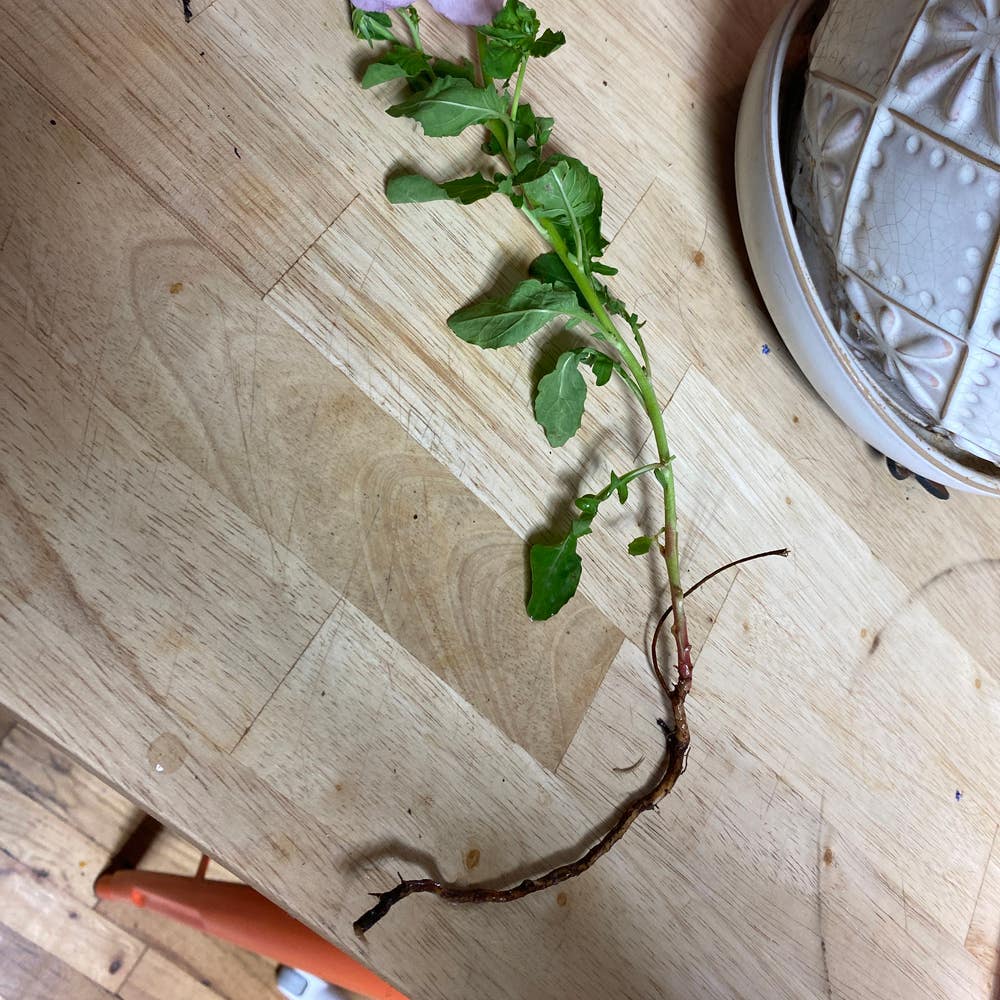
🌸 How to Fix Black Spots on Your Pink Evening Primrose
Oenothera speciosa 'Rosea'
By the Greg Editorial Team
Oct 25, 2024•6 min read
This article was created with the help of AI so we can cover more plants for you. May contain errors. See one? Report it here.
- 🌱 Inspect leaves regularly for black spots to catch issues early and prevent spread.
- 💧 Ensure well-drained soil and moderate watering to avoid overwatering and black spots.
- ☀️ Provide 6-8 hours of sunlight daily to maintain Pink Evening Primrose health.
Diagnosing the Problem
🕵️♀️ How to Inspect Leaves for Black Spots
Inspecting your Pink Evening Primrose for black spots is crucial for early detection. Start by examining both the upper and lower surfaces of the leaves.
Next, look for patterns in the distribution of the spots. Are they clustered or scattered? Finally, check for any accompanying symptoms like wilting or pest presence.
For a thorough inspection, a magnifying glass can help you see details more clearly. Keep clean scissors handy in case you need to sample any affected leaves.
🌧️ Assessing Environmental Factors Contributing to Black Spots
Soil moisture plays a significant role in the health of your plants. Ensure your soil is well-drained to prevent overwatering, which can lead to black spots.
Aim for consistent moisture levels; Pink Evening Primrose thrives with moderate watering.
Sunlight is equally important. These plants need full sun for 6-8 hours daily. Insufficient sunlight can weaken them, making them more susceptible to diseases.
🐜 Common Pests Associated with Black Spots
Aphids are a common culprit when it comes to black spots. These small, green or black insects can cause significant damage, leading to leaf curling and a sticky residue.
Another pest to watch for is the spider mite. These tiny, web-spinning pests create fine webbing and can leave your leaves looking stippled.
Identifying these pests early can help you take action before they cause further harm.
Treatment Options
🌱 Organic Treatments for Black Spots
When it comes to treating black spots on your Pink Evening Primrose, organic solutions are a fantastic choice.
Neem Oil
Neem oil is a powerful natural remedy. To use it, mix two tablespoons of neem oil with a gallon of water and spray it on the affected areas every two weeks.
Baking Soda Solution
Another effective option is a baking soda solution. Combine one tablespoon of baking soda with a gallon of water and a few drops of dish soap. Spray this mixture on the leaves weekly to help combat fungal issues.
Organic treatments are not only effective but also environmentally friendly. They pose minimal risk to beneficial insects like pollinators, making them a safe choice for your garden.
⚗️ Chemical Treatments and Fungicides
If organic methods don't yield results, consider chemical treatments.
Types of Fungicides
There are several fungicides suitable for Evening Primrose, including those containing chlorothalonil and copper-based compounds. These can effectively target fungal infections.
Application Guidelines
Always follow the application guidelines on the product label. This ensures you use the right amount and frequency for optimal results.
Safety precautions are crucial when using chemicals. Wear gloves and a mask to protect yourself, and avoid applying on windy days to prevent drift.
📝 Step-by-Step Guide to Treating Infected Plants
Treating infected plants requires a systematic approach. Follow these steps for the best results:
- Isolate infected plants to prevent the spread of disease.
- Remove severely affected leaves to minimize further damage.
- Apply your chosen treatment, whether organic or chemical.
- Monitor the plant for signs of recovery over the next few weeks.
- Adjust care routines based on what you observe, ensuring the plant receives the right conditions to thrive.
By following these treatment options, you can effectively manage black spots and keep your Pink Evening Primrose healthy. Next, let's explore prevention strategies to ensure these issues don't arise in the first place.
Prevention Strategies
🌊 Best Practices for Watering and Soil Management
Proper watering is crucial for the health of your Pink Evening Primrose. Opt for deep watering rather than frequent shallow watering to encourage strong root development.
Timing is also key; water early in the morning to minimize evaporation. This practice ensures your plants absorb moisture effectively before the heat of the day sets in.
Soil management plays a vital role in preventing black spots. Ensure your soil is well-draining to avoid waterlogged conditions that can lead to fungal issues.
Consider adding organic amendments like compost or perlite to improve drainage. These additions can significantly enhance soil quality and plant health.
☀️ Importance of Sunlight and Air Circulation
Sunlight is essential for the vitality of your Pink Evening Primrose. Ensure your plants receive adequate sunlight by placing them in locations that get full sun for at least 6-8 hours daily.
Be mindful of shade, as it can hinder growth and make plants more susceptible to disease. Proper placement in your garden or pots can make all the difference.
Air circulation is another critical factor. Space your plants appropriately to allow for airflow, which helps prevent fungal growth.
Pruning is also beneficial; it can improve airflow and reduce overcrowding. Regularly trim back any excess foliage to keep your plants healthy and thriving.
🔍 Regular Maintenance and Monitoring
Routine inspections are vital for catching issues early. Check your plants frequently for black spots and pests to ensure they remain healthy.
Keeping a gardening journal can be a game-changer. Documenting your observations helps track plant health and identify patterns over time.
Seasonal maintenance tasks are equally important. Regularly clean up debris around your plants to prevent fungal growth and other issues.
By staying proactive in your care routine, you can significantly reduce the risk of black spots and keep your Pink Evening Primrose flourishing.
With these prevention strategies in place, you’ll be well-equipped to maintain the health of your plants and enjoy their vibrant blooms. Next, let’s explore seasonal considerations that can further enhance your gardening success.
Seasonal Considerations
🌦️ Seasonal Changes Affecting Black Spots
Humidity and temperature fluctuations can significantly impact the health of your Pink Evening Primrose. During humid seasons, fungal growth tends to thrive, leading to those pesky black spots.
Adjusting your care routine based on seasonal weather patterns is crucial. For instance, if you notice increased humidity, consider enhancing air circulation around your plants to mitigate fungal risks.
⏰ Timing of Potential Outbreaks
Certain seasons make your Pink Evening Primrose more susceptible to black spots. Typically, spring and fall are prime times for outbreaks, so keep a close eye on your plants during these periods.
🔄 Adjusting Care Routines Throughout the Year
Seasonal watering adjustments are essential for maintaining plant health. In cooler months, reduce watering frequency to prevent over-saturation, while increasing moisture during hot, dry spells to keep your plants hydrated.
📅 Fertilization Schedule
Timing your nutrient applications is equally important. Fertilize in early spring to give your plants a boost as they wake up from dormancy, and maintain a balanced fertilization routine throughout the growing season to support overall health.
By staying attuned to these seasonal changes and adjusting your care routines, you can effectively combat black spots and keep your Pink Evening Primrose thriving. Next, let’s explore prevention strategies to further safeguard your plants.
⚠️ Safety First
This content is for general information and may contain errors, omissions, or outdated details. It is not medical, veterinary advice, or an endorsement of therapeutic claims.
Always consult a qualified healthcare professional before using any plant as food, medicine, or supplement.
Never eat any plant (or feed one to pets) without confirming its identity with at least two trusted sources.
If you suspect poisoning, call Poison Control (800) 222-1222, the Pet Poison Helpline (800) 213-6680, or your local emergency service immediately.
Spotted an error? Please report it here.
Keep your Pink Evening Primrose spotless 🌼 by using Greg's tailored watering reminders and expert tips to ensure your plants thrive all season long!