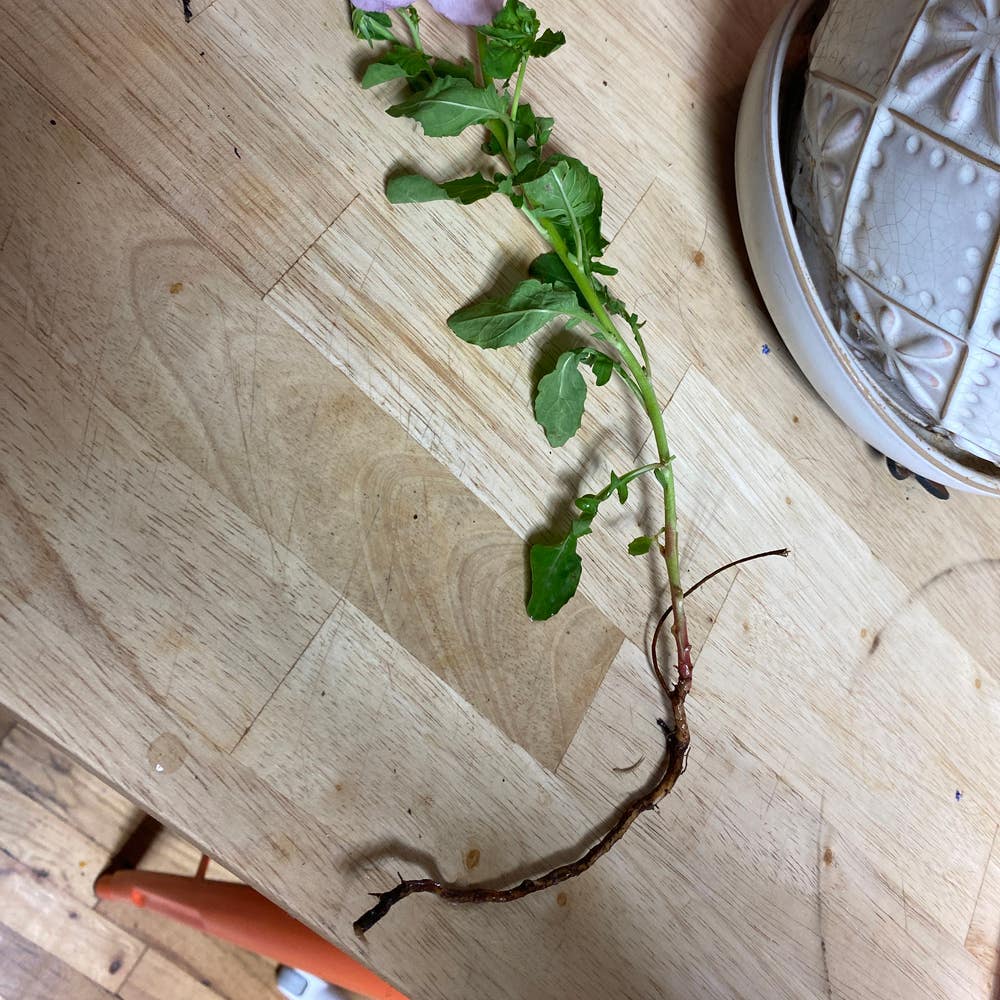
🌸 Why Your Pink Evening Primrose Leaves Are Falling Over
Oenothera speciosa 'Rosea'
By the Greg Editorial Team
Oct 25, 2024•6 min read
This article was created with the help of AI so we can cover more plants for you. May contain errors. See one? Report it here.
- 💧 Overwatering and underwatering cause drooping leaves; check soil moisture regularly.
- 🐛 Inspect for pests like aphids; they can damage leaves and stems.
- 🌱 Nutrient deficiencies lead to yellowing; use NPK fertilizers for healthy growth.
Diagnosing the Problem
🌊 Signs of Overwatering vs. Underwatering
Understanding the signs of overwatering and underwatering is crucial for the health of your Pink Evening Primrose.
Overwatering typically manifests as yellowing leaves and wilting stems. If your plant looks droopy despite wet soil, it might be drowning.
Underwatering, on the other hand, shows up as browning leaves with crispy edges. If your plant feels dry and brittle, it’s time to hydrate.
To accurately assess soil moisture, you can use the finger test—stick your finger into the soil up to the second knuckle. Alternatively, a moisture meter can provide a more precise reading.
🐛 Identifying Pest Damage
Pests can wreak havoc on your Pink Evening Primrose, so regular inspections are essential.
Start by checking the undersides of leaves for any unwanted guests. Many pests, like aphids and spider mites, prefer hiding there.
Look for specific damage patterns: holes in leaves often indicate chewing pests, while sticky residue might suggest sap-sucking insects. Identifying these signs early can save your plant from further damage.
🥦 Recognizing Nutrient Deficiency Symptoms
Nutrient deficiencies can also lead to drooping leaves.
Nitrogen deficiency often results in pale, yellowing leaves, while potassium deficiency can cause browning at the leaf edges. Observing these changes can help you pinpoint the issue.
To confirm nutrient levels, consider conducting a soil test. This will give you a clearer picture of what your plant needs to thrive.
🌤️ Environmental Factors Affecting Growth
Environmental conditions play a significant role in the health of your Pink Evening Primrose.
Assessing light exposure is vital; these plants thrive in full sun but can struggle in too much shade.
Additionally, consider the soil conditions—well-draining soil is essential for preventing root rot. Seasonal changes can also impact leaf health, so be mindful of how temperature and weather fluctuations affect your plant.
By diagnosing these issues early, you can take proactive steps to restore your Pink Evening Primrose to its vibrant self. Next, we’ll explore preventive measures to keep your plant healthy and thriving.
Preventive Measures
Proper Watering Techniques 🌊
Watering your Pink Evening Primrose correctly is crucial for its health. Aim to water based on soil moisture; check the top inch of soil before adding more water.
To avoid overwatering, always use pots with drainage holes. This simple step can prevent root rot and keep your plant thriving.
Soil Selection and Amendments 🏺
Choosing the right soil is essential for your plant's growth. Pink Evening Primrose thrives in well-draining sandy or loamy soil.
If your soil lacks drainage, consider adding amendments like perlite or coarse sand. These materials improve aeration and prevent waterlogging.
Fertilization Schedule 📅
A balanced fertilization schedule can make a significant difference. Use NPK fertilizers during the growing season to provide essential nutrients.
Always follow label instructions for application rates. This ensures your plant receives the right amount without the risk of over-fertilization.
Pest Management Strategies 🐛
Keeping pests at bay is vital for maintaining healthy foliage. Organic methods, such as neem oil and insecticidal soap, are effective and environmentally friendly.
If pests persist, chemical options are available. Apply them carefully, following the instructions to minimize harm to your plant and the surrounding ecosystem.
By implementing these preventive measures, you can create a nurturing environment for your Pink Evening Primrose. This foundation will help your plant flourish and reduce the likelihood of future issues.
Treatment Solutions
🌊 Adjusting Watering Practices
Correcting overwatering is essential for the health of your Pink Evening Primrose. Start by allowing the soil to dry out completely before rewatering, ensuring that excess moisture drains away.
For underwatering, implement gradual rehydration techniques. This means slowly introducing water back into the soil to avoid shocking the plant.
🌱 Fertilizing for Recovery
To help your plant bounce back, consider using high-nitrogen fertilizers. These are particularly effective during the recovery phase.
Apply fertilizers according to the label instructions, timing applications during the growing season for optimal results.
🐞 Pest Control Methods
Organic Options
Introducing beneficial insects, like ladybugs, can significantly reduce pest populations. These natural predators feast on common pests, promoting a healthier garden ecosystem.
You can also create homemade pest deterrents using simple household ingredients. These solutions can effectively ward off unwanted insects without harming your plants.
Chemical Options
If pests persist, safe application of pesticides may be necessary. Always follow the manufacturer's guidelines for effective and responsible use.
Timing is crucial; apply chemicals during cooler parts of the day to minimize harm to beneficial insects and avoid plant stress.
🏗️ Providing Structural Support for Drooping Plants
Supporting drooping stems is vital to prevent further damage. Use stakes or cages to provide the necessary support, helping your plant regain its upright posture.
Timely intervention is key. Addressing drooping early can make a significant difference in your plant's recovery and overall health.
With these treatment solutions, your Pink Evening Primrose can thrive again. Next, let’s explore seasonal considerations to keep your plants healthy year-round.
Seasonal Considerations
🌸 Spring Care Tips for Pink Evening Primrose
Spring is the perfect time to prepare your Pink Evening Primrose for a vibrant growing season. Start by ensuring your soil is well-draining and rich in nutrients, which will set the foundation for healthy growth.
When planting, consider spacing your primrose adequately to allow for air circulation. Early pest inspections are crucial; check the undersides of leaves for any signs of unwanted visitors.
☀️ Summer Heat Management
As temperatures rise, maintaining moisture levels becomes essential. Water your primrose regularly, especially during dry spells, to keep the soil consistently moist but not soggy.
Providing shade during extreme heat can also help prevent stress on the plants. A simple shade cloth or strategically placed garden structures can make a significant difference.
🍂 Fall Preparation for Winter Dormancy
As summer fades, it's time to prepare your Pink Evening Primrose for winter dormancy. Cut back any dead or yellowing foliage to encourage new growth in the spring.
Consider adding soil amendments, like compost, to enrich the soil and protect it from harsh winter conditions. This will ensure your plants are ready to thrive when spring arrives.
❄️ Winter Care to Prevent Leaf Droop
Winter can be tough on your primrose, so protecting them from frost is vital. Use mulch or protective coverings to shield the plants from freezing temperatures.
Additionally, monitor moisture levels during the winter months. Even though growth slows, your plants still need some hydration to prevent leaf droop and maintain health.
With these seasonal considerations, your Pink Evening Primrose can flourish throughout the year. Next, let’s explore effective treatment solutions to address any issues that may arise.
⚠️ Safety First
This content is for general information and may contain errors, omissions, or outdated details. It is not medical, veterinary advice, or an endorsement of therapeutic claims.
Always consult a qualified healthcare professional before using any plant as food, medicine, or supplement.
Never eat any plant (or feed one to pets) without confirming its identity with at least two trusted sources.
If you suspect poisoning, call Poison Control (800) 222-1222, the Pet Poison Helpline (800) 213-6680, or your local emergency service immediately.
Spotted an error? Please report it here.
Keep your Pink Evening Primrose thriving 🌼 by using Greg for tailored care reminders and tips that help you tackle moisture, pests, and nutrients like a pro!