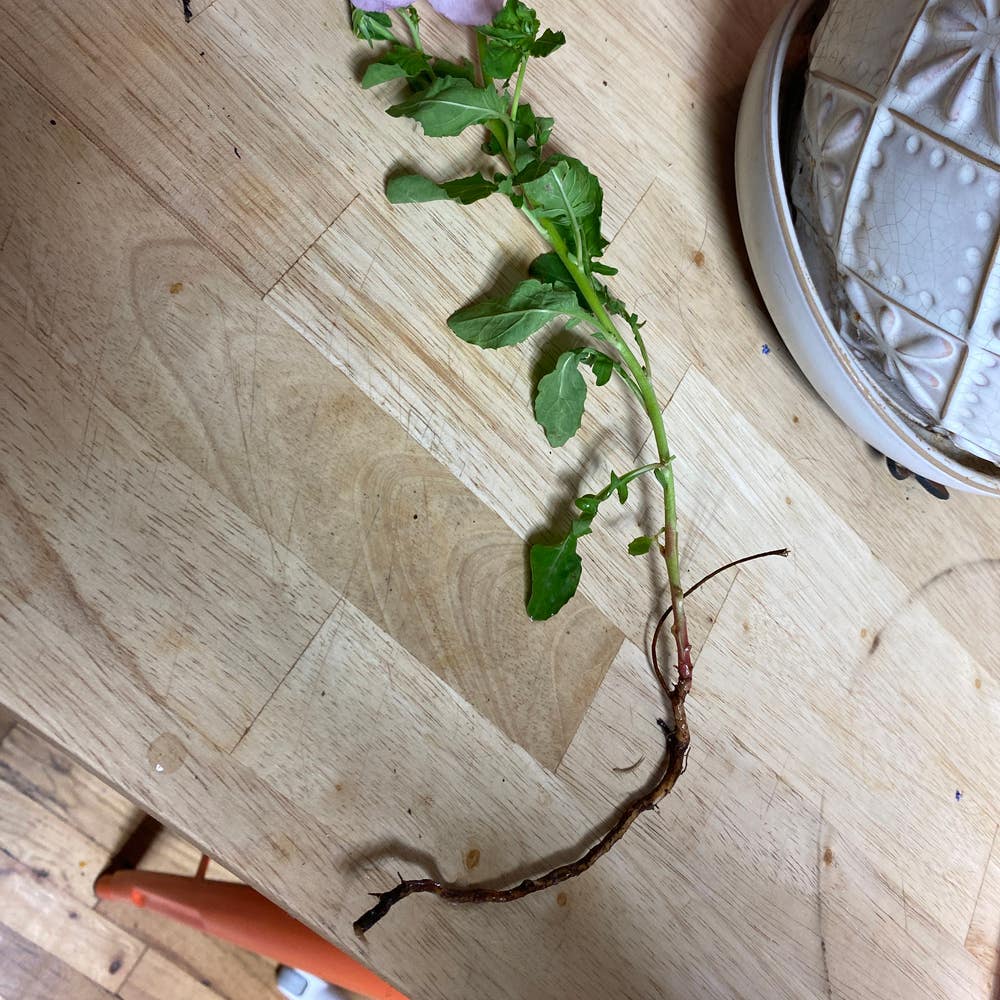
🌸 Pink Evening Primrose Hardiness Zones: 4a-9b
Oenothera speciosa 'Rosea'
By the Greg Editorial Team
Oct 25, 2024•5 min read
This article was created with the help of AI so we can cover more plants for you. May contain errors. See one? Report it here.
- 🌼 Pink Evening Primrose thrives in hardiness zones 4a-9b, tolerating temperatures from -30°F to 100°F.
- 🌞 Full sun and well-drained soil are essential for vibrant blooms and healthy growth.
- ❄️ Timing around frost dates is crucial for optimizing blooming and plant health.
Temperature Tolerance of Pink Evening Primrose
❄️ Cold Tolerance Specifics
Pink Evening Primrose is remarkably resilient, with a minimum temperature tolerance down to -30°F (-34°C) in hardiness zone 4a. This cold tolerance allows it to survive harsh winters, but frost can significantly impact its blooming cycles.
Frost can damage young plants, delaying their growth and flowering. Understanding the timing of the first and last frost is crucial for gardeners aiming to optimize their blooming periods.
☀️ Heat Tolerance Specifics
On the flip side, Pink Evening Primrose thrives in warmer climates, with a maximum temperature tolerance of up to 100°F (38°C) in zone 9b. This heat tolerance enables it to flourish in sunny environments, promoting robust growth and vibrant flowers.
Heat affects not just growth but also the flowering process. Higher temperatures can accelerate blooming, but extreme heat may stress the plant if moisture levels are not adequately managed.
🌨️ Impact of Frost on Growth
Frost poses a significant threat to young Pink Evening Primrose plants, potentially stunting their growth and reducing flowering. Gardeners should be mindful of frost dates to ensure their plants are protected during vulnerable stages.
The timing of the first frost in fall and the last frost in spring can dictate the success of Pink Evening Primrose. Proper planning around these dates can lead to a more fruitful blooming season, enhancing the overall garden aesthetic.
As we explore the ideal growing regions for Pink Evening Primrose, understanding its temperature tolerance will guide you in selecting the best locations for planting.
Ideal Growing Regions for Pink Evening Primrose
🌍 Examples of US States in Suitable Hardiness Zones
Pink Evening Primrose thrives in a variety of states across the U.S. Here are some of the best options within hardiness zones 4a-9b:
- Texas
- Oklahoma
- Kansas
- Nebraska
- Missouri
- Illinois
- Indiana
- Ohio
- Pennsylvania
- New Jersey
- New York
- Parts of California
These states offer the right climate and conditions for this resilient plant to flourish.
🌱 Factors Contributing to Ideal Growing Conditions
For optimal growth, Pink Evening Primrose prefers well-drained soils that resist drought. This plant is particularly suited to areas where moisture levels are balanced, allowing it to thrive without becoming waterlogged.
Sunlight exposure is crucial as well. Pink Evening Primrose loves full sun, which promotes robust growth and vibrant blooms. Regions with consistent sunlight will see the best results.
📊 Comparison of Regions Within the Hardiness Range
Not all areas within the hardiness zones are created equal. Variations in climate, soil type, and local weather patterns can significantly impact growth.
For instance, states like Texas and California may have microclimates that offer warmer temperatures and extended growing seasons. These localized conditions can enhance the plant's growth potential, making them ideal spots for gardeners looking to cultivate Pink Evening Primrose.
Understanding these regional differences can help you choose the best location for planting, ensuring a thriving garden filled with beautiful blooms.
Microclimates and Their Effects
🌱 How Microclimates Can Extend Growing Range
Microclimates can significantly enhance the growth potential of Pink Evening Primrose, allowing it to flourish beyond its typical hardiness zones. These localized climate variations arise from factors such as elevation, proximity to water, and urban heat islands.
Higher elevations can create cooler environments, while areas near water bodies often maintain more stable temperatures. Urban heat islands, on the other hand, can raise temperatures, providing a warmer habitat for these resilient plants.
🌍 Examples of Microclimates That Benefit Pink Evening Primrose
In California, coastal areas often provide ideal conditions for Pink Evening Primrose, where mild temperatures and ample sunlight promote robust growth. Similarly, in Texas, regions near lakes or rivers can create favorable microclimates that support thriving populations of this flower.
Urban areas, like parts of Los Angeles or Houston, can also generate warmer microclimates. These conditions help Pink Evening Primrose not only survive but also bloom vibrantly, showcasing its beauty in unexpected places.
Understanding microclimates is essential for gardeners aiming to cultivate Pink Evening Primrose successfully. By recognizing these unique conditions, you can maximize your gardening efforts and enjoy a flourishing display of this lovely flower.
As we explore the state-level suitability analysis next, we'll delve deeper into which regions are best suited for growing Pink Evening Primrose.
State-Level Suitability Analysis
List of States Within Hardiness Zones 4a-9b 🌱
Pink Evening Primrose thrives in a variety of states across the U.S. Here’s a detailed list of suitable states:
- Texas
- Oklahoma
- Kansas
- Nebraska
- Missouri
- Illinois
- Indiana
- Ohio
- Pennsylvania
- New Jersey
- New York
- Parts of California
These states provide the right balance of temperature and conditions for optimal growth.
States Where Pink Evening Primrose Is Not Suitable 🚫
While Pink Evening Primrose is adaptable, some states fall outside its hardiness range. These include:
- Alaska
- Hawaii
- Parts of the Northeastern U.S. (e.g., Maine, Vermont)
These regions experience conditions that are too extreme for this plant.
Reasons for Unsuitability in Certain States ❄️
Extreme cold temperatures in states like Alaska and parts of the Northeast can be detrimental.
Additionally, excessive moisture or poor drainage in certain areas can hinder growth. Pink Evening Primrose prefers well-drained soils, making it less likely to thrive in overly wet conditions.
Understanding these factors can help gardeners make informed decisions about where to plant this beautiful flower.
As we explore further, let’s dive into the ideal growing conditions that make Pink Evening Primrose flourish in its suitable states.
⚠️ Safety First
This content is for general information and may contain errors, omissions, or outdated details. It is not medical, veterinary advice, or an endorsement of therapeutic claims.
Always consult a qualified healthcare professional before using any plant as food, medicine, or supplement.
Never eat any plant (or feed one to pets) without confirming its identity with at least two trusted sources.
If you suspect poisoning, call Poison Control (800) 222-1222, the Pet Poison Helpline (800) 213-6680, or your local emergency service immediately.
Spotted an error? Please report it here.
Maximize your Pink Evening Primrose blooms 🌸 by using Greg's tailored frost alerts and personalized care tips to thrive in any climate!