🥜 How Big Your Nutsedge Will Get
Cyperus spp.
By the Greg Editorial Team
Oct 31, 2024•5 min read
This article was created with the help of AI so we can cover more plants for you. May contain errors. See one? Report it here.
Protect your garden from the rapid spread of Nutsedge 🌱 with essential tips for effective control and management!
- 🌱 Nutsedge can grow 12 to 36 inches tall, depending on species and conditions.
- 🌞 Optimal growth occurs in full sunlight and consistent moisture; manage accordingly.
- 🚫 Early intervention is crucial; Nutsedge reaches full size in just 6 to 8 weeks.
Mature Height and Spread
Height 🌱
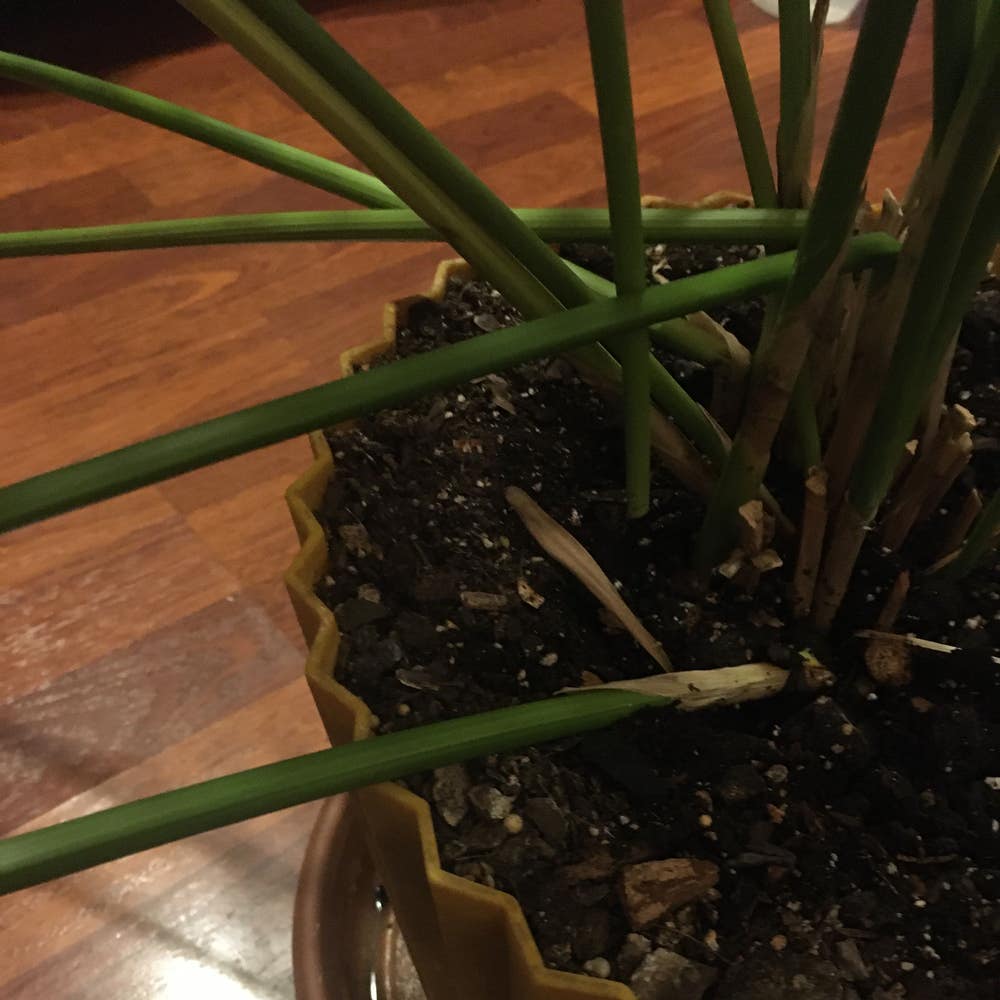
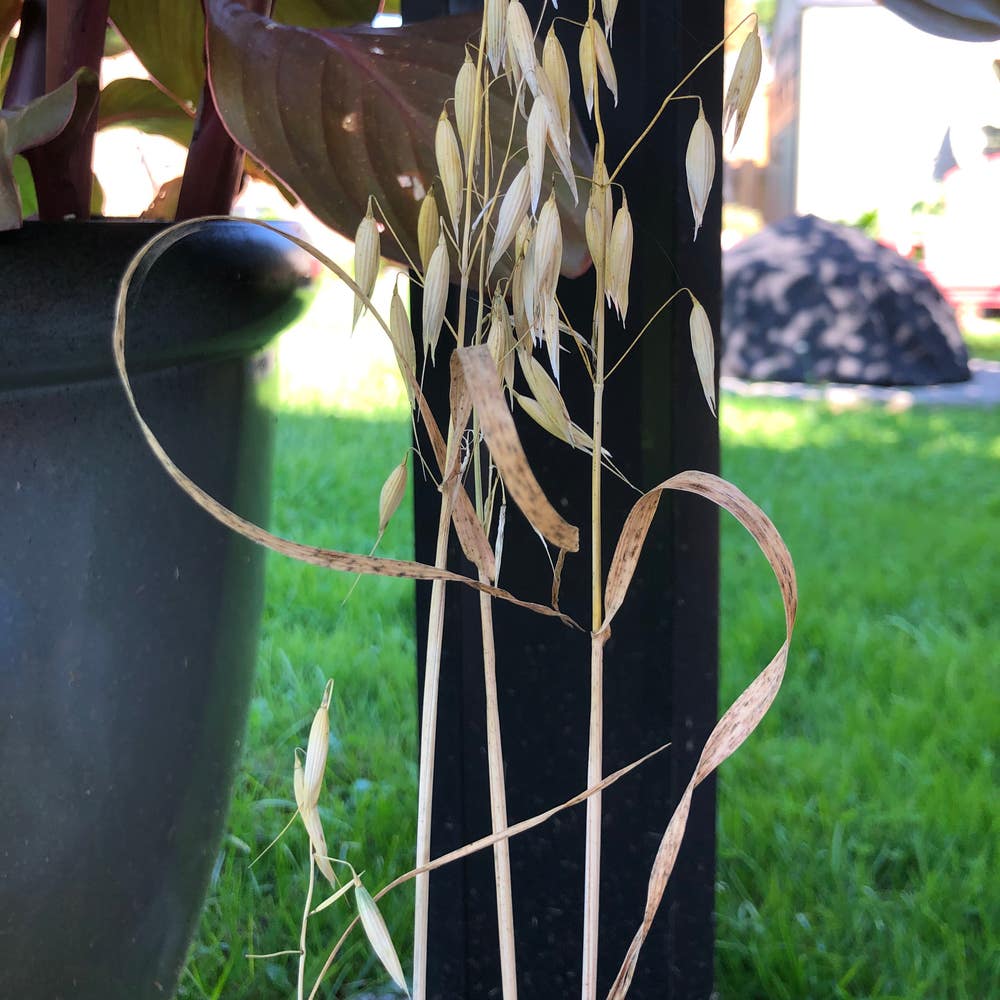
Nutsedge can reach impressive heights, ranging from 12 to 36 inches, depending on the species and environmental conditions.
- Yellow Nutsedge typically grows between 12 to 24 inches, while Purple Nutsedge can tower up to 36 inches, showcasing its robust growth potential.
Spread 🌍
One of the most notable features of Nutsedge is its extensive spread, primarily due to its underground tubers and rhizomes.
- Horizontal spread can easily exceed 24 inches, leading to dense patches that can quickly take over an area.
Factors Influencing Spread 🔍
Several factors play a crucial role in how far Nutsedge can spread:
- Soil Type and Moisture Levels: Well-drained soils may limit growth, while poorly drained soils can promote larger plants.
- Competition with Surrounding Vegetation: In areas with less competition, Nutsedge can thrive and expand more aggressively.
Understanding these characteristics is essential for managing and controlling Nutsedge effectively. With its rapid growth and ability to spread, early intervention can help keep this resilient weed in check.
Next, we will explore the growth rate of Nutsedge and how quickly it can reach its full size.
Growth Rate
Characteristics 🌱
Nutsedge is notorious for its rapid growth, often outpacing neighboring plants. Under optimal conditions, new shoots can sprout within just a week, making it a formidable presence in any garden.
Time to Full Size ⏳
This aggressive weed can reach its full size in as little as 6 to 8 weeks. However, several factors influence this timeline, including environmental conditions like soil quality, water availability, and sunlight exposure, as well as the specific growth habits of different species.
Understanding the growth rate of nutsedge is crucial for effective management. By recognizing how quickly it can establish itself, you can take proactive measures to control its spread before it becomes a larger issue.
Next, we’ll explore the size variability among different nutsedge varieties, which can significantly impact your gardening strategies.
Size Variability
🌳 Giant Variety
The giant variety of nutsedge is known for its impressive height and aggressive growth. Typically, it reaches between 24 to 36 inches, making it a formidable presence in any landscape.
This variety spreads extensively, often leading to dense infestations that can quickly take over an area. Its robust growth habit allows it to outcompete many neighboring plants, making management a challenge.
🐜 Dwarf Variety
In contrast, the dwarf variety of nutsedge is much shorter, usually staying under 12 inches. While it has a less aggressive growth habit, it can still spread and establish itself in various environments.
Despite its smaller stature, the dwarf variety can still pose a threat to gardens and lawns if not managed properly. Its ability to spread, albeit at a slower rate, means it can still create issues for gardeners.
⚖️ Comparison
When comparing the two varieties, the growth rate stands out as a significant difference. The giant variety exhibits rapid and expansive growth, while the dwarf variety grows more slowly and remains more contained.
Environmental adaptability also varies between the two. The giant thrives in wetter conditions, making it well-suited for areas with ample moisture. Conversely, the dwarf variety prefers slightly drier soils, allowing it to establish itself in less favorable conditions.
Understanding these differences is crucial for effective management strategies. By recognizing the unique characteristics of each variety, you can better tailor your approach to control their growth and spread.
As we delve deeper into the environmental influences on nutsedge size, we’ll explore how soil conditions, water availability, sunlight exposure, and temperature can impact these varieties.
Environmental Influences
🌱 Soil Conditions
Soil type plays a crucial role in the growth of nutsedge. Poorly drained soils tend to promote larger growth and extensive spread, allowing these weeds to thrive.
In contrast, well-drained soils can limit their size. Additionally, factors like soil pH and nutrient levels significantly impact how big nutsedge can get.
💧 Water Availability
Moisture levels are directly linked to nutsedge growth. Consistent moisture leads to taller and denser plants, creating a lush appearance.
On the other hand, drought conditions can stunt growth. However, even in dry spells, nutsedge often persists rather than disappearing completely.
☀️ Sunlight Exposure
The amount of sunlight nutsedge receives is another key factor. Full sun encourages maximum growth and height, allowing these weeds to flourish.
In contrast, partial shade may limit their size but does not prevent them from spreading. This adaptability makes nutsedge a formidable opponent in many landscapes.
🌡️ Temperature Effects
Temperature also influences nutsedge growth. The optimal range for growth is between 70°F and 90°F (21°C to 32°C), where these plants can truly thrive.
Extreme temperatures, whether too hot or too cold, can hinder growth rates and overall size. Understanding these environmental influences can help in managing nutsedge effectively.
As we delve deeper into controlling the size of nutsedge, it’s essential to consider these environmental factors for a comprehensive approach.
Controlling Size
🌿 Pruning Techniques
Timing is crucial when it comes to pruning Nutsedge. The best window for effective size control is early spring, just before the plant begins to flower.
To manage its growth, cut the plant back to ground level. This technique significantly reduces both height and spread, helping to keep your garden in check.
⚙️ Other Control Methods
In addition to pruning, consider implementing cultural practices to manage Nutsedge. Regular mowing can prevent seed production, which is essential for controlling its spread.
Mulching is another effective strategy. It suppresses growth by blocking sunlight, making it harder for Nutsedge to thrive.
For those looking for chemical solutions, herbicides specifically targeting Nutsedge can be effective. Just be sure to follow the instructions carefully for the best results.
⏰ Timing for Control
Timing your interventions is key to successful control. Early growth stages in spring are ideal for maximum impact, as the plant is still establishing itself.
If you miss that window, late summer is another critical time. Intervening then can prevent established plants from setting seeds, keeping your garden healthier in the long run.
With these strategies, you can effectively manage the size of Nutsedge and maintain a more balanced garden environment. Next, let’s explore the environmental influences that affect its growth.
⚠️ Safety First
This content is for general information and may contain errors, omissions, or outdated details. It is not medical, veterinary advice, or an endorsement of therapeutic claims.
Always consult a qualified healthcare professional before using any plant as food, medicine, or supplement.
Never eat any plant (or feed one to pets) without confirming its identity with at least two trusted sources.
If you suspect poisoning, call Poison Control (800) 222-1222, the Pet Poison Helpline (800) 213-6680, or your local emergency service immediately.
Spotted an error? Please report it here.
Master Nutsedge control with Greg's tailored tips for effective management, ensuring your garden stays healthy and vibrant! 🌿