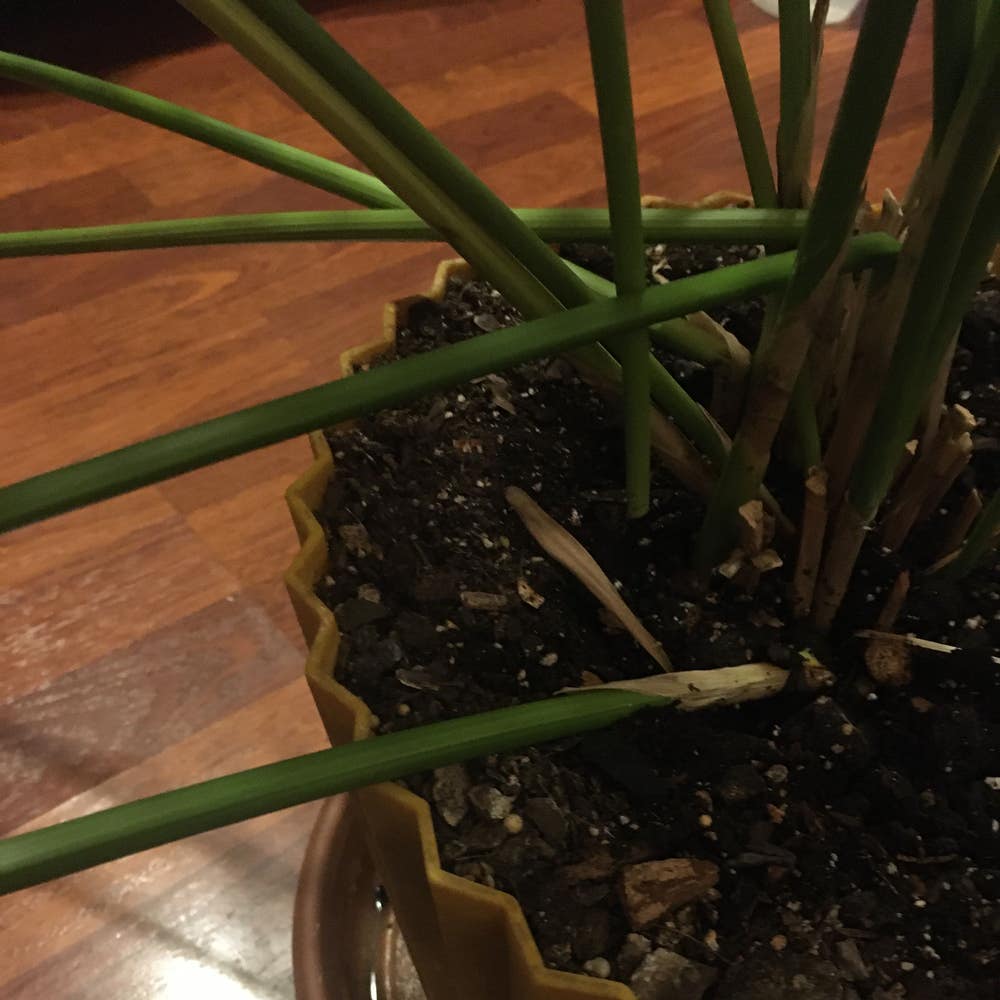
Dealing with Droopy Leaves on Your Nutsedge
Cyperus spp.
By the Greg Editorial Team
Oct 31, 2024•6 min read
This article was created with the help of AI so we can cover more plants for you. May contain errors. See one? Report it here.
Transform your droopy nutsedge into a thriving garden star with essential care tips! 🌱
- 🌞💧 Droopy leaves on nutsedge stem from heat stress, drought, or overwatering.
- 🌱 Regular watering and mulch can prevent droopy leaves and promote healthy growth.
- 🐛 Pest inspections and nutrient checks are essential for maintaining nutsedge health.
Causes of Droopy Leaves
🌍 Environmental Stress Factors
Droopy leaves on your nutsedge can often be traced back to environmental stress.
Heat Stress
During high temperatures, leaves may wilt and droop. To combat this, consider providing shade or applying mulch to help reduce soil temperature.
Drought Conditions
Lack of moisture can also lead to limp, droopy leaves. Establishing a regular watering schedule is essential to maintain adequate soil moisture.
💧 Overwatering and Poor Drainage
While it may seem counterintuitive, overwatering can be just as detrimental as underwatering.
Symptoms of Overwatering
If leaves appear yellow and droopy, often accompanied by root rot, overwatering might be the culprit. Additionally, consistently wet soil is a telltale sign.
Solutions
To improve drainage, aerate the soil or amend it with organic matter. Adjusting your watering frequency will also allow the soil to dry out between waterings, promoting healthier plants.
🥦 Nutrient Deficiencies
Nutrient deficiencies can significantly impact the health of your nutsedge.
Nitrogen Deficiency
If you notice yellowing leaves and droopiness, particularly in older leaves, nitrogen deficiency could be the issue. Applying a nitrogen-rich fertilizer can help restore balance.
Potassium Deficiency
Marginal leaf burn and drooping may indicate a potassium deficiency. Using a balanced fertilizer that includes adequate potassium will support recovery.
🐛 Pest Infestations
Pests can wreak havoc on your plants, leading to droopy leaves.
Root-Feeding Nematodes
These pests can cause stunted growth and droopy leaves due to root damage. Check for root galls or lesions to identify their presence.
Treatment Options
For organic solutions, consider introducing beneficial nematodes or using neem oil. If necessary, chemical options like nematicides can be applied according to label instructions.
Understanding these causes is crucial for effectively addressing droopy leaves on your nutsedge. Next, we’ll explore how to diagnose the problem accurately.
Diagnosing the Problem
🌱 Assessing Soil Moisture Levels
To effectively diagnose droopy leaves on your nutsedge, start by checking the soil moisture. Use a moisture meter for accuracy or simply perform a finger test by inserting your finger into the soil.
The ideal moisture level is when the soil feels moist but not soggy. This balance is crucial for healthy plant growth.
🧪 Evaluating Nutrient Levels in the Soil
Next, evaluate the nutrient levels in your soil through regular testing. It's recommended to test every 1-2 years to keep track of nutrient health.
Look for indicators of deficiencies, particularly low nitrogen or potassium levels, which can lead to droopy leaves. Addressing these deficiencies promptly can revive your plants.
🐛 Identifying Pest Presence
Pests can also contribute to droopy leaves, so a thorough visual inspection is essential. Check both the leaves and roots for any signs of infestation.
Using a magnifying glass can help you spot smaller pests that might otherwise go unnoticed. Early detection is key to effective pest management.
🌤️ Observing Environmental Conditions
Finally, keep an eye on the environmental conditions affecting your nutsedge. Record daily temperatures and humidity levels to understand how they impact your plants.
Adjust your care practices based on these observations. For instance, if temperatures rise, you may need to increase watering to prevent stress on the plants.
By systematically diagnosing these factors, you can effectively address the issues causing droopy leaves and promote healthier growth in your nutsedge.
Treating Droopy Leaves
🌊 Adjusting Watering Practices
Proper watering is crucial for maintaining healthy nutsedge. Here are some effective irrigation techniques to consider:
Proper Irrigation Techniques
- Water deeply and infrequently to encourage deep root growth.
- Aim for 1-1.5 inches of water per week, including rainfall.
- Water early in the morning to reduce evaporation.
These practices help ensure that your nutsedge receives adequate moisture without the risk of overwatering.
🚰 Signs of Overwatering vs. Underwatering
Understanding the signs of overwatering and underwatering can save your plants from distress.
- Overwatering: Look for yellowing leaves and soggy soil. This indicates that your nutsedge is drowning.
- Underwatering: Symptoms include wilting and dry soil. Your plants are signaling for help when they droop.
Recognizing these signs early can help you adjust your care routine effectively.
🌱 Fertilization Strategies
Fertilization plays a vital role in the health of your nutsedge. Here’s how to choose the right fertilizers and apply them effectively.
Recommended Fertilizers for Nutsedge
Using the right fertilizer can make a significant difference. Consider these options:
- A balanced fertilizer with a ratio of 10-10-10 or similar.
- Organic options like compost or well-rotted manure can enrich the soil naturally.
These choices provide essential nutrients that promote robust growth.
⏰ Timing and Application Methods
Timing is everything when it comes to fertilizing your nutsedge.
- Fertilization schedule: Apply in early spring and again in mid-summer for optimal results.
- Application method: Broadcast evenly over the soil and water in thoroughly to ensure nutrients reach the roots.
Following these guidelines will help your nutsedge thrive.
🐛 Pest Management Solutions
Pests can be a significant threat to your nutsedge. Here’s how to manage them effectively.
Organic and Chemical Control Options
You have options when it comes to pest control:
- Organic: Use neem oil, insecticidal soap, or diatomaceous earth for a natural approach.
- Chemical: If necessary, follow label instructions for targeted pesticides to eliminate pests.
Choosing the right method depends on your gardening philosophy and the severity of the infestation.
🛡️ Preventative Measures Against Pests
Prevention is key to keeping your nutsedge healthy. Here are some strategies:
- Regularly inspect plants for early signs of infestation. Catching pests early can save you a lot of trouble.
- Maintain healthy soil and plant conditions to deter pests. Strong plants are less susceptible to attacks.
By staying vigilant, you can protect your nutsedge from potential threats.
In summary, treating droopy leaves involves a combination of proper watering, fertilization, and pest management. With these strategies in place, your nutsedge will be well on its way to recovery. Next, let’s explore how to prevent future issues to keep your plants thriving year-round.
Preventing Future Issues
🌱 Best Practices for Nutsedge Care
Maintaining healthy nutsedge plants is essential for preventing droopy leaves. Regularly amend your soil with organic matter to enhance drainage and boost nutrient content.
Crop rotation is another effective strategy. By changing the types of plants grown in a specific area, you can disrupt pest and weed cycles, promoting a healthier garden ecosystem.
👀 Regular Monitoring of Plant Health
Keeping an eye on your plants is crucial. Schedule bi-weekly checks for droopiness and other symptoms to catch issues early.
Consider keeping a gardening journal. Documenting changes and treatments can help you identify patterns and improve your care strategies over time.
🌦️ Seasonal Care Tips
Adjusting Care Based on Seasonal Changes
As the seasons change, so should your care practices. In spring, increase watering as temperatures rise to support new growth.
Conversely, in fall, reduce watering as growth slows down. This adjustment helps prevent overwatering and keeps your plants healthy.
🌪️ Preparing for Extreme Weather Conditions
Extreme weather can take a toll on your nutsedge. Mulch around your plants to retain soil moisture during droughts, ensuring they have the water they need.
Additionally, provide windbreaks or shade during heat waves. These protective measures can help your plants thrive even in challenging conditions.
By implementing these best practices and seasonal adjustments, you can effectively prevent future issues with droopy leaves on your nutsedge. This proactive approach will lead to healthier plants and a more vibrant garden.
⚠️ Safety First
This content is for general information and may contain errors, omissions, or outdated details. It is not medical, veterinary advice, or an endorsement of therapeutic claims.
Always consult a qualified healthcare professional before using any plant as food, medicine, or supplement.
Never eat any plant (or feed one to pets) without confirming its identity with at least two trusted sources.
If you suspect poisoning, call Poison Control (800) 222-1222, the Pet Poison Helpline (800) 213-6680, or your local emergency service immediately.
Spotted an error? Please report it here.
Revive your droopy nutsedge leaves with smart watering and pest checks 🌱, and let Greg guide you with tailored reminders and moisture insights for thriving plants!