Best Tips for Dealing with Leaves Falling Over on Nutsedge
Cyperus spp.
By the Greg Editorial Team
Oct 31, 2024•6 min read
This article was created with the help of AI so we can cover more plants for you. May contain errors. See one? Report it here.
Prevent your Nutsedge from drooping and ensure a vibrant garden with these essential care tips! 🌿
- 🌧️🌵 Environmental stress like drought or flooding causes Nutsedge leaves to droop.
- 🥬🔍 Nutrient deficiencies in nitrogen and potassium weaken Nutsedge foliage, leading to yellowing.
- 🐛🦠 Pests and diseases can severely impact Nutsedge health; early detection is crucial.
Causes of Leaves Falling Over
🌪️ Environmental Stress Factors
Environmental stress can significantly impact the health of Nutsedge, leading to leaves that droop or fall over. Drought conditions are particularly detrimental, as they reduce soil moisture levels, causing the plant to struggle for hydration.
Conversely, flooding can also wreak havoc. Excessive water saturates the soil, damaging root health and leading to poor nutrient uptake, which ultimately affects the plant's stability.
🥦 Nutrient Deficiencies
Nutrient deficiencies are another common culprit behind falling leaves. A nitrogen deficiency often manifests as yellowing and drooping leaves, signaling that the plant lacks essential nutrients for growth.
Similarly, potassium deficiency weakens the plant's structure, making it more susceptible to collapse. Ensuring a balanced nutrient supply is crucial for maintaining healthy foliage.
🐛 Pest Infestations
Pest infestations can severely impact Nutsedge health. Root-feeding insects, such as grubs and nematodes, can be particularly damaging, as they feed on the roots, leading to nutrient deficiencies and overall plant decline.
The presence of these pests often results in visible symptoms like drooping leaves. Addressing pest issues promptly is essential to prevent further damage.
🦠 Disease Issues
Diseases, particularly fungal infections, can also contribute to leaf droop in Nutsedge. Common fungal diseases can cause leaf discoloration, wilting, and drooping, indicating that the plant is under stress.
Recognizing these symptoms early can help in implementing effective management strategies. Keeping an eye on plant health is vital for maintaining a thriving garden.
Understanding these causes is the first step in addressing the issue of falling leaves. Next, we’ll explore how to diagnose the problem effectively.
Diagnosing the Problem
🌿 Identifying Symptoms of Falling Leaves
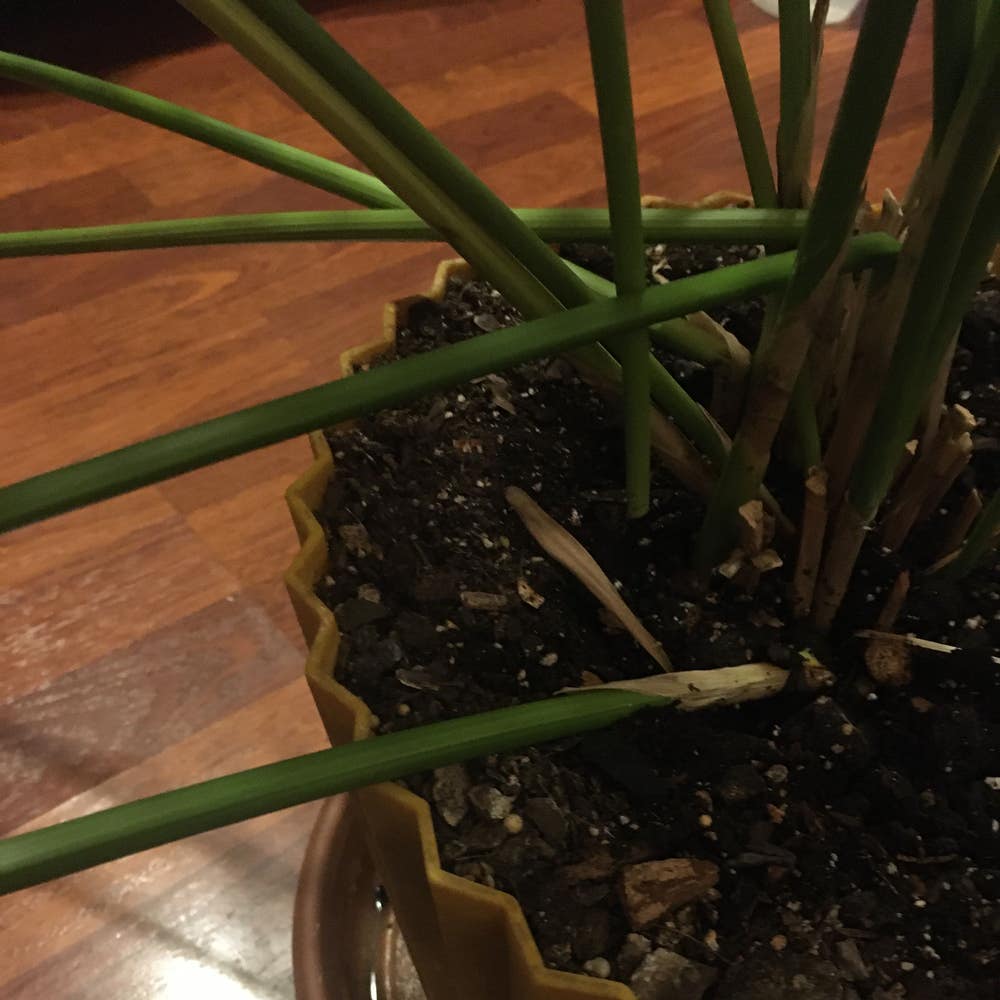
When dealing with Nutsedge, the first step is to observe the leaves. Look for visual signs such as yellowing, wilting, and drooping leaves, which indicate stress.
Timing is also crucial; these symptoms often appear during critical growth phases, particularly in hot or dry conditions. Recognizing when these signs emerge can help you pinpoint the underlying issue.
🌧️ Assessing Soil Conditions and Moisture Levels
Next, assess your soil conditions. Soil moisture testing is essential; you can use a moisture meter or simply dig down a few inches to check for dampness.
Nutsedge thrives in specific moisture levels, so maintaining optimal conditions is key. Aim for consistently moist but not waterlogged soil to support healthy growth.
🧪 Evaluating Nutrient Levels in the Soil
Nutrient levels play a significant role in plant health. Conduct soil testing to identify any nutrient deficiencies that may be affecting your Nutsedge.
Balanced nutrients are vital for preventing leaf droop. Ensuring your soil has the right mix can make a world of difference in plant vitality.
🐛 Recognizing Pest and Disease Signs
Pests and diseases can wreak havoc on your Nutsedge. Look for common pest indicators, such as visible damage or the presence of pests themselves.
Additionally, be vigilant for disease symptoms like fungal growth, leaf spots, and wilting. Early detection is crucial for effective management and recovery.
By diagnosing these issues promptly, you can take the necessary steps to restore your Nutsedge to its vibrant state. Next, let’s explore effective solutions and treatments to tackle these problems head-on.
Solutions and Treatments
💧 Watering Techniques to Prevent Leaf Droop
Maintaining proper soil moisture is crucial for preventing leaf droop in Nutsedge. Watering frequency should be adjusted based on weather conditions, ensuring the soil remains consistently moist but not waterlogged.
For effective irrigation, consider using drip or overhead watering systems. Drip irrigation delivers water directly to the roots, minimizing evaporation and runoff, while overhead systems can cover larger areas but may lead to water loss.
🌱 Fertilization Strategies for Nutrient Balance
To keep your Nutsedge healthy, it's essential to use the right fertilizers. Look for balanced fertilizers that provide nitrogen, phosphorus, and potassium, applying them according to the recommended rates for optimal growth.
Timing is key when fertilizing. Apply fertilizers during the active growing season to ensure that nutrients are readily available for uptake, promoting robust plant health and preventing leaf droop.
🐛 Pest Control Options
Pest infestations can severely impact the health of your Nutsedge. For organic pest control, consider using neem oil or insecticidal soaps, which are effective against many common pests without harming beneficial insects.
If the infestation is severe, you may need to resort to chemical options. Use synthetic pesticides as a last resort, ensuring you follow application guidelines to minimize environmental impact.
🦠 Disease Management Practices
Identifying and treating fungal infections is vital for maintaining healthy Nutsedge. Recommended fungicides can help manage these diseases, but it's essential to apply them at the first sign of trouble for the best results.
In addition to chemical treatments, adopting cultural practices can significantly reduce disease risk. Implement crop rotation and maintain sanitation in your garden to prevent the spread of diseases and promote a healthier growing environment.
By addressing watering, fertilization, pest control, and disease management, you can effectively combat the challenges of leaf droop in Nutsedge. These proactive solutions will help ensure your plants thrive, setting the stage for the next section on preventive measures.
Preventive Measures
Best Practices for Soil Health 🌱
Maintaining healthy soil is crucial for preventing leaves from falling over on Nutsedge. Start by incorporating organic matter, such as compost, to improve soil structure and nutrient content.
Adjusting soil pH is also essential. A balanced pH level ensures that nutrients are available for plant uptake, promoting robust growth and resilience against environmental stressors.
Regular Maintenance Routines 🔧
Regular maintenance can significantly reduce the spread of Nutsedge. Mowing at the right height—typically around 3 inches—helps prevent the plant from flowering and seeding.
Weeding is another vital practice. Manual removal of Nutsedge, combined with mulching, can suppress its growth and improve overall garden health.
Choosing Compatible Plants and Turfgrass 🌿
Selecting the right turfgrass can make a big difference. Opt for grasses that are competitive against Nutsedge, as they can outgrow and overshadow it.
Companion planting is also beneficial. Incorporate plants that deter Nutsedge, creating a more balanced ecosystem in your garden.
Seasonal Care Tips for Nutsedge 🍂
Spring is the perfect time for early interventions. Prepare your garden by addressing soil health and ensuring optimal moisture levels for Nutsedge management.
As fall approaches, focus on maintenance strategies that prepare your garden for winter dormancy. This proactive approach helps ensure a healthier start come spring.
By implementing these preventive measures, you can create a thriving environment that minimizes the challenges posed by Nutsedge. Transitioning into effective solutions and treatments will further enhance your garden's resilience.
⚠️ Safety First
This content is for general information and may contain errors, omissions, or outdated details. It is not medical, veterinary advice, or an endorsement of therapeutic claims.
Always consult a qualified healthcare professional before using any plant as food, medicine, or supplement.
Never eat any plant (or feed one to pets) without confirming its identity with at least two trusted sources.
If you suspect poisoning, call Poison Control (800) 222-1222, the Pet Poison Helpline (800) 213-6680, or your local emergency service immediately.
Spotted an error? Please report it here.
Keep your Nutsedge thriving 🌿 by using Greg's personalized care reminders to monitor soil moisture and nutrients, ensuring those leaves stay upright and healthy!