🏎️ How Fast A Nutsedge Grows
Cyperus spp.
By the Greg Editorial Team
Oct 31, 2024•6 min read
This article was created with the help of AI so we can cover more plants for you. May contain errors. See one? Report it here.
Unlock effective nutsedge management 🌱 by mastering its growth stages and thriving in your garden!
- 🌱 Nutsedge germinates in 7-14 days under optimal temperatures and moist soil.
- 🌾 It grows rapidly, reaching heights of 30 to 100 cm in just 6-12 weeks.
- 🌼 From seed to flowering, nutsedge matures in about 10-14 weeks, enhancing its spread.
Germination Stage
🌱 Germination Process
Germination is the first crucial step in the life cycle of nutsedge. For seeds to sprout, they require specific conditions: an optimal temperature range of 20°C to 30°C (68°F to 86°F) and soil that is consistently moist but not waterlogged.
The duration of germination typically spans 7 to 14 days. During this time, seeds absorb water and swell, eventually breaking through the soil surface.
🌍 Factors Influencing Germination
Several factors can influence the germination of nutsedge seeds. The type and quality of soil play a significant role, as nutrient-rich soil promotes healthier growth.
Light exposure and temperature variations also impact germination rates. Additionally, seed dormancy and viability are crucial; seeds that have been stored for long periods may not germinate effectively.
Understanding these factors can help in managing nutsedge growth in various environments. By creating optimal conditions, you can encourage successful germination and set the stage for robust plant development.
As we move forward, we'll explore the seedling stage and how these young plants begin to establish themselves.
Seedling Stage
🌱 Characteristics of the Seedling Stage
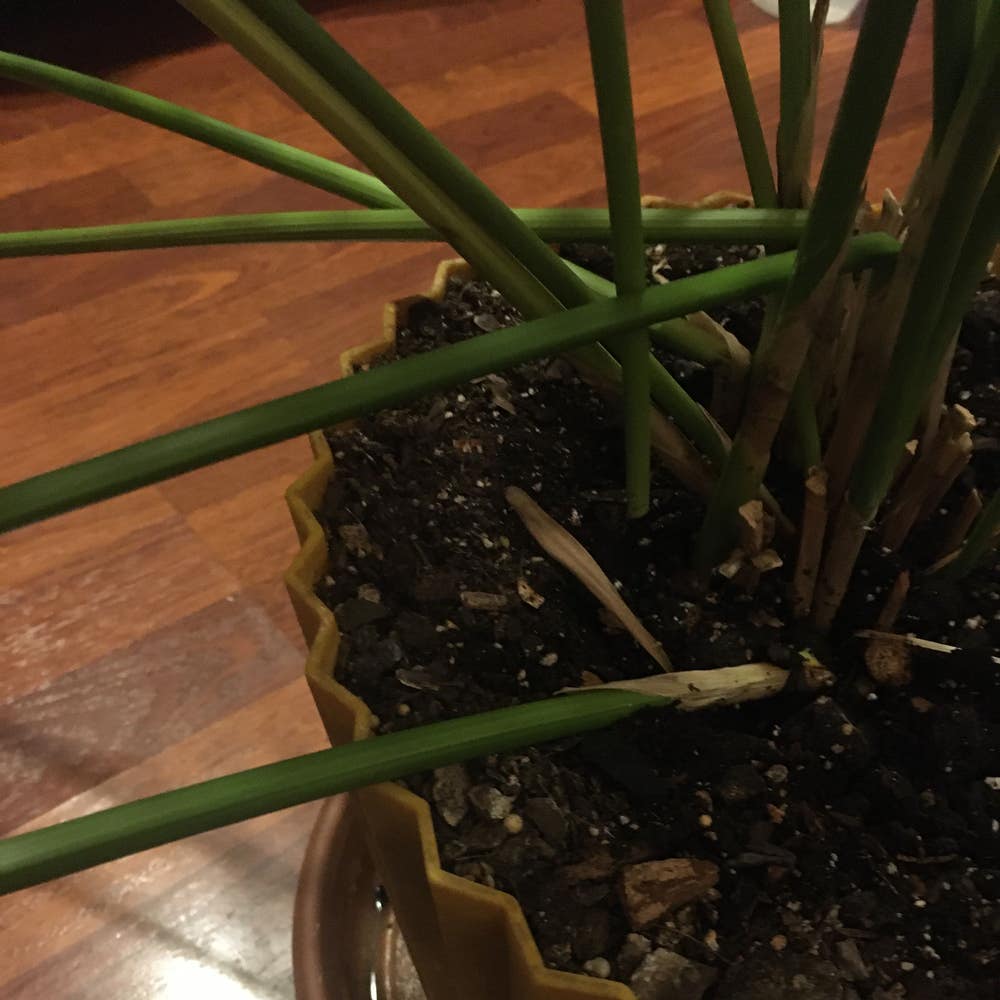
During the seedling stage, nutsedge showcases its unique grass-like leaves, which push through the soil, marking its presence. This phase is characterized by a rapid establishment of seedlings, allowing them to quickly adapt to their environment.
⏳ Duration of the Seedling Stage
Typically, the seedling stage lasts about 2 to 4 weeks. In this timeframe, seedlings become robust enough to transition into the vegetative growth phase.
🌧️ Environmental Influences
Soil nutrients and moisture play a critical role in seedling development. Adequate nutrient levels and consistent moisture can significantly enhance growth, while competition with other plants can hinder their establishment.
Understanding these factors is essential for managing nutsedge effectively. As we move forward, we’ll explore the vegetative growth stage, where nutsedge truly begins to thrive.
Vegetative Growth Stage
🌱 Growth Characteristics
During the vegetative growth stage, nutsedge develops distinct triangular stems and lush, extensive leaves. This growth phase is characterized by a clumping habit, allowing the plant to spread effectively through underground tubers.
⏳ Duration of Vegetative Growth
The vegetative growth stage typically lasts between 4 to 8 weeks. This duration can vary based on environmental conditions, such as temperature and moisture levels.
⚙️ Factors Affecting Growth Rate
Several factors influence the growth rate of nutsedge. Soil fertility and moisture levels play crucial roles, as nutrient-rich, well-drained soil fosters rapid development.
☀️ Light Availability and Temperature
Light availability is another key factor; adequate sunlight promotes vigorous growth. Additionally, temperature impacts how quickly nutsedge can thrive, with warmer conditions generally favoring faster growth.
Understanding these aspects of the vegetative growth stage is essential for managing nutsedge effectively. With the right conditions, this resilient plant can establish itself quickly, setting the stage for its subsequent flowering and seed production stages.
As we transition to the flowering stage, we’ll explore how nutsedge reproduces and the environmental influences that affect this critical phase.
Flowering Stage
🌸 Flowering Process
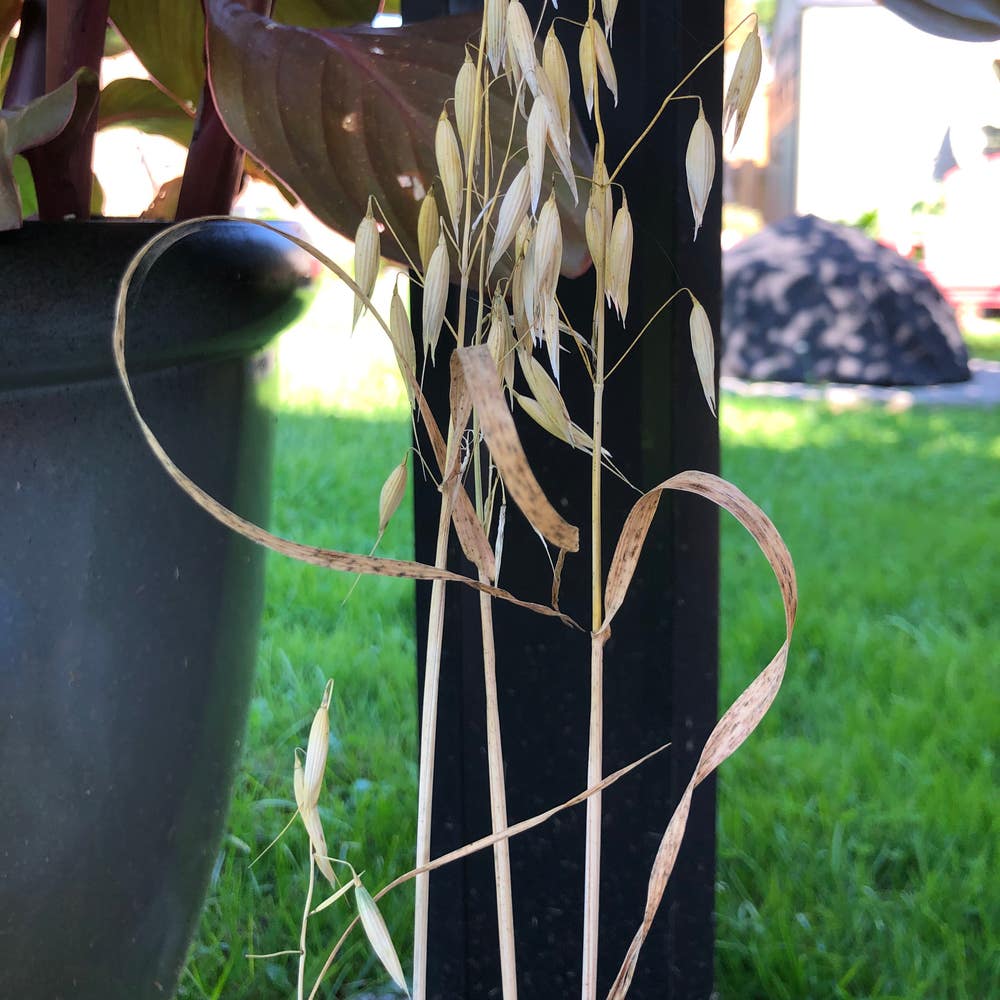
The flowering stage of nutsedge is marked by the formation of distinctive flower spikes and seed heads. These spikes emerge from the plant, showcasing the reproductive phase that is crucial for its lifecycle.
Pollination plays a vital role during this stage. Nutsedge primarily relies on self-pollination, but wind pollination also contributes to its reproductive success. This dual mechanism ensures that the plant can thrive in various environments.
⏳ Duration of the Flowering Stage
Typically, the flowering stage occurs 8 to 12 weeks after germination. This timeframe is essential for the plant to transition from vegetative growth to reproduction, allowing it to spread its genetic material effectively.
🌦️ Environmental Influences
Temperature and moisture significantly impact the success of flowering. Optimal conditions can enhance the flowering process, while extremes can hinder it.
Seasonal variations also affect when nutsedge flowers. Changes in climate and weather patterns can lead to differences in flowering time, influencing the overall growth cycle of the plant.
Understanding these factors can help in managing nutsedge effectively, especially in agricultural settings. As we explore the next stage, we’ll delve into how nutsedge produces seeds and the mechanisms behind their dispersal.
Seed Production Stage
Seed Production Mechanisms 🌱
Nutsedge plants are prolific seed producers, capable of generating thousands of seeds from a single plant. This remarkable seed formation and maturation process ensures that nutsedge can quickly establish itself in various environments.
Duration of Seed Production ⏳
After flowering, seeds typically mature in about 2-3 weeks. This rapid maturation allows for quick dispersal and the potential for new growth cycles.
Seed Dispersal 🌬️
Nutsedge employs several mechanisms for seed dispersal, including wind, water, and animal activity. These methods enhance its spread, making it a resilient competitor in many ecosystems.
The seeds can remain viable in the soil for several years under suitable conditions. This longevity means that even if you think you've eradicated nutsedge, it could still surprise you later on.
Understanding the seed production stage is crucial for managing nutsedge effectively. By recognizing how it reproduces and spreads, you can take proactive steps to control its growth in your garden or landscape.
Next, we’ll explore how fast nutsedge grows and the factors influencing its growth rate.
Growth Rate and Maturation
🌱 How Fast Does Nutsedge Grow?
Nutsedge is known for its impressive growth rate, often reaching heights of 30 to 100 cm within just 6 to 12 weeks. This rapid development makes it a formidable competitor in gardens and lawns, outpacing many common weeds.
⏳ How Long Until Nutsedge is Fully Grown?
From seed to flowering, nutsedge typically matures in about 10 to 14 weeks. This quick turnaround allows it to establish itself before other plants can dominate the area.
⚖️ Factors Affecting Growth Rate
Several factors influence the growth rate of nutsedge.
Soil Conditions: Nutrient availability and moisture levels play a crucial role. Well-drained, nutrient-rich soil promotes faster growth.
Environmental Factors: Temperature and light are also significant. Nutsedge thrives in warm, sunny conditions, but competition with other plants can hinder its growth.
Understanding these dynamics can help you manage nutsedge effectively in your landscape. By recognizing its rapid growth and the conditions that favor it, you can take proactive steps to control its spread.
Next, we’ll explore the flowering stage of nutsedge and how it impacts its lifecycle.
⚠️ Safety First
This content is for general information and may contain errors, omissions, or outdated details. It is not medical, veterinary advice, or an endorsement of therapeutic claims.
Always consult a qualified healthcare professional before using any plant as food, medicine, or supplement.
Never eat any plant (or feed one to pets) without confirming its identity with at least two trusted sources.
If you suspect poisoning, call Poison Control (800) 222-1222, the Pet Poison Helpline (800) 213-6680, or your local emergency service immediately.
Spotted an error? Please report it here.
Master the art of managing nutsedge 🌱 with Greg's personalized care tips that help you create the ideal conditions for your plants while keeping those fast-growing weeds in check!