Why Nutsedge Is Not an Annual
Cyperus spp.
By the Greg Editorial Team
Oct 31, 2024•5 min read
This article was created with the help of AI so we can cover more plants for you. May contain errors. See one? Report it here.
Unlock the potential of nutsedge 🌱 in your garden while mastering effective management strategies for a thriving landscape!
- 🌱 Nutsedge is a perennial, thriving through adverse conditions unlike annual plants.
- 🌾 Two species exist: yellow and purple, each with unique adaptations.
- 🌊 Nutsedge tolerates drought and flooding, making it resilient in various environments.
Nutsedge Characteristics
🧬 Genetic Traits
Nutsedge comes in two main species: yellow and purple. These plants have developed unique genetic adaptations that allow them to thrive in a variety of soil types and conditions.
🌱 Physiological Traits
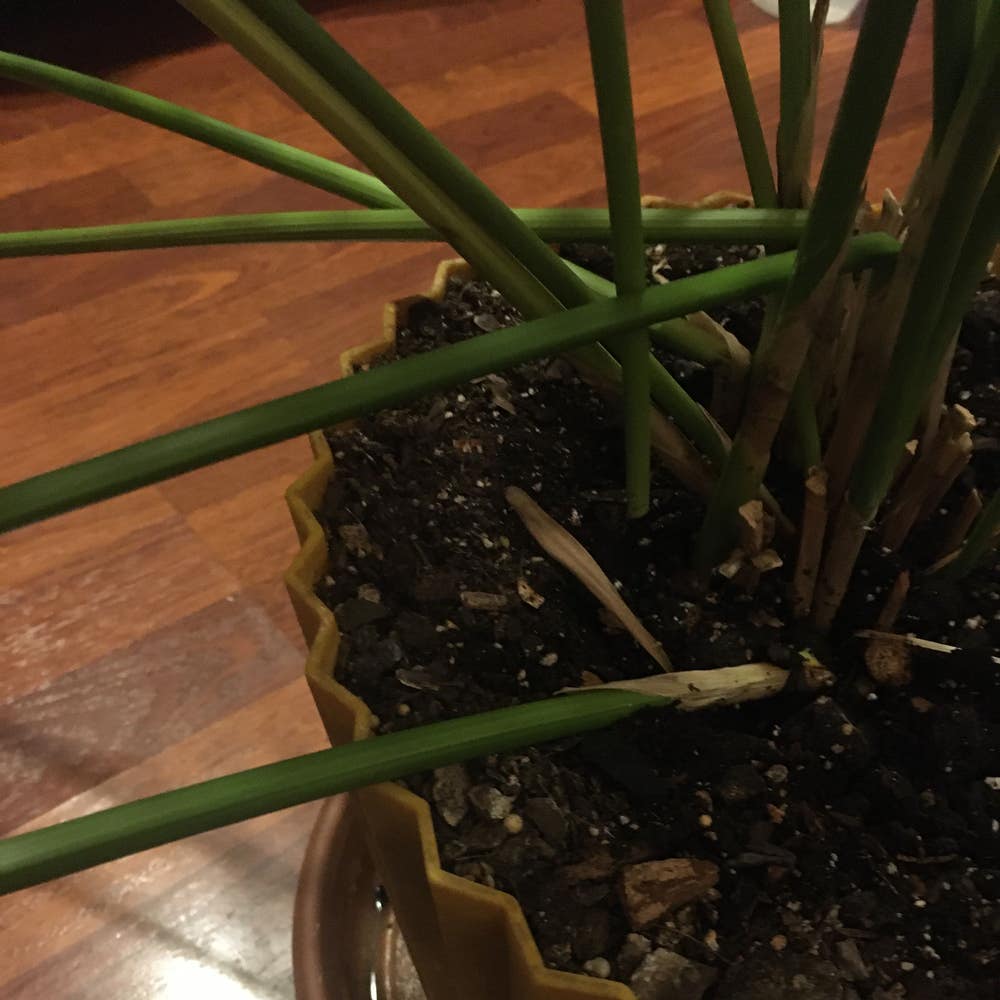
Nutsedge is easily identified by its distinctive triangular stems and grass-like leaves. This morphology contributes to its resilience, enabling it to tolerate both drought and flooding conditions.
⏳ Long-Term Lifecycle
One of the most fascinating aspects of nutsedge is its long lifespan. It can live for several years, enduring adverse conditions by entering a state of dormancy when necessary.
🌦️ Seasonal Behavior
During unfavorable conditions, nutsedge will go dormant, but it springs back to life in favorable seasons. This ability to adapt makes it a persistent presence in many landscapes.
🌿 Growth Patterns
Nutsedge exhibits rapid growth, quickly establishing itself and spreading through underground tubers and rhizomes. Its clumping habit allows it to form dense patches that can easily outcompete other plants for resources.
📚 Conclusion
Understanding the characteristics of nutsedge is crucial for managing its presence in gardens and landscapes. With its unique traits, this plant is not just a weed but a resilient perennial that can thrive under various conditions. Next, we will explore its reproductive strategies, which further contribute to its persistence.
Reproductive Strategies
🌱 Seed Production
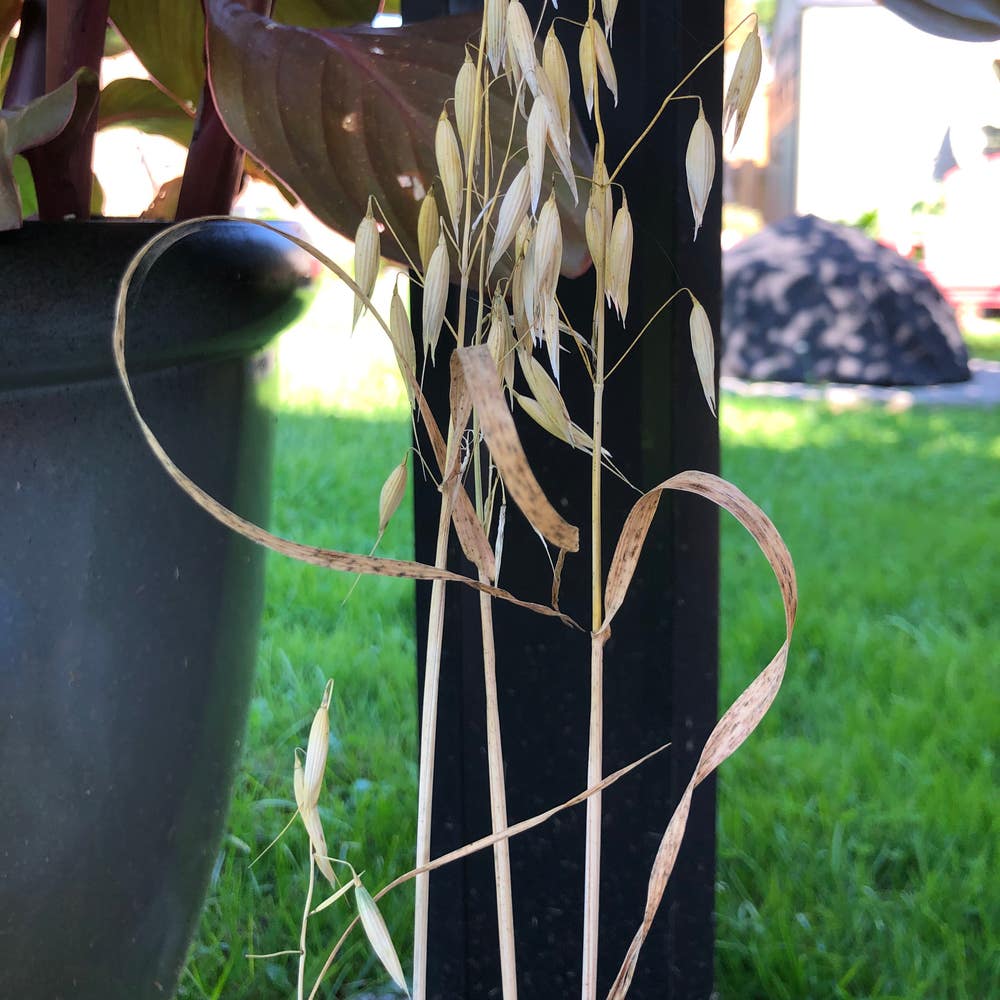
Nutsedge produces small, wind-dispersed seeds that can remain viable for several years. This ability to endure makes it a formidable competitor in various environments.
Flowering typically occurs in late summer to early fall, allowing the plant to take advantage of the growing season. This timing ensures that seeds are dispersed when conditions are favorable for germination.
🌿 Vegetative Reproduction
In addition to seeds, nutsedge has an impressive vegetative reproduction strategy. It utilizes tubers, which are underground storage organs that enable rapid spread and establishment in new areas.
Rhizomes, or horizontal stems, also play a crucial role in its reproduction. These structures produce new plants at nodes, allowing nutsedge to form dense colonies that can outcompete surrounding vegetation.
Understanding these reproductive strategies is essential for managing nutsedge effectively. As we delve deeper into the differences between nutsedge and true annuals, we’ll uncover how these traits influence their growth and persistence in gardens.
Nutsedge vs. True Annuals
🌱 Lifecycle Comparison
Annual plants complete their lifecycle in a single season, sprouting, flowering, and dying off within months. In contrast, nutsedge is a perennial, persisting through multiple seasons and adapting to various environmental conditions.
Nutsedge can enter a state of dormancy during unfavorable conditions, allowing it to survive droughts or extreme weather. This ability sets it apart from true annuals, which die completely at the end of their growing season.
🌼 Growth and Flowering Differences
When it comes to flowering, annuals typically bloom just once per season. Nutsedge, however, can flower multiple times throughout its lifecycle, showcasing its resilience and adaptability.
Resource allocation also differs significantly between these plant types. While true annuals focus their energy on quick growth and reproduction, nutsedge invests in its root systems, ensuring longevity and stability in the garden.
Understanding these differences is crucial for gardeners and landscapers. By recognizing the unique traits of nutsedge, you can make informed decisions about its role in your garden design.
Next, we’ll explore the implications of utilizing nutsedge in garden design and how to plan for its long-term growth.
Garden Design Implications
Utilizing Nutsedge in Garden Design 🌿
Nutsedge can add unique aesthetic value to your garden, especially in wetland areas. Its lush, grass-like appearance makes it an excellent choice for ground cover, providing a vibrant green backdrop.
Beyond looks, nutsedge offers functional benefits too. It plays a crucial role in soil stabilization, particularly in areas prone to erosion or waterlogging.
Planning for Long-Term Growth 📈
When planning your garden, site selection is key. Choose locations that align with nutsedge's growth habits, ensuring it thrives in the right conditions.
Companion planting is another strategy to enhance your garden's resilience. Pairing nutsedge with other perennials can create a harmonious ecosystem, benefiting both plants and your overall garden health.
By considering these factors, you can effectively integrate nutsedge into your garden design, maximizing its potential while creating a thriving landscape.
Managing Nutsedge as a Perennial
🌱 Tips for Maximizing Longevity
To ensure your nutsedge thrives, focus on maintaining nutrient-rich, well-draining soil. This foundation supports robust growth and helps the plant withstand various environmental challenges.
Consistent moisture is crucial, but be careful not to overwater. Nutsedge prefers a balanced approach to hydration, avoiding waterlogged conditions that can hinder its development.
⚔️ Strategies for Controlling Nutsedge
Managing nutsedge effectively requires a combination of mechanical and chemical strategies. Regular mowing and digging can help control its spread, preventing it from overtaking your garden.
If mechanical methods aren’t enough, consider using selective herbicides. These targeted treatments can effectively manage nutsedge while minimizing harm to surrounding plants, allowing you to maintain a healthy garden ecosystem.
With these strategies, you can harness the benefits of nutsedge while keeping it in check, ensuring a thriving garden environment.
⚠️ Safety First
This content is for general information and may contain errors, omissions, or outdated details. It is not medical, veterinary advice, or an endorsement of therapeutic claims.
Always consult a qualified healthcare professional before using any plant as food, medicine, or supplement.
Never eat any plant (or feed one to pets) without confirming its identity with at least two trusted sources.
If you suspect poisoning, call Poison Control (800) 222-1222, the Pet Poison Helpline (800) 213-6680, or your local emergency service immediately.
Spotted an error? Please report it here.
Embrace the resilience of nutsedge 🌱 in your garden by using Greg's personalized care tips to harness its strengths while keeping it in check!