Nut Grass Is Considered a Weed
Cyperus nutans var. subprolixus
By the Greg Editorial Team
Nov 26, 2024•6 min read
This article was created with the help of AI so we can cover more plants for you. May contain errors. See one? Report it here.
- 🌱 Nut Grass is a highly invasive weed, disrupting ecosystems and competing with native plants.
- 🔍 Identify Nut Grass by its triangular stems and narrow leaves for effective management.
- ⚔️ Control Nut Grass through manual removal, herbicides, and preventive cultural practices.
Plant Classification
🌱 Definition of Weeds and Invasive Species
Weeds are unwanted plants that aggressively invade cultivated areas, disrupting the balance of gardens and farms. Invasive species, on the other hand, are non-native plants that spread rapidly, causing significant ecological harm.
📋 Criteria for Classifying Nut Grass as a Weed
Nut Grass meets several criteria that classify it as a weed. Its rapid spread allows it to quickly colonize new areas, while its competitive nature enables it to outcompete native vegetation for essential resources.
🌍 Ecological Impact
The ecological impact of Nut Grass is profound. It alters habitats and reduces biodiversity, making it a formidable opponent in the fight for ecological balance.
⚡ Characteristics of Rapid Spread and Competitive Nature
One of the key characteristics of Nut Grass is its robust underground tuber system. This system not only contributes to its persistence but also makes eradication challenging.
🌿 Adaptability
Nut Grass is remarkably adaptable, thriving in various soil types and environmental conditions. This adaptability further enhances its ability to spread and dominate landscapes.
Understanding these classifications and characteristics is crucial for effective management and control of Nut Grass. By recognizing its invasive nature, we can better prepare for the challenges it poses in our gardens and ecosystems.
Identification
Key Identifying Features 🌿
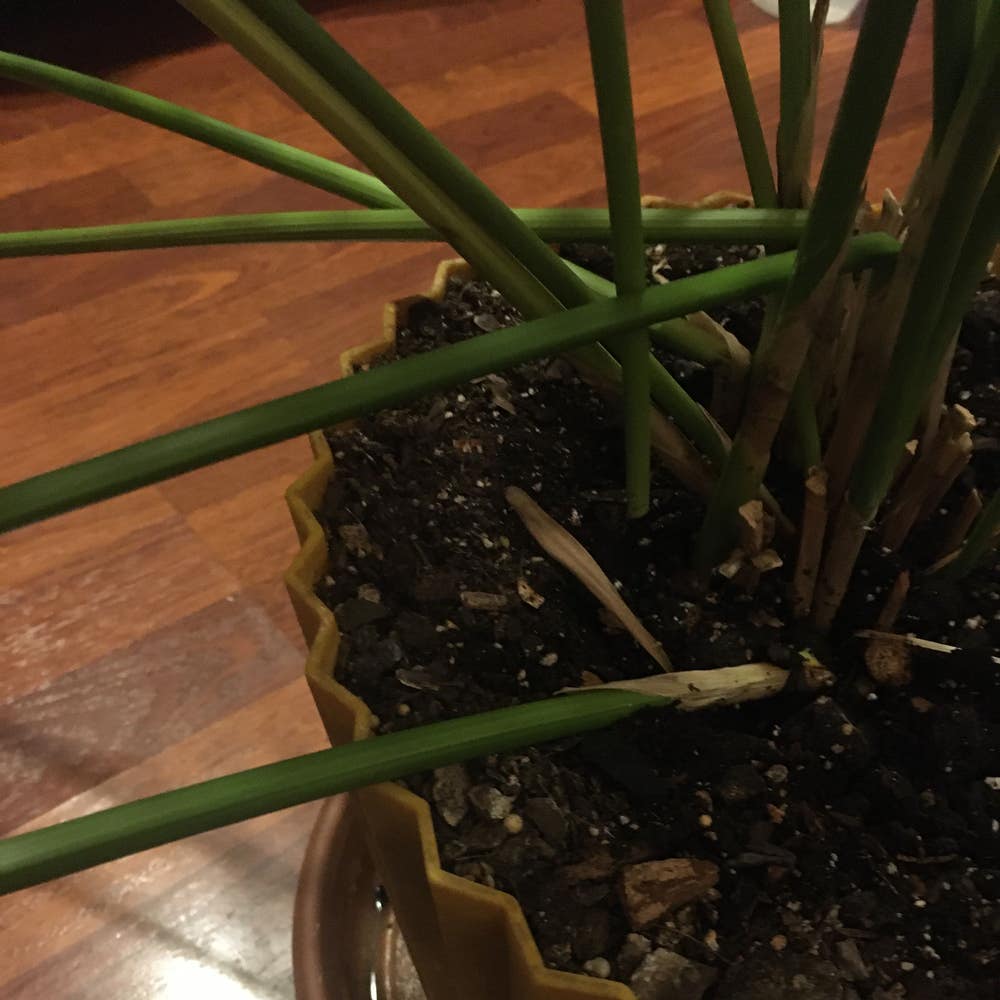
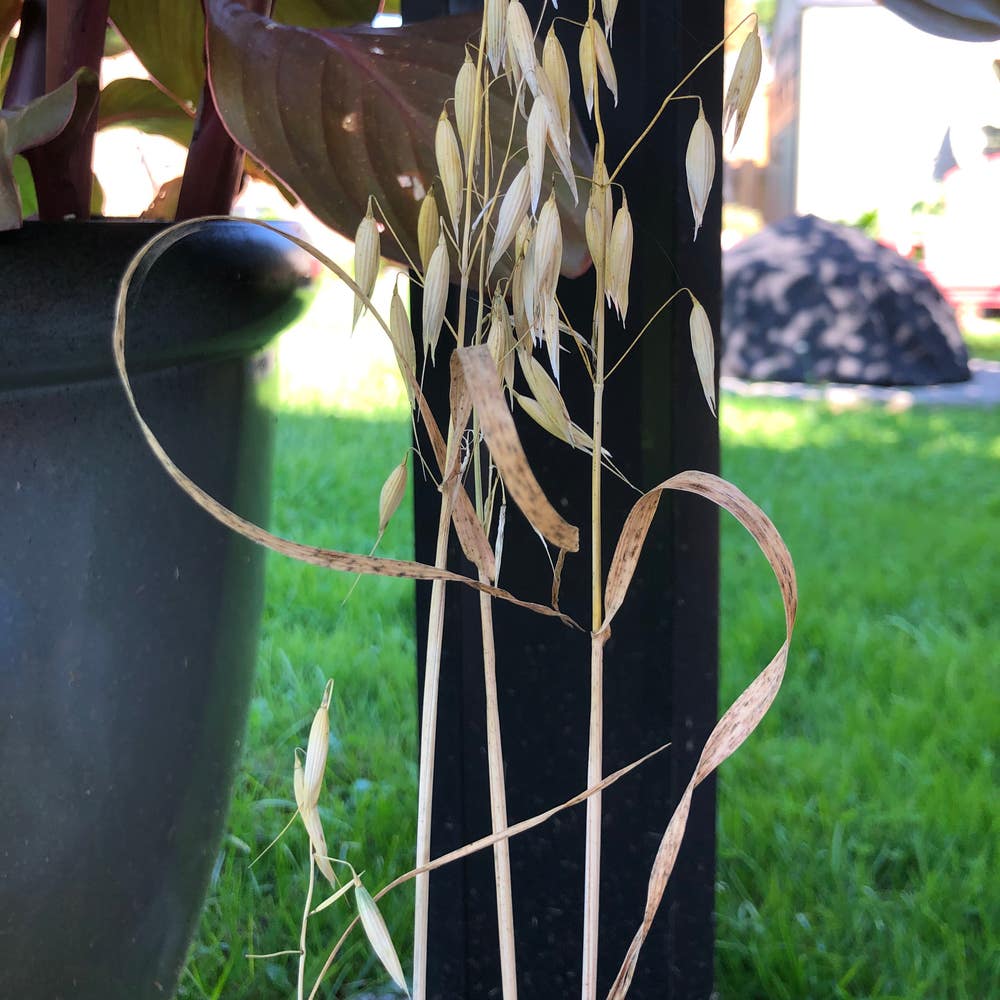
Nut grass is easily recognizable due to its triangular stems, which give it a unique profile compared to other plants. Additionally, it features small, clustered flower heads that may resemble other sedges but possess distinct characteristics that set them apart.
The leaf structure of nut grass consists of long, narrow leaves that emerge from the base, contributing to its overall appearance. These features make it crucial for anyone dealing with this weed to familiarize themselves with its specific traits.
Comparison with Look-Alike Plants 👀
When identifying nut grass, it's essential to distinguish it from similar species. The key differences lie in the stem shape, flower arrangement, and leaf texture.
For instance, while some sedges may have similar growth habits, nut grass's triangular stems and clustered flowers are telltale signs. Understanding these distinctions can help prevent confusion and ensure effective management of this invasive plant.
With a solid grasp of nut grass identification, you can better tackle its spread and impact in your garden or landscape. Next, we’ll explore its growth habits and how it proliferates in various environments.
Growth Habits and Spread
Typical Growth Patterns 🌱
Nut grass typically grows to a height of 12 to 24 inches. It thrives during warm months, entering a dormant state in colder seasons.
Reproductive Strategies and Methods of Spread 🌬️
This resilient plant employs two main reproductive strategies. It produces small seeds that can be dispersed by wind, water, or animals, and it also reproduces vegetatively through underground tubers that sprout new plants.
Adaptability to Various Environments 🌍
Nut grass is highly adaptable, commonly found in disturbed areas, gardens, and agricultural fields. It tolerates a wide range of soil types and moisture levels, making it a formidable presence in many environments.
Understanding these growth habits and spread mechanisms is crucial for effective management. The next section will delve into the ecological impact of nut grass on native plant communities and wildlife.
Ecological Impact
🌱 Effects on Native Plant Communities
Nut grass poses a significant threat to native plant communities through intense competition. It aggressively reduces the growth and survival rates of native plants, often outcompeting them for essential resources like sunlight, water, and nutrients.
Moreover, nut grass alters habitats by changing soil composition and nutrient availability. This disruption can lead to a decline in native flora, ultimately affecting the entire ecosystem.
🦋 Impact on Wildlife and Biodiversity
The displacement of native species is another serious consequence of nut grass proliferation. As it takes over, it reduces habitat availability for local fauna, leading to a loss of biodiversity.
Additionally, the decline of native plants impacts food sources for herbivores and other wildlife that depend on them. This ripple effect can destabilize local ecosystems, making it crucial to manage and control nut grass effectively.
Understanding these ecological impacts highlights the importance of addressing nut grass invasions. By taking action, we can protect our native plant communities and the wildlife that relies on them.
Next, we will explore effective control and management strategies to combat this invasive species.
Control and Management
Managing Nut Grass effectively requires a combination of manual removal techniques, chemical control options, and preventive measures. By employing these strategies, you can significantly reduce its spread and impact on your garden or agricultural area.
👐 Manual Removal Techniques
Identifying Infested Areas: Regularly monitor your gardens and fields for signs of Nut Grass. Early detection is key to managing its spread.
Hand-Pulling: When you spot Nut Grass, hand-pulling can be effective. Make sure to remove the tubers to prevent regrowth.
Timing: The best time for manual removal is before the plant flowers. This limits the potential for seed spread and helps control the population.
🧪 Chemical Control Options
Herbicides: There are effective chemical options available for controlling Nut Grass. These can help manage larger infestations where manual removal is impractical.
Application Guidelines: Follow specific timing, dosage, and safety precautions when using herbicides. Proper application ensures maximum effectiveness while minimizing harm to surrounding plants.
🚫 Preventive Measures to Limit Spread
Regular Monitoring: Keep an eye out for new infestations. Early detection allows for quicker intervention and reduces the chance of Nut Grass establishing itself.
Cultural Practices: Implementing crop rotation and maintaining healthy soil can deter Nut Grass. Healthy ecosystems are less susceptible to invasive species.
🔍 Importance of Early Detection and Rapid Response
Quick identification and action are crucial in preventing Nut Grass from becoming established. Engage your community in monitoring efforts to enhance awareness and response.
By combining these strategies, you can take proactive steps to manage Nut Grass effectively. This not only protects your plants but also contributes to a healthier ecosystem overall.
Legal Status
Overview of Laws and Regulations 🌍
Nut grass, like many invasive species, is subject to various local and national regulations. These laws often restrict its cultivation and sale, aiming to curb its spread and protect native ecosystems.
Guidelines for reporting and managing invasive species are also in place. These regulations help ensure that communities can effectively address infestations and prevent further ecological damage.
Requirements for Removal or Control ⚖️
Landowners have specific legal obligations when it comes to managing invasive plants like nut grass. This includes taking action to remove or control its spread on their property.
Failure to comply with these regulations can lead to penalties. It's crucial for landowners to stay informed about their responsibilities to contribute to the overall health of their local environment.
Understanding the legal framework surrounding nut grass is essential for effective management. By adhering to these guidelines, we can work together to protect our native flora and fauna.
⚠️ Safety First
This content is for general information and may contain errors, omissions, or outdated details. It is not medical, veterinary advice, or an endorsement of therapeutic claims.
Always consult a qualified healthcare professional before using any plant as food, medicine, or supplement.
Never eat any plant (or feed one to pets) without confirming its identity with at least two trusted sources.
If you suspect poisoning, call Poison Control (800) 222-1222, the Pet Poison Helpline (800) 213-6680, or your local emergency service immediately.
Spotted an error? Please report it here.
Combat Nut Grass invasions 🌱 with Greg's personalized management tips and reminders, ensuring your garden thrives while protecting local ecosystems!