Why Nut Grass Is Not an Annual 🥜
Cyperus nutans var. subprolixus
By the Greg Editorial Team
Nov 26, 2024•5 min read
This article was created with the help of AI so we can cover more plants for you. May contain errors. See one? Report it here.
- 🌱 Nut grass is a perennial, thriving year after year from its underground tubers.
- 💧 Resilient to drought, it adapts well to various soil types and conditions.
- 🌼 Unlike annuals, nut grass flowers multiple times, ensuring its persistence in gardens.
Nut Grass Characteristics
Genetic Traits 🌱
Nut grass, scientifically known as Cyperus rotundus, belongs to the sedge family. This plant has developed an extensive underground tuber system, which serves as a reservoir for nutrients and enhances its survival.
Resilience 💪
One of the remarkable features of nut grass is its resilience. Thanks to its tuber reserves, it can withstand drought and adverse environmental conditions, making it a tough competitor in various landscapes.
Physiological Traits 🌿
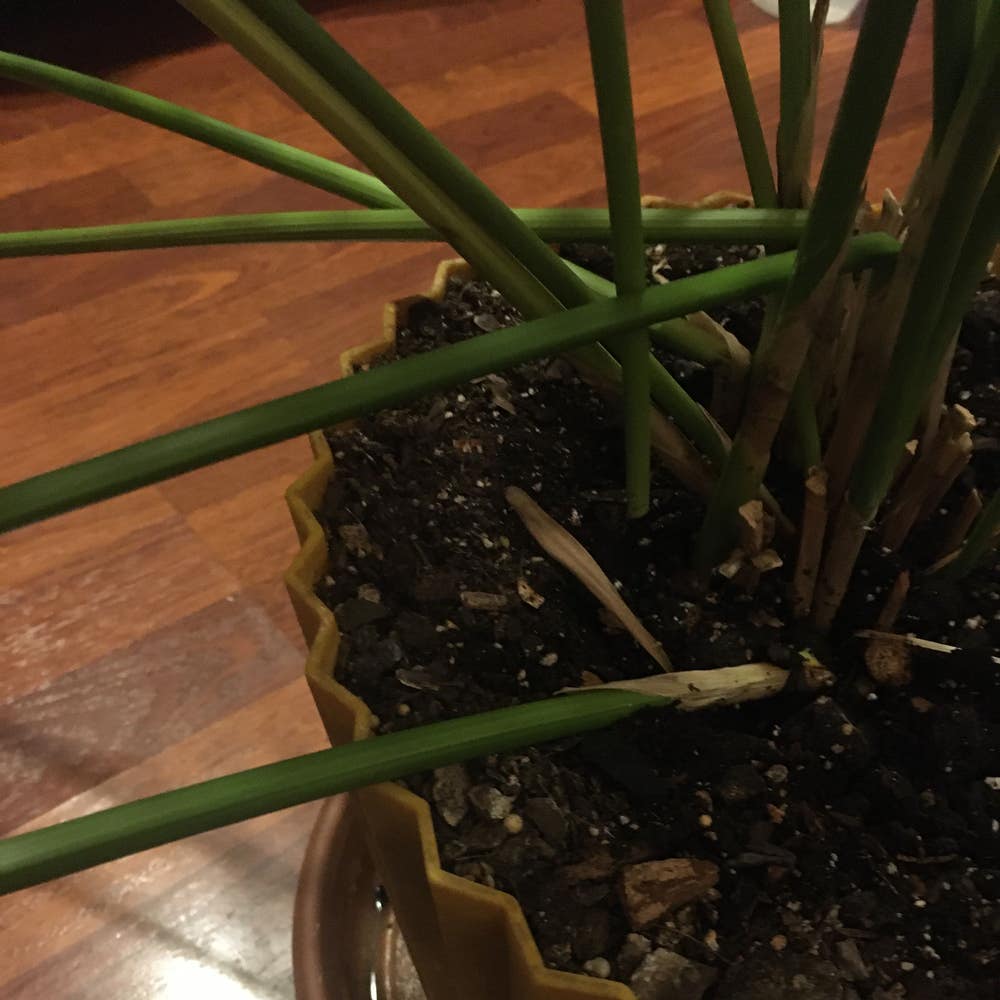
Nut grass exhibits a distinctive growth habit, forming dense clumps with upright stems and narrow leaves. This structure allows it to maximize sunlight absorption, promoting robust growth even in less-than-ideal conditions.
Nutrient Uptake 🌾
Another advantage of nut grass is its adaptability to different soil types. This trait enhances its survival and spread, allowing it to thrive in diverse environments.
Long-term Lifecycle ⏳
Nut grass has a lifespan that can extend for several years. It continuously regenerates from its tubers, ensuring its presence in the landscape year after year.
Growth Cycle 🔄
During warm seasons, nut grass experiences active growth, while it enters a dormant phase in colder months. This cyclical pattern allows it to conserve energy and resources effectively.
Regeneration ♻️
The plant's ability to sprout from both tubers and seeds ensures its persistence. This dual regeneration strategy makes nut grass a formidable presence in gardens and natural areas alike.
Understanding these characteristics of nut grass is crucial for gardeners and landscapers. This knowledge not only helps in managing its growth but also in appreciating its role in various ecosystems. Next, we will explore how nut grass compares to annual plants in terms of lifecycle and growth patterns.
Lifecycle Comparison
Growth Patterns vs. Annuals 🌱
Nut Grass, scientifically known as Cyperus rotundus, exhibits a unique growth pattern that sets it apart from annual plants. Unlike annuals, which complete their lifecycle in a single season and die off after seed production, Nut Grass thrives year-round, entering a phase of dormancy during colder months while continuously regenerating from its extensive underground tuber system.
This resilience allows Nut Grass to maintain its presence in various environments. While annuals focus their energy on a one-time growth and reproduction cycle, Nut Grass can adapt and persist, sprouting anew each season from its tubers.
Flowering and Seed Production Differences 🌼
When it comes to flowering and seed production, Nut Grass showcases its remarkable adaptability. It flowers multiple times throughout its lifespan, producing both seeds and tubers, which ensures its survival and spread across different landscapes.
In contrast, annuals typically flower just once per season. They channel their energy into seed production before completing their lifecycle, leaving behind only seeds to carry on their legacy. This fundamental difference highlights Nut Grass's ability to thrive in diverse conditions, making it a formidable presence in gardens and landscapes alike.
Understanding these lifecycle distinctions is crucial for effective garden management and design. As we explore the implications of Nut Grass in garden settings, we’ll uncover its advantages and strategies for successful incorporation.
Regional Variations
🌱 Conditions Where Nut Grass May Be Mistaken for an Annual
Nut Grass, or Cyperus rotundus, can sometimes be misidentified as an annual, especially in cooler climates. Here, its growth cycles may shorten, leading gardeners to believe it dies off each season.
This misconception arises from its seasonal appearance, where it may seem to vanish during colder months. However, beneath the surface, the extensive tuber system remains intact, ready to sprout again when conditions improve.
🌍 Exceptions in Growth Behavior Based on Geography
The behavior of Nut Grass varies significantly between tropical and temperate regions. In warmer climates, it thrives year-round, showcasing its resilience and adaptability.
Conversely, in colder areas, Nut Grass may exhibit different growth patterns. Local soil types and climate conditions can further influence its development, leading to variations that can surprise even seasoned gardeners.
Understanding these regional differences is crucial for effective gardening strategies. By recognizing Nut Grass's true nature, you can better appreciate its role in your garden and manage it accordingly.
As we explore the implications of Nut Grass in garden design, consider how its unique characteristics can enhance your landscape.
Garden Design Implications
Advantages of Using Nut Grass 🌱
Nut grass, or Cyperus rotundus, offers significant advantages in garden design. Its longevity ensures consistent ground cover, providing aesthetic appeal that lasts through multiple seasons.
Additionally, nut grass is low maintenance. Unlike annuals that require replanting each year, nut grass thrives with minimal intervention, making it an excellent choice for busy gardeners.
Strategies for Incorporating Nut Grass 🌿
When incorporating nut grass into your garden, consider companion planting. Pairing it with other perennials can create a diverse ecosystem that enhances overall garden health.
Design considerations are also crucial. Utilize nut grass's growth habit for erosion control and soil stabilization, making it not just beautiful but functional in your landscape.
Management Tips
Best Practices for Managing Nut Grass 🌱
Regular monitoring is essential for managing Nut Grass effectively. Keep an eye on its growth patterns and tuber development to understand how it spreads.
Control measures can help manage its spread without harming the plant. Techniques such as targeted digging or using mulch can be effective in keeping Nut Grass in check.
Tips for Maximizing Longevity and Health 🌿
Soil health plays a crucial role in the longevity of Nut Grass. Ensure that the soil is nutrient-rich and well-draining to promote optimal growth.
Watering practices should be adjusted based on seasonal needs and environmental conditions. This flexibility will help maintain the plant's health and vigor throughout its lifecycle.
By implementing these management tips, you can enjoy the benefits of Nut Grass while keeping it thriving in your garden. Next, let’s explore the advantages of incorporating Nut Grass into your garden design.
⚠️ Safety First
This content is for general information and may contain errors, omissions, or outdated details. It is not medical, veterinary advice, or an endorsement of therapeutic claims.
Always consult a qualified healthcare professional before using any plant as food, medicine, or supplement.
Never eat any plant (or feed one to pets) without confirming its identity with at least two trusted sources.
If you suspect poisoning, call Poison Control (800) 222-1222, the Pet Poison Helpline (800) 213-6680, or your local emergency service immediately.
Spotted an error? Please report it here.
Master the art of managing nut grass with Greg's personalized care tips 🌿, ensuring your garden flourishes with this resilient perennial season after season!