🌱 Growth Rate of Nut Grass
Cyperus nutans var. subprolixus
By the Greg Editorial Team
Nov 26, 2024•5 min read
This article was created with the help of AI so we can cover more plants for you. May contain errors. See one? Report it here.
- 🌱 Nut grass germinates in 7-14 days with optimal soil and light conditions.
- 🌞💧 Ideal growth requires pH 6.0-7.5 and temperatures between 20°C to 30°C.
- 🌾 Mature nut grass can grow up to 1 cm daily, making it highly invasive.
Germination Stage
Duration of germination 🌱
Nut grass seeds typically germinate within 7 to 14 days under optimal conditions. Several factors can influence this speed, including soil temperature, moisture levels, and light exposure.
Conditions for successful germination 🌿
For successful germination, the soil must be well-draining and moist, ideally with a pH between 6.0 and 7.5. The temperature should range from 20°C to 30°C (68°F to 86°F) to create the perfect environment for growth.
Additionally, while nut grass can germinate in darkness, some light exposure can actually enhance germination rates. This combination of conditions sets the stage for a robust start to the nut grass lifecycle.
As we move forward, understanding the seedling stage will reveal how these initial conditions impact the plant's early development.
Seedling Stage
🌱 Characteristics of seedlings
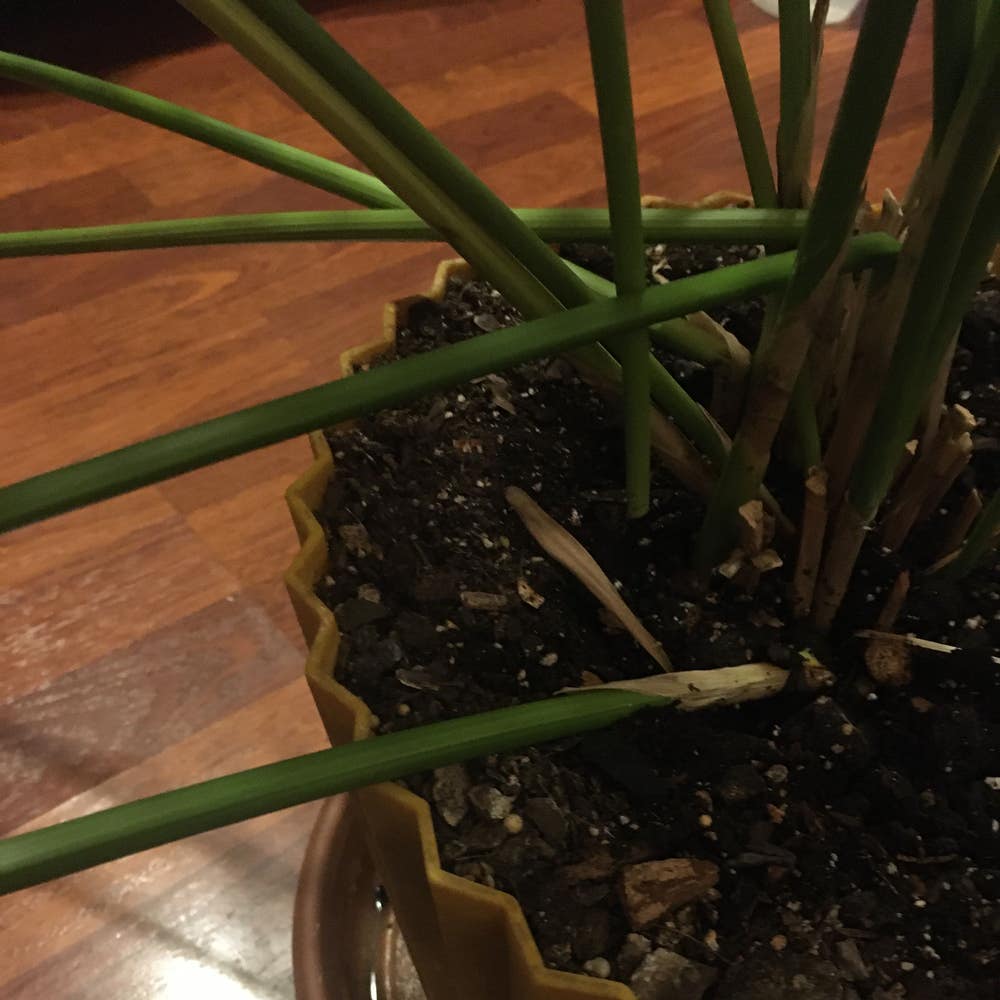
Nut grass seedlings are easily recognizable by their small, vibrant green shoots and narrow leaves. This initial growth stage is crucial as the seedlings develop a fibrous root system that enhances their ability to absorb nutrients and water.
⏳ Duration of the seedling stage
Typically, the seedling stage lasts about 2 to 4 weeks before the plants transition into the vegetative growth phase. However, this duration can be shortened with adequate moisture and nutrient availability, allowing the seedlings to thrive more rapidly.
As the seedlings establish themselves, they lay the groundwork for the robust growth that follows. Understanding this stage is essential for managing nut grass effectively, especially in areas where it can become invasive.
Next, we will explore the vegetative growth stage, where nut grass truly begins to flourish.
Vegetative Growth Stage
Description of vegetative growth 🌱
During the vegetative growth stage, nut grass exhibits a remarkable growth pattern characterized by rapid leaf expansion and robust root system development. This phase is crucial as the plant can reach heights of 30-50 cm (12-20 inches), establishing a strong foundation for future growth.
Duration and environmental factors affecting growth ⏳
The duration of this stage typically spans 4-12 weeks, influenced by various environmental conditions. Key factors include soil fertility, water availability, and sunlight exposure, all of which play a significant role in determining how quickly nut grass thrives.
Understanding these elements can help in managing nut grass effectively, especially in areas where it may become invasive. By ensuring optimal conditions, you can witness the impressive growth rate of this resilient plant.
As we move forward, let’s explore the flowering and seed production stage, where nut grass continues its journey of growth and reproduction.
Flowering and Seed Production Stage
🌼 Description of Flowering Process
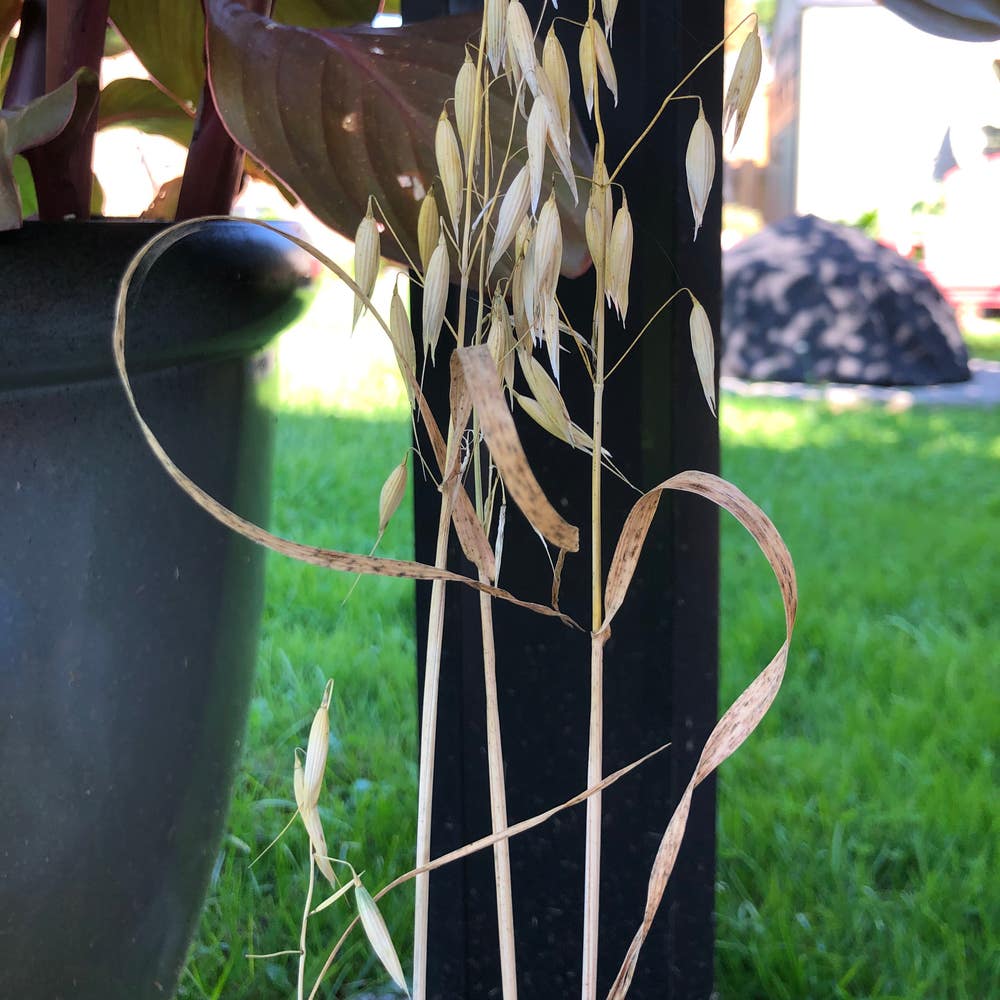
Nut grass showcases a unique flowering structure with umbrella-like clusters of small flowers. This distinctive formation not only adds to its visual appeal but also plays a crucial role in its reproductive strategy.
Pollination is primarily self-pollinating, which means nut grass can thrive even in isolation. However, it can also attract insects, enhancing genetic diversity through cross-pollination.
⏳ Duration of Flowering and Seed Production
The typical flowering period for nut grass lasts between 2 to 4 weeks, and this can occur multiple times throughout the year. This frequent flowering cycle allows nut grass to maintain a robust presence in its environment.
Each flower is capable of producing numerous seeds, which significantly contributes to the plant's rapid spread. From the moment flowering begins, it takes about 4 to 6 weeks for the seeds to mature, ready to continue the cycle of growth.
In summary, the flowering and seed production stage is vital for nut grass's survival and proliferation. Understanding this stage helps in managing its growth effectively, especially in areas where it may become invasive.
With this knowledge, we can now explore the growth rate and lifespan of nut grass, shedding light on how quickly this resilient plant can establish itself in various environments.
Growth Rate and Lifespan
How long until Nut Grass is fully grown? 🌱
Nut grass typically takes about 3 to 6 months to grow from germination to maturity under ideal conditions. This timeframe can vary significantly based on factors like soil quality, water availability, and climate conditions.
How fast does Nut Grass grow? ⚡️
In optimal conditions, nut grass can grow at an impressive rate of up to 1 cm (0.4 inches) per day. This rapid growth makes it a highly competitive invasive species, often outpacing other plants in the same environment.
Notable changes throughout life cycle 🌼
As nut grass matures, it undergoes significant changes in appearance. It starts as small, dark seeds and develops into dense clumps of grass-like foliage adorned with flowering heads.
The plant also adapts throughout its life cycle. It develops extensive roots that enhance nutrient and water absorption, allowing it to thrive in various soil conditions and climates.
Understanding these growth dynamics is crucial for managing nut grass effectively, especially in areas where it can become invasive. With this knowledge, you can better appreciate the resilience and adaptability of this plant as we transition to exploring its flowering and seed production stage.
⚠️ Safety First
This content is for general information and may contain errors, omissions, or outdated details. It is not medical, veterinary advice, or an endorsement of therapeutic claims.
Always consult a qualified healthcare professional before using any plant as food, medicine, or supplement.
Never eat any plant (or feed one to pets) without confirming its identity with at least two trusted sources.
If you suspect poisoning, call Poison Control (800) 222-1222, the Pet Poison Helpline (800) 213-6680, or your local emergency service immediately.
Spotted an error? Please report it here.
Master the management of nut grass 🌱 with Greg's tailored care reminders and tips to keep this invasive species in check in your garden!