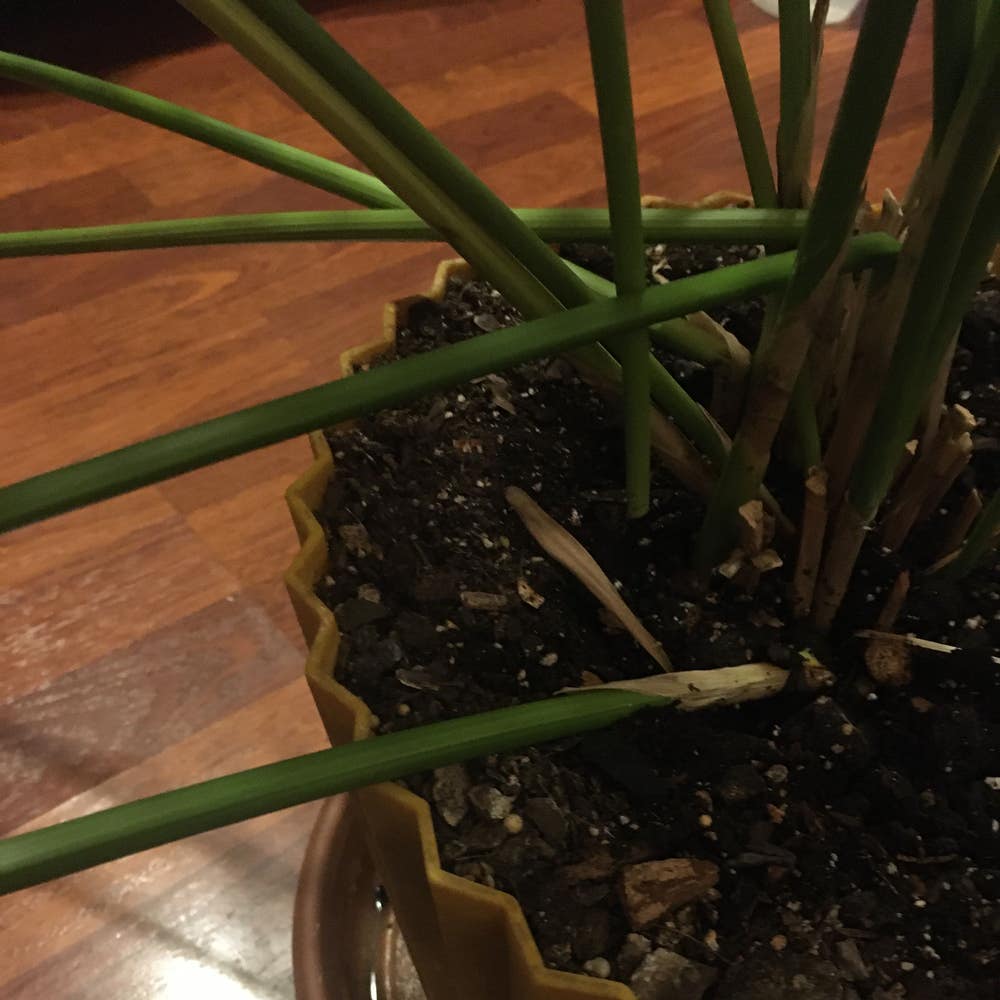
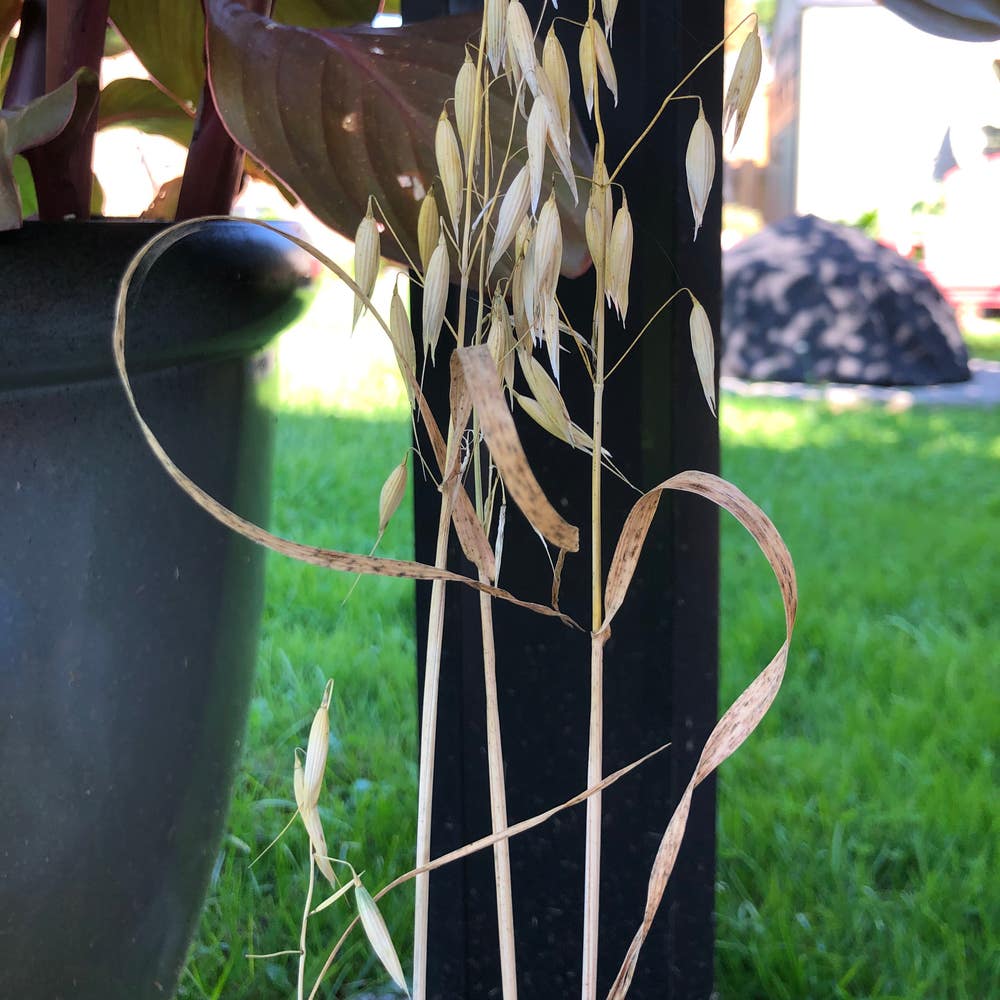
Best Tips for Dealing with Leaves Falling Over on Nut Grass
Cyperus nutans var. subprolixus
By the Greg Editorial Team
Nov 26, 2024•5 min read
This article was created with the help of AI so we can cover more plants for you. May contain errors. See one? Report it here.
- 🌱 Leaves fall due to stress, pests, or diseases—identify the cause for effective solutions.
- 💧 Overwatering and underwatering both lead to drooping leaves—balance is crucial!
- 🐛 Regular pest inspections and organic treatments can prevent damage to Nut Grass.
Causes of Leaves Falling Over
Understanding the causes of leaves falling over on Nut Grass is crucial for effective management. Several environmental stress factors, pest infestations, and diseases can contribute to this issue.
🌧️ Environmental Stress Factors
Overwatering
Overwatering is a common culprit behind drooping leaves. Symptoms include yellowing leaves and soggy soil, which indicate root suffocation and can lead to droop.
Underwatering
Conversely, underwatering can also cause leaves to fall over. Look for wilting leaves and dry soil, as insufficient moisture can lead to significant leaf droop.
Soil Compaction
Soil compaction can restrict root growth, leading to stress in Nut Grass. Symptoms include poor drainage and hard soil, making it difficult for roots to access necessary nutrients and water.
🐛 Pest Infestations
Common Pests Affecting Nut Grass
Pests can wreak havoc on Nut Grass health. Common offenders include aphids, spider mites, and nematodes, which can cause discoloration and stunted growth.
🦠 Diseases Affecting Nut Grass
Fungal Infections
Fungal infections like root rot and leaf spot can severely impact Nut Grass. Symptoms often manifest as dark spots on leaves and wilting, indicating a serious health issue.
Bacterial Issues
Bacterial blight is another concern for Nut Grass. This condition is characterized by water-soaked lesions on leaves, which can lead to further deterioration if not addressed promptly.
Recognizing these causes is the first step toward effective solutions for leaf droop. In the next section, we will explore how to diagnose leaf droop accurately.
Diagnosing Leaf Droop
🌿 Identifying symptoms of leaf droop
When it comes to Nut Grass, drooping leaves are often the first sign something's off. Look for visual indicators like yellowing or wilting leaves, which can signal underlying issues.
Stunted growth or abnormal leaf development can also point to problems. If your Nut Grass isn’t thriving, it’s time to investigate further.
🌞 Assessing environmental conditions
Next, assess the environmental conditions affecting your grass. Start by checking soil moisture levels to determine if you're over or underwatering.
Light exposure is crucial too; ensure your Nut Grass is getting adequate sunlight. Lastly, monitor the temperature, as extreme heat or cold can stress your plants and contribute to droop.
By identifying these symptoms and assessing environmental factors, you can take the first steps toward restoring your Nut Grass to its vibrant self. Now, let’s explore effective solutions for leaf droop.
Solutions for Leaf Droop
🌊 Adjusting watering practices
Proper watering is crucial for keeping Nut Grass healthy and preventing leaf droop.
Proper irrigation techniques
- Frequency: Establish a watering schedule that aligns with soil moisture levels.
- Amount: Aim for deep watering to encourage robust root growth.
💧 Soil moisture management
Managing soil moisture effectively can make a significant difference.
- Tools: Consider using moisture meters for precise readings on soil hydration.
- Techniques: Implement mulching to help retain moisture and regulate soil temperature.
🌱 Improving soil conditions
Healthy soil is the foundation for thriving Nut Grass.
Aeration techniques
Aeration can greatly enhance soil health and drainage.
- Methods: You can aerate manually or use specialized tools to improve soil structure.
- Benefits: This process promotes better drainage and supports root health.
Soil amendments
Incorporating the right amendments can revitalize your soil.
- Types: Use organic matter, compost, or sand to improve soil texture and fertility.
- Application: Mix these amendments into the topsoil to enrich the growing environment.
🐛 Pest and disease management
Addressing pests and diseases is essential for maintaining healthy Nut Grass.
Organic and chemical treatments
Choose the right treatment based on your needs.
- Organic options: Neem oil and insecticidal soap are effective for managing pests naturally.
- Chemical options: Use fungicides to tackle fungal issues when necessary.
Preventative measures
Prevention is always better than cure.
- Regular inspections: Keep an eye out for early signs of pests and diseases to catch issues before they escalate.
- Crop rotation: This practice helps reduce disease buildup in the soil, promoting healthier growth.
By implementing these solutions, you can effectively combat leaf droop and ensure your Nut Grass thrives. Next, let’s explore some best practices for preventative care to keep your plants in top shape year-round.
Preventative Care for Nut Grass
🌱 Best practices for maintaining healthy Nut Grass
To keep your Nut Grass thriving, regular watering is essential. Aim for consistent moisture without the risk of overwatering, which can lead to root issues.
Fertilization is also key during the growing season. Providing balanced nutrients will help your Nut Grass flourish and resist stressors.
📅 Seasonal care tips
Spring and summer care
As the weather warms, focus on fertilizing and weeding. Regularly monitor for pests, as they can become more active during these seasons.
Adjust your watering frequency based on rainfall. This ensures your Nut Grass receives the right amount of moisture without drowning.
Fall and winter considerations
As temperatures drop, prepare your Nut Grass by reducing watering. This helps prevent root rot and other moisture-related issues.
Mulching is a great strategy to protect roots from frost. It insulates the soil and retains moisture, ensuring your Nut Grass stays healthy through the colder months.
By following these preventative care tips, you can maintain a robust Nut Grass that withstands environmental challenges. Next, let’s explore solutions for leaf droop to further enhance your grass's health.
⚠️ Safety First
This content is for general information and may contain errors, omissions, or outdated details. It is not medical, veterinary advice, or an endorsement of therapeutic claims.
Always consult a qualified healthcare professional before using any plant as food, medicine, or supplement.
Never eat any plant (or feed one to pets) without confirming its identity with at least two trusted sources.
If you suspect poisoning, call Poison Control (800) 222-1222, the Pet Poison Helpline (800) 213-6680, or your local emergency service immediately.
Spotted an error? Please report it here.
Transform your Nut Grass into a vibrant green oasis 🌱 by using Greg's tailored watering plans and pest control tips to keep those leaves standing tall!