🥜 Nut Grass Roots 101
Cyperus nutans var. subprolixus
By the Greg Editorial Team
Nov 26, 2024•7 min read
This article was created with the help of AI so we can cover more plants for you. May contain errors. See one? Report it here.
- 🌱 Nut Grass has a fast-spreading root system, making it a tough competitor.
- 💧 Roots can reach 24 inches deep, thriving even in drought conditions.
- ⚠️ Healthy roots are crucial; look for firm, white roots to avoid issues.
Type of Root System
Rhizomatous Roots 🌱
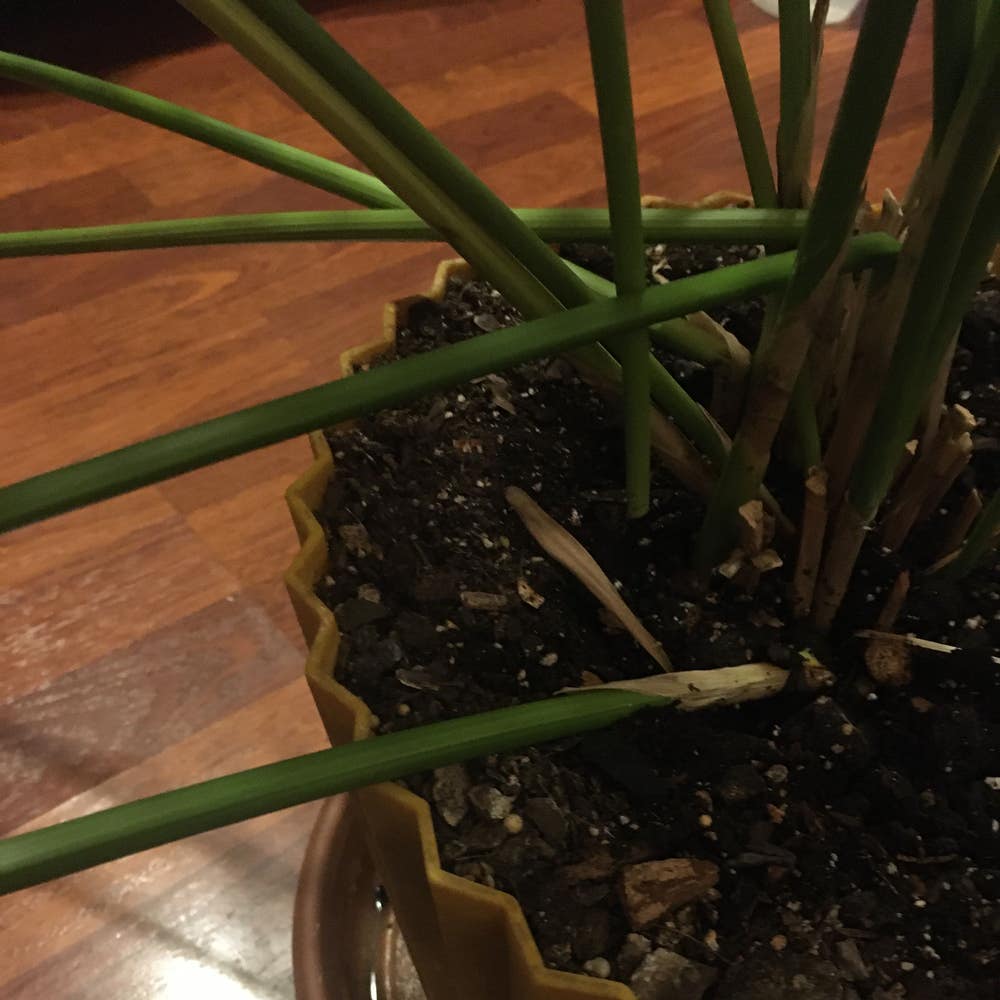
Nut Grass, known for its tenacity, features a rhizomatous root system that plays a crucial role in its growth. Rhizomes are underground stems that allow the plant to spread horizontally, establishing new growth points and enabling rapid colonization of diverse environments.
Characteristics of Nut Grass Roots 🌿
One of the standout characteristics of Nut Grass roots is their ability to spread quickly. This adaptability allows them to thrive in various soil types and conditions, making them a formidable presence in gardens and landscapes.
Additionally, Nut Grass roots exhibit remarkable resilience to drought. Their deep and wide root growth enables the plant to access moisture from deeper soil layers, ensuring survival even in challenging conditions. This resilience is a key factor in their persistence and spread.
As we explore the impact of these root systems, it becomes clear that understanding their growth patterns is essential for effective management and control. Next, we will delve into the typical root depth and spread of Nut Grass, shedding light on how these roots interact with their environment.
Root Depth and Spread
Typical Root Depth 🌱
Nut Grass roots typically reach an average depth of 12 to 24 inches (30 to 60 cm). This depth can vary based on factors like soil type, moisture availability, and competition from other plants.
Growth Patterns and Spread 🌍
The roots of Nut Grass have a remarkable horizontal spread, extending several feet from the main plant. This extensive root system allows Nut Grass to regenerate from even small fragments, making control efforts particularly challenging.
Impact on Surrounding Ecosystems 🌿
The ability of Nut Grass to spread rapidly can significantly affect surrounding plants and ecosystems. Its aggressive growth can outcompete native species for resources, leading to reduced biodiversity in the area.
Understanding these characteristics is crucial for effective management and care practices. As we delve deeper into care practices influenced by these root dynamics, we’ll explore how to maintain healthy growth and mitigate potential issues.
Care Practices Influenced by Roots
🌊 Watering Techniques
To promote robust root growth in Nut Grass, deep watering once a week is recommended. This approach encourages roots to reach deeper into the soil, enhancing their resilience.
Maintaining proper soil moisture levels is crucial. Avoiding waterlogged conditions helps prevent root rot, which can severely impact plant health.
🌱 Fertilization Strategies
Nut Grass thrives with balanced NPK fertilizers, which provide essential nutrients for growth. Applying these fertilizers during early spring and mid-summer ensures optimal nutrient availability.
Timing your fertilization is key to supporting vigorous growth. By aligning fertilization with the plant's active growth periods, you can maximize its potential.
🌳 Best Practices for Transplanting
Transplanting Nut Grass is best done in early spring or fall when temperatures are mild. This timing helps reduce transplant shock and promotes quicker establishment in the new location.
For successful transplanting, follow these steps:
- Prepare the new site with well-draining soil.
- Carefully dig around the root system to minimize damage.
- Replant at the same depth as previously grown.
- Water thoroughly after transplanting.
By adhering to these care practices, you can ensure that your Nut Grass remains healthy and vibrant. This sets the stage for exploring common root-related issues that may arise in your gardening journey.
Common Root-Related Issues
Identifying Problems 🌱
Nut Grass can face several root-related issues that hinder its growth. The most common problems include root rot, pest infestations, and nutrient deficiencies.
Watch for symptoms like wilting, yellowing leaves, and stunted growth. These signs often indicate that something is amiss with the roots.
Solutions 💪
To manage root rot, focus on improving drainage and adjusting your watering practices. Ensuring that the soil is well-draining can significantly reduce the risk of this issue.
For pest control, consider using organic insecticides and beneficial nematodes. These methods are effective and environmentally friendly.
If you suspect nutrient deficiencies, conduct soil testing to identify specific needs. Targeted fertilization can help restore balance and promote healthier growth.
By addressing these common root-related issues promptly, you can enhance the overall health of your Nut Grass. This proactive approach not only supports plant vigor but also contributes to a thriving ecosystem.
Next, let’s explore the indicators of root health to ensure your plants are thriving.
Root Health Indicators
👀 Visual Cues of Healthy Roots
Healthy roots are a gardener's best friend. Look for roots that are white, firm, and free from any foul odors.
These characteristics indicate that the plant is thriving and capable of absorbing nutrients effectively. Strong roots contribute significantly to overall plant vigor, ensuring your Nut Grass remains robust and healthy.
🚨 Signs of Unhealthy Roots
On the flip side, unhealthy roots can spell trouble. Indicators include a brown, mushy texture and a foul smell, which suggest root rot or other issues.
If you notice these signs, it's time to take action. Pruning affected roots, improving soil conditions, and adjusting your care practices can help restore health to your plant.
By keeping a close eye on root health, you can ensure your Nut Grass thrives and contributes positively to your garden. Now, let’s explore how to address rootbound conditions that may arise as your plants grow.
Rootbound Conditions
Definition and Recognition 🌱
Rootbound conditions occur when a plant's roots circle the pot, leading to limited growth space. This can severely hinder the plant's ability to absorb water and nutrients.
Signs that a plant is rootbound include stunted growth, poor water absorption, and visible roots protruding through the drainage holes. If you notice these symptoms, it’s time to take action.
Addressing Rootbound Issues 🛠️
Intervention is crucial when you observe growth stagnation or clear signs of being rootbound.
To alleviate rootbound conditions, follow these steps:
- Carefully remove the plant from its pot.
- Trim any circling roots and loosen the compacted soil.
- Repot the plant in a larger container filled with fresh soil.
By addressing rootbound issues promptly, you can help your plant thrive and regain its vigor. This proactive approach not only enhances growth but also improves overall health, setting the stage for future success.
Next, we will explore propagation and division techniques to further enhance your gardening skills.
Propagation and Division
Importance of Root Health 🌱
Healthy roots are crucial for successful propagation and division of Nut Grass. They ensure that the plant can establish itself quickly in a new location, promoting vigorous growth.
Maintaining root integrity during propagation is essential. It minimizes stress on the plant and increases the chances of survival after division.
Techniques for Dividing ✂️
The best time to divide Nut Grass is during early spring or fall. This timing allows the plant to recover and thrive in its new environment.
To effectively divide Nut Grass, follow these steps:
Dig up the plant carefully to avoid damaging the roots. Use a spade or garden fork to gently lift the plant from the soil.
Use a sharp, clean tool to divide the root ball into sections. This helps prevent disease and encourages healthy growth.
Ensure each section has sufficient roots and shoots. Each division should have a good balance of both to thrive independently.
Replant immediately in suitable conditions. Choose a well-draining soil and water thoroughly to help the new plants establish.
By following these techniques, you can successfully propagate Nut Grass and enjoy its benefits in your garden. This process not only enhances your garden's diversity but also fosters a deeper connection with your plants.
Next, we'll explore common root-related issues that can arise during the care of Nut Grass.
⚠️ Safety First
This content is for general information and may contain errors, omissions, or outdated details. It is not medical, veterinary advice, or an endorsement of therapeutic claims.
Always consult a qualified healthcare professional before using any plant as food, medicine, or supplement.
Never eat any plant (or feed one to pets) without confirming its identity with at least two trusted sources.
If you suspect poisoning, call Poison Control (800) 222-1222, the Pet Poison Helpline (800) 213-6680, or your local emergency service immediately.
Spotted an error? Please report it here.
Master your Nut Grass roots for thriving growth 🌱 with Greg's personalized watering and fertilization tips that keep your garden flourishing!