🌱 Step-by-Step Guide to Nut Grass Growth
Cyperus nutans var. subprolixus
By the Greg Editorial Team
Nov 26, 2024•6 min read
This article was created with the help of AI so we can cover more plants for you. May contain errors. See one? Report it here.
- 🌱 Nut grass thrives in nutrient-rich, moist soils and full sunlight for optimal growth.
- 📏 Mature height ranges from 12 to 48 inches, depending on variety and conditions.
- ✂️ Regular pruning and monitoring are essential for managing nut grass expansion effectively.
Mature Height and Spread
Typical Dimensions 🌱
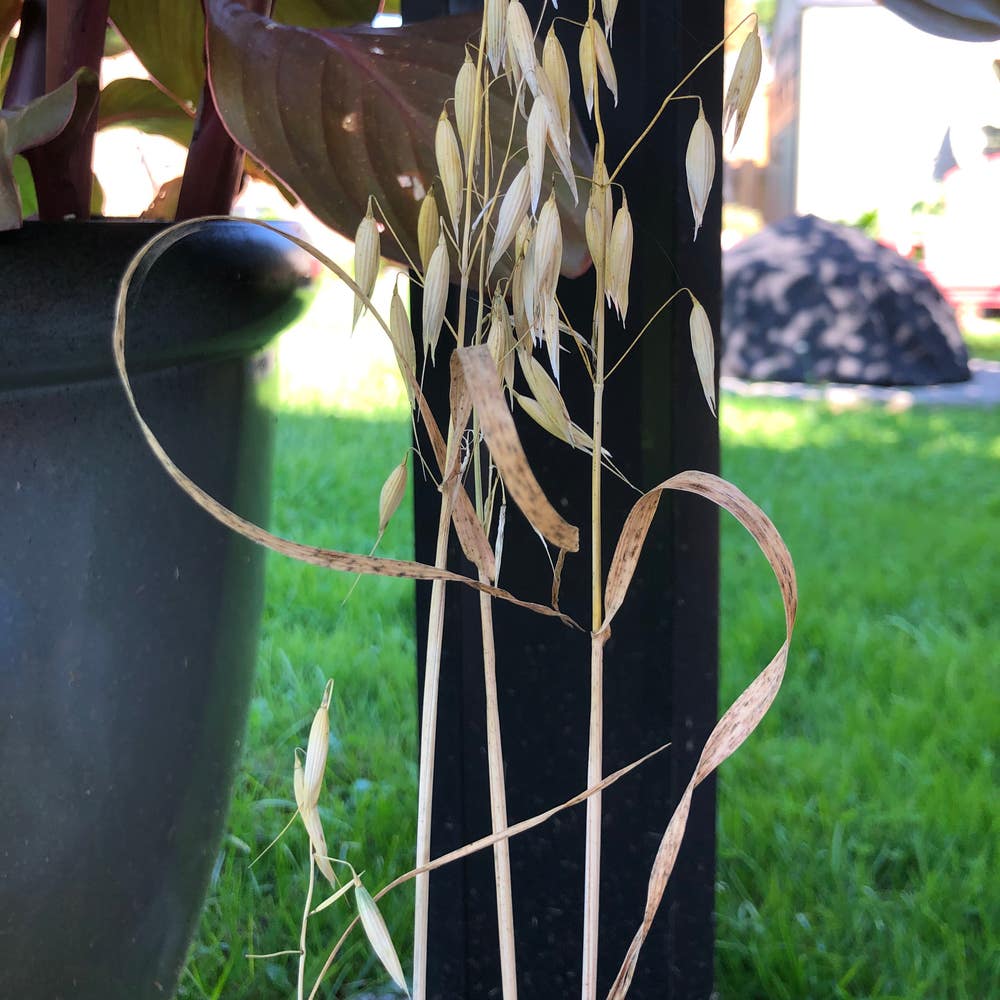
Nut grass is known for its impressive growth, reaching a mature height that typically ranges from 12 to 30 inches. Under optimal conditions, its spread can exceed 24 inches, making it a robust addition to any landscape.
Factors Influencing Size 📏
The height and spread of nut grass can vary significantly based on environmental conditions. Factors such as soil type and moisture levels play a crucial role in determining how tall and wide this grass will grow.
Soil quality is a major player; nutrient-rich soils often yield taller and more expansive growth. Conversely, poor soils may stunt its development, leading to smaller dimensions.
Moisture levels also impact growth. Consistent watering encourages robust growth, while drought conditions can limit height and spread. Understanding these factors can help you manage nut grass effectively in your garden or landscape.
In summary, the size of nut grass is not just a product of its genetics but also a reflection of its growing environment. By paying attention to soil quality and moisture, you can influence its growth to suit your needs.
As we dive deeper into the growth rate and time to maturity, we’ll explore how quickly nut grass can reach its full potential.
Growth Rate and Time to Maturity
🌱 Growth Rate Characteristics
Nut Grass is known for its rapid growth habits, making it a vigorous contender in any garden. Typically, it can reach its mature height within a swift 6 to 12 months, depending on the conditions.
⚙️ Factors Affecting Growth Rate
Several factors can influence how quickly Nut Grass grows.
Soil Quality
The quality of the soil plays a crucial role. Nutrient-rich soils promote faster growth, while poor soils can stunt development.
Moisture Levels
Moisture levels are equally important. Consistent watering encourages robust growth, whereas drought conditions can significantly slow it down.
Sunlight Exposure
Sunlight exposure also affects growth rates. Nut Grass thrives in full sun, but it can still grow in partial shade, albeit at a slower pace.
Understanding these factors can help you optimize the growth of Nut Grass in your garden. By providing the right conditions, you can ensure that this resilient plant reaches its full potential.
Next, we’ll explore how size variability can occur under different environmental conditions.
Size Variability in Different Conditions
🌍 Environmental Impact on Growth
Nut Grass exhibits significant size variability depending on soil type. In nutrient-rich soils, it tends to reach its maximum height and spread, often exceeding 30 inches.
Conversely, in sandy or poor soils, growth can be stunted, resulting in smaller plants. The quality of the soil directly influences the plant's ability to absorb essential nutrients, which in turn affects its overall size.
Climate and weather patterns also play a crucial role in Nut Grass growth. In regions with consistent rainfall and warm temperatures, the grass flourishes, achieving its full potential.
On the other hand, extreme weather conditions, such as drought or excessive rainfall, can hinder growth. These fluctuations can lead to inconsistent sizes across different environments.
🌎 Observations from Different Regions
Case studies reveal fascinating insights into Nut Grass growth across various environments. For instance, in urban areas, where soil is often compacted and less nutrient-dense, Nut Grass may struggle to reach its full height.
In contrast, rural settings with rich, loamy soils allow Nut Grass to thrive, often resulting in taller specimens. This stark difference highlights the adaptability of Nut Grass to its surroundings.
Additionally, urban environments may present unique challenges, such as pollution and limited sunlight. These factors can further influence the size and health of Nut Grass, making it essential for gardeners to consider their specific conditions.
Understanding these regional differences can help you manage Nut Grass effectively, ensuring it remains a vibrant part of your landscape. As we explore the next section, we'll delve into the fascinating world of dwarf and giant Nut Grass varieties.
Dwarf and Giant Varieties
🌱 Dwarf Characteristics
Dwarf varieties of Nut Grass are compact, typically reaching heights of 6 to 12 inches. These smaller plants are perfect for gardeners looking to manage space while still enjoying the unique texture and appearance of Nut Grass.
To maintain their petite stature, dwarf varieties thrive in well-drained soil with moderate moisture. They prefer full sun exposure, which encourages healthy growth without overwhelming the plant.
🏔️ Giant Characteristics
On the other end of the spectrum, giant varieties of Nut Grass can tower between 30 to 48 inches tall. These impressive specimens can create a striking visual impact in larger landscapes or natural settings.
Managing giant Nut Grass requires careful attention to their growth habits. Regular monitoring and strategic pruning can help control their size and prevent them from overtaking surrounding plants.
In summary, whether you opt for dwarf or giant varieties, understanding their unique characteristics and management needs will enhance your gardening experience. Next, we’ll explore effective pruning and size control techniques to keep your Nut Grass thriving.
Pruning and Size Control Techniques
Pruning for Size Management 🌱
Pruning is essential for managing the size of Nut Grass effectively. The best time to prune is during active growth periods, typically in spring or early summer.
Using sharp, clean shears ensures that cuts are clean and minimize damage to the plant. This practice promotes healthier regrowth and reduces the risk of disease.
Techniques for Effective Pruning
- Selective Cutting: Focus on taller stems to encourage bushier growth. This method helps maintain a more compact shape.
- Regular Trimming: Consistent trimming is key to keeping Nut Grass at your desired height and spread. Aim for a routine schedule to prevent overgrowth.
Other Size Control Methods 📏
In addition to pruning, there are other effective methods to control Nut Grass size.
- Use of Barriers: Installing physical barriers can limit the spread of Nut Grass. This is particularly useful in garden beds or landscaped areas.
- Herbicides: While herbicides can be effective for invasive control, they should be used with caution. Always follow label instructions and consider the impact on surrounding plants.
- Monitoring Growth: Regularly check your Nut Grass to prevent over-expansion. Early intervention can save you from larger issues down the line.
By implementing these pruning and size control techniques, you can maintain a healthy and manageable Nut Grass population in your garden. Next, we will explore the fascinating world of dwarf and giant varieties, highlighting their unique characteristics and care requirements.
⚠️ Safety First
This content is for general information and may contain errors, omissions, or outdated details. It is not medical, veterinary advice, or an endorsement of therapeutic claims.
Always consult a qualified healthcare professional before using any plant as food, medicine, or supplement.
Never eat any plant (or feed one to pets) without confirming its identity with at least two trusted sources.
If you suspect poisoning, call Poison Control (800) 222-1222, the Pet Poison Helpline (800) 213-6680, or your local emergency service immediately.
Spotted an error? Please report it here.
Transform your garden with thriving nut grass 🌿 by using Greg's tailored care tips and watering reminders to help your plants flourish!