🚫 Mallow: An Invasive Plant
Malva spp.
By the Greg Editorial Team
Aug 24, 2024•6 min read
This article was created with the help of AI so we can cover more plants for you. May contain errors. See one? Report it here.
Protect our ecosystems from invasive mallow's threat 🌱—understand its impact and learn effective management strategies! 🌍
- 🌱 Mallow is an invasive species, disrupting ecosystems with its rapid spread.
- 🌼 Identify Mallow by its broad leaves and hibiscus-like flowers in pink or purple.
- 🚫 Control Mallow through manual removal or careful herbicide application to protect biodiversity.
Plant Classification
Definition of Weeds and Invasive Species 🌱
Weeds are unwanted plants that invade cultivated areas, competing fiercely with crops for essential resources. Invasive species, on the other hand, are non-native plants that spread aggressively, disrupting local ecosystems and threatening biodiversity.
Criteria for Classifying Mallow as Invasive 🚫
Mallow is classified as invasive due to its rapid spread, easily colonizing new areas. Its competitive nature allows it to outcompete native plants for vital resources like light, water, and nutrients, leading to significant ecological impacts that alter habitats and reduce biodiversity.
Understanding these classifications helps us grasp the challenges posed by Mallow and similar invasive species. By recognizing their traits, we can better appreciate the urgency of managing their spread.
Identification
Key Identifying Features 🌿
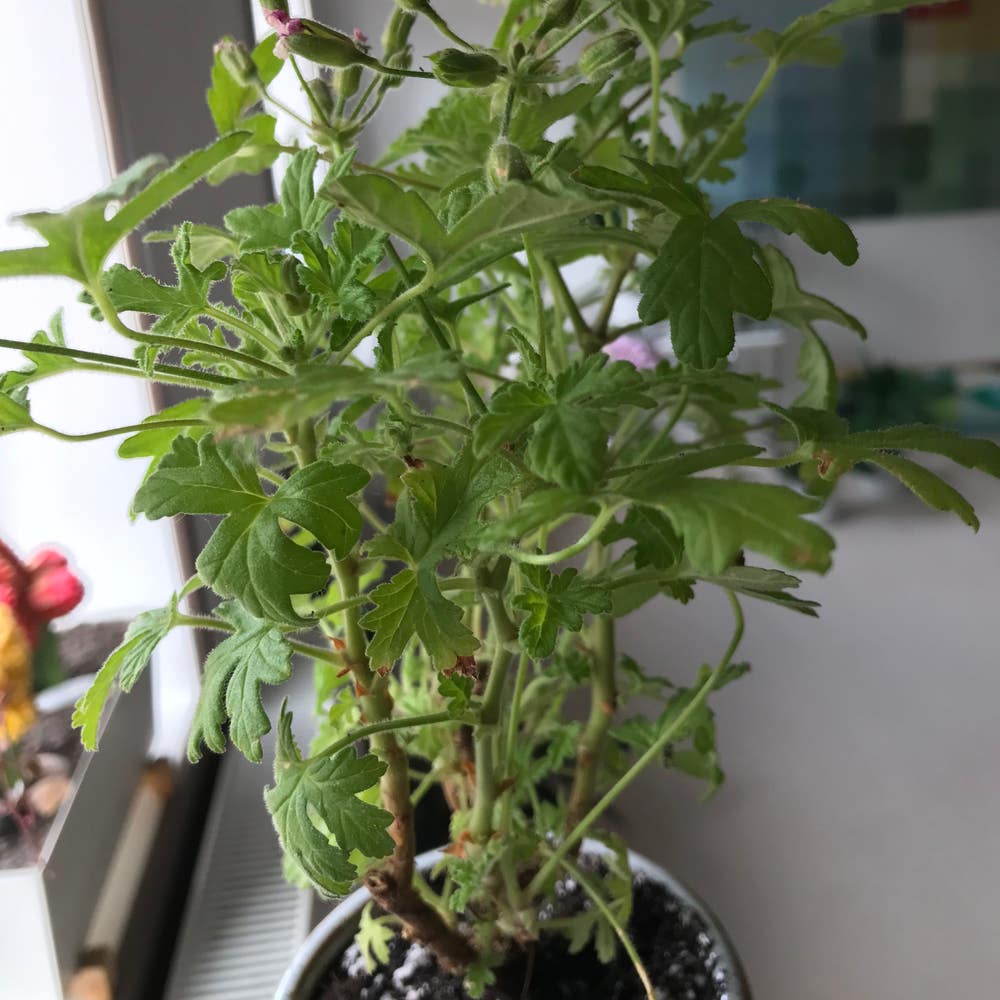
Mallow is easily recognized by its broad, lobed leaves that have a palmate shape. These distinctive features make it stand out in any landscape.
The flowers are particularly eye-catching, resembling hibiscus blooms in shades of pink or purple. Their showy appearance can draw attention, but they signal an invasive threat.
Mallow typically grows upright, reaching heights of 1 to 3 feet. This growth habit allows it to dominate over other plants in its vicinity.
Look-Alike Plants and Distinguishing Characteristics 👀
One common look-alike is hibiscus, which shares a similar flower shape. However, hibiscus flowers are generally larger and have a more tropical appearance.
Other members of the Malvaceae family may also resemble mallow. Key differences lie in their leaf shapes and flower colors, making careful observation essential for accurate identification.
Understanding these characteristics can help you recognize mallow in the wild and take appropriate action against its spread.
As we delve deeper into mallow's growth habits and spread, you'll see how these identifying features play a crucial role in managing this invasive plant.
Growth Habits and Spread
Typical Growth Patterns 🌱
Mallow is known for its rapid growth, often reaching maturity within a single season. Depending on environmental conditions, it can be classified as either an annual or biennial plant.
Reproductive Strategies and Methods of Spread 🌼
This invasive plant boasts a high reproductive capacity, producing numerous seeds that can remain viable for several years. Additionally, mallow can spread through vegetative propagation, allowing it to thrive even when conditions are less than ideal.
Environmental Conditions Favoring Success ☀️
Mallow thrives in disturbed, nutrient-rich soils, making it a common sight in gardens and agricultural areas. It prefers full sun but can tolerate partial shade, which further enhances its ability to colonize various environments.
Understanding these growth habits and spread mechanisms is crucial for effective management. By recognizing how mallow proliferates, we can better strategize on controlling its invasion and protecting native ecosystems.
Ecological Impact
🌱 Effects on Native Plant Communities
Mallow's aggressive growth significantly reduces biodiversity by outcompeting native plants for essential resources like light, water, and nutrients. This competition can lead to the decline of local flora, disrupting established ecosystems.
Habitat alteration is another critical concern. Mallow changes soil composition and moisture levels, creating an environment that favors its own growth while hindering the survival of native species.
🦋 Impact on Wildlife and Biodiversity
The disruption of food webs is a serious consequence of Mallow's invasion. By altering habitats, it affects native insects and animals that rely on specific plants for food and shelter.
Additionally, some Mallow species may pose potential toxicity risks to livestock. This not only threatens agricultural practices but also raises concerns for wildlife that may inadvertently consume these plants.
Understanding these ecological impacts is crucial for effective management and control of Mallow. By recognizing the threats it poses, we can take proactive steps to protect our native ecosystems.
Control and Management
🌱 Manual Removal Techniques
Manual removal is a straightforward yet effective method for controlling Mallow.
- Hand-pulling: This technique is best executed before the plant sets seed, making it a proactive approach.
- Tools: For larger infestations, using hoes or shovels can significantly ease the workload.
- Disposal: Proper disposal of removed plants is crucial to prevent re-establishment in the area.
🧪 Chemical Control Options and Best Practices
Chemical control can be effective when manual methods fall short.
- Herbicides: Select the right types and follow recommended application methods for optimal results.
- Timing: Apply herbicides at the best times to maximize their effectiveness, usually during the plant's active growth phase.
- Safety precautions: Always wear protective gear and consider environmental impacts when using chemicals.
🦠 Biological Control Methods and Their Effectiveness
Biological control offers a more natural approach to managing Mallow.
- Natural predators: Introducing species that feed on Mallow can help keep its population in check.
- Limitations: However, finding effective biological control agents can be challenging, and results may vary.
🚫 Preventive Measures to Limit Spread
Prevention is key in managing invasive species like Mallow.
- Regular monitoring: Early detection of new infestations can make a significant difference in control efforts.
- Landscape management: Implementing practices that promote native plant growth can help outcompete Mallow and limit its spread.
⏱️ Importance of Early Detection and Rapid Response
Acting quickly is essential in the fight against Mallow.
- Strategies: Develop strategies for quick identification and action to prevent establishment in new areas.
- Community involvement: Engaging local groups in monitoring efforts can amplify the impact of control measures.
By combining these methods, you can effectively manage Mallow and protect local ecosystems. Next, we’ll explore the legal status surrounding this invasive plant and the regulations that govern its control.
Legal Status
Laws and Regulations 🌍
Understanding the legal framework surrounding invasive species is crucial for effective management. Both local and national regulations exist to control the spread of invasive plants like Mallow.
Many regions have specific laws that prohibit the cultivation and transport of invasive species. These regulations aim to protect native ecosystems from the aggressive spread of plants that can disrupt local biodiversity.
Requirements for Removal or Control 🛠️
Landowners and managers play a vital role in controlling Mallow infestations. Guidelines often recommend proactive measures, such as manual removal and monitoring.
In addition, reporting new infestations is essential for effective management. Many jurisdictions require landowners to notify local authorities about sightings to help coordinate control efforts.
By staying informed and compliant with these regulations, communities can work together to mitigate the impact of Mallow and protect their natural landscapes.
As we move forward, let’s explore the potential benefits or uses of this invasive plant, despite its challenges.
Potential Benefits or Uses
📜 Historical Uses
Mallow has a rich history of traditional medicinal applications. Various cultures have utilized its leaves and flowers for their soothing properties, often in teas or poultices.
In addition to medicinal uses, Mallow has culinary significance. People have incorporated its young leaves and flowers into salads and dishes, celebrating its mild flavor.
🔍 Current Beneficial Uses
Today, Mallow finds limited applications in herbal remedies. Some herbalists still value it for its potential health benefits, though these uses are overshadowed by its invasive nature.
In landscaping, Mallow may occasionally be used for ground cover. However, the negative impacts of its aggressive spread often outweigh any benefits, making careful management essential.
While Mallow has historical and some current uses, its invasive characteristics pose significant challenges. Understanding these aspects helps us appreciate the complexity of this plant and the need for responsible management.
⚠️ Safety First
This content is for general information and may contain errors, omissions, or outdated details. It is not medical, veterinary advice, or an endorsement of therapeutic claims.
Always consult a qualified healthcare professional before using any plant as food, medicine, or supplement.
Never eat any plant (or feed one to pets) without confirming its identity with at least two trusted sources.
If you suspect poisoning, call Poison Control (800) 222-1222, the Pet Poison Helpline (800) 213-6680, or your local emergency service immediately.
Spotted an error? Please report it here.
Combat the invasive Mallow 🌱 with Greg's plant identification tools, empowering you to protect your garden and local ecosystems effectively!