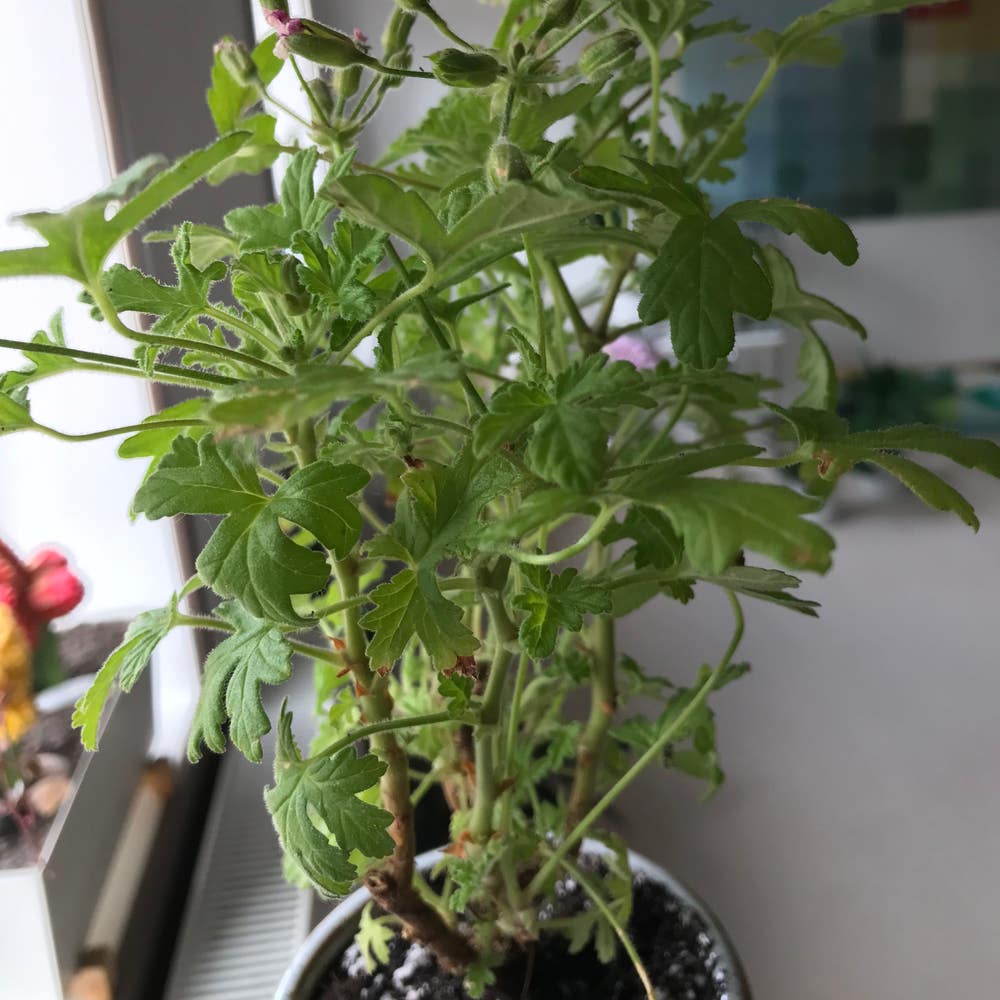
Best Tips for Dealing with Leaves Falling Over on Mallow 🍃
Malva spp.
By the Greg Editorial Team
Aug 24, 2024•6 min read
This article was created with the help of AI so we can cover more plants for you. May contain errors. See one? Report it here.
Transform your mallow into a thriving beauty 🌱 with essential care tips and solutions for common issues! 🌼
- ☀️ Mallow needs 6-8 hours of sunlight daily to prevent stretching and falling leaves.
- 🌱 Well-drained, loamy soil with proper pH prevents root rot and supports healthy growth.
- 🐞 Early pest detection is crucial; monitor for aphids and spider mites regularly.
Diagnosing the Problem
🌞 Environmental Factors Affecting Mallow
Light Requirements
Mallow thrives in full sun to partial shade, needing about 6-8 hours of sunlight daily. If you notice your plants stretching towards the light source, it’s a clear sign they’re not getting enough.
Soil Conditions
Well-drained soil is crucial for mallow to prevent root rot. Aim for a soil pH between 6.0 and 7.0 to ensure optimal nutrient uptake.
Temperature and Humidity
The ideal temperature range for mallow is between 15°C to 25°C (59°F to 77°F). Moderate humidity levels are preferred, so keep an eye on your environment.
🐛 Common Pests and Diseases Impacting Mallow Leaves
Aphids
Aphids can be a nuisance, leaving a sticky residue and curling leaves as symptoms. Control them using insecticidal soap or by introducing natural predators.
Spider Mites
Look out for fine webbing and stippled leaves, which indicate spider mite infestations. Increasing humidity and applying miticides can help manage these pests.
Root Rot
If your mallow is wilting despite adequate watering, root rot might be the culprit. This condition often arises from overwatering or poor drainage, so adjust your watering habits accordingly.
Understanding these environmental factors and common pests is essential for keeping your mallow healthy. With this knowledge, you can take proactive steps to ensure your plants thrive. Next, let’s explore preventive measures to maintain optimal conditions for your mallow.
Preventive Measures
Proper Watering Techniques for Mallow 💧
Watering your mallow correctly is crucial for its health. Check the soil moisture regularly; water when the top inch is dry to the touch.
Avoid waterlogging by ensuring that your pots have adequate drainage holes. Overwatering can lead to yellowing leaves and soggy soil that stays wet for too long.
Ideal Soil Conditions for Mallow 🌱
Mallow thrives in well-draining loamy soil, which is essential for proper aeration. This type of soil allows roots to breathe and prevents issues like root rot.
Consider adding compost to enhance nutrient content and improve drainage. This simple amendment can make a significant difference in your plant's overall health.
Light Requirements for Healthy Mallow Growth ☀️
Mallow plants prefer full sun to partial shade, so adjust their placement based on the specific variety you have, whether it's Common Mallow or Musk Mallow.
Watch for signs of inadequate light, such as leaf stretching and poor flowering, which indicate that your plant may need more sunlight to thrive.
By following these preventive measures, you can set your mallow up for success. Next, we’ll explore treatment options to address any issues that may arise.
Treatment Options
How to Treat Overwatered Mallow 🌧️
Assess Soil Moisture: Start by checking the soil moisture. Use a moisture meter or simply stick your finger into the soil to gauge its wetness.
Adjust Watering Schedule: If the soil feels soggy, it's time to cut back on watering. Reduce the frequency until the soil has a chance to dry out.
Improve Drainage: If overwatering persists, consider repotting your Mallow. Use fresh, well-draining soil to help prevent future issues.
Solutions for Under-Fertilized Mallow 🌱
Identify Nutrient Deficiency: Look for signs like pale leaves or stunted growth. These can indicate that your Mallow isn't getting enough nutrients.
Apply Balanced Fertilizer: Use a slow-release fertilizer every 4-6 weeks during the growing season. This will provide a steady supply of nutrients.
Monitor Plant Response: Keep an eye on your Mallow after fertilization. Look for improvements in leaf color and overall growth to ensure it's thriving.
Pest Control Methods for Mallow 🐞
Regular Inspections: Make it a habit to check the undersides of leaves for pests. Early detection can save your plant from significant damage.
Organic Pest Control Options: Consider using neem oil or insecticidal soap. These options are effective and less harmful to beneficial insects.
Encouraging Beneficial Insects: Attract ladybugs and lacewings to your garden. These natural predators can help keep aphid populations in check.
By addressing overwatering, nutrient deficiencies, and pest issues, you can ensure your Mallow remains healthy and vibrant. Next, let’s explore seasonal care techniques to keep your Mallow thriving throughout the year.
Seasonal Care for Mallow
🌱 Adjusting Care During Different Seasons
Caring for Mallow requires a seasonal approach to ensure it thrives year-round.
Spring
As growth resumes, adjust your fertilization and watering routines. This is the time to give your Mallow the nutrients it craves.
Summer
With the heat ramping up, increase your watering frequency. Mallow loves moisture but be cautious not to overdo it.
Fall
Prepare your Mallow for dormancy by reducing both watering and fertilization. This helps the plant conserve energy for the colder months ahead.
Winter
Protect your Mallow from frost by mulching and covering it if necessary. This insulation keeps the roots safe during chilly nights.
❄️ Preparing Mallow for Winter
Winter preparation is crucial for the health of your Mallow.
Pruning
Start by cutting back any dead or damaged stems. This not only tidies up the plant but also encourages healthier growth come spring.
Mulching
Apply a layer of mulch around the base to insulate the roots. This simple step can make a significant difference in how well your Mallow survives the winter.
By following these seasonal care tips, you can ensure your Mallow remains vibrant and healthy throughout the year. Next, let’s explore best practices for maintaining Mallow health.
Best Practices for Mallow Health
🌱 Regular Maintenance Tips for Mallow
Maintaining your Mallow requires a consistent approach. Establish a routine for checking soil moisture and watering, using tools like the Greg plant care app to set reminders.
Fertilization is equally important. Aim for a monthly schedule during the growing season to keep your Mallow thriving and vibrant.
🍃 Signs of a Healthy Mallow Plant
A healthy Mallow showcases vibrant green leaves, free from discoloration or droop. This indicates that your plant is receiving the right care and nutrients.
Look for robust growth, characterized by strong stems and abundant flowering. These are clear signs that your Mallow is flourishing.
Lastly, monitor for resilience to pests. A healthy Mallow will show minimal signs of infestation or damage, reflecting its overall well-being.
By following these best practices, you can ensure your Mallow remains healthy and beautiful throughout its growing season. Next, let’s explore how to adjust care during different seasons for optimal growth.
⚠️ Safety First
This content is for general information and may contain errors, omissions, or outdated details. It is not medical, veterinary advice, or an endorsement of therapeutic claims.
Always consult a qualified healthcare professional before using any plant as food, medicine, or supplement.
Never eat any plant (or feed one to pets) without confirming its identity with at least two trusted sources.
If you suspect poisoning, call Poison Control (800) 222-1222, the Pet Poison Helpline (800) 213-6680, or your local emergency service immediately.
Spotted an error? Please report it here.
Keep your mallow vibrant and healthy 🌿 by using Greg's tailored reminders for sunlight, watering, and pest control to ensure your plants thrive all year round!