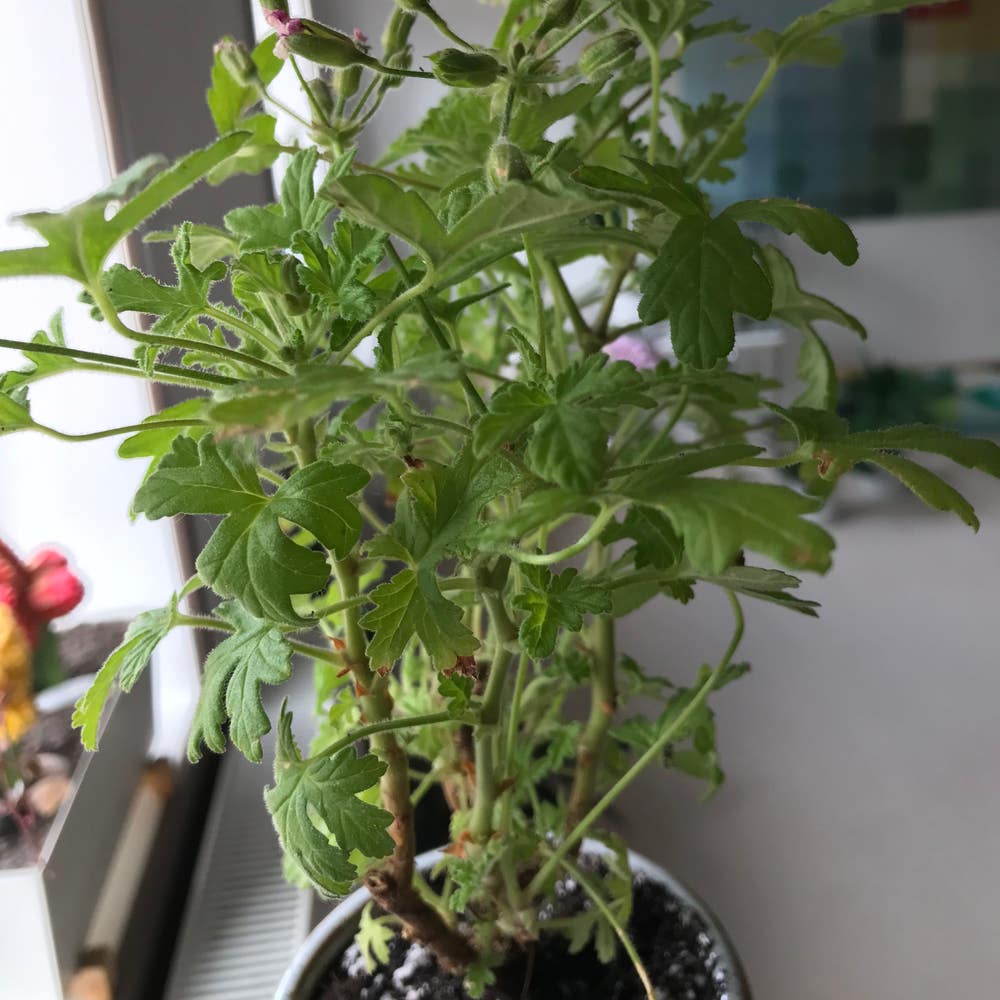
📏 How Big Your Mallow Can Get
Malva spp.
By the Greg Editorial Team
Aug 24, 2024•5 min read
This article was created with the help of AI so we can cover more plants for you. May contain errors. See one? Report it here.
Master mallow growth dimensions 🌱 to create a stunning garden with vibrant blooms and lush foliage!
- 🌱 Mallow can grow 2 to 6 feet tall, depending on variety and care.
- 🌞 Full sun and consistent moisture are essential for optimal mallow growth.
- 🌿 Choose the right variety for your garden's size and aesthetic goals.
Mature Height and Spread
Height 🌱
Mallow plants typically reach heights between 2 to 6 feet, depending on the variety you choose. Several factors influence this height, including species-specific traits and growing conditions like soil quality, sunlight, and water availability.
Spread 🌿
When it comes to spread, mallow can vary from 1 to 3 feet wide. This variation is influenced by the specific species and care practices, such as spacing and pruning techniques you employ in your garden.
Understanding these dimensions is crucial for planning your garden layout. Whether you're aiming for a lush, full look or a more controlled arrangement, knowing how tall and wide your mallow can grow will help you make informed decisions.
Next, let’s explore the growth rate of mallow and what you can expect as your plants mature.
Growth Rate
Rate 🌱
Mallow is known for its relatively fast growth rate, making it a favorite among gardeners. Typically, it takes about 1 to 2 years to reach maturity, allowing you to enjoy its beauty sooner than many other plants.
Factors Affecting Growth Rate 🌿
Several factors can influence how quickly your mallow grows.
Soil Quality 🏵️
Nutrient-rich soil is essential for optimal growth. Poor soil can stunt development, so consider enriching it with organic matter.
Water Availability 💧
Consistent moisture is crucial. Both overwatering and underwatering can hinder growth, so find that sweet spot for your plants.
Sunlight Exposure ☀️
Mallow thrives in full sun, ideally receiving 6 to 8 hours of sunlight daily. Insufficient light can lead to leggy growth, which may not be as visually appealing.
Understanding these factors can help you create the perfect environment for your mallow to flourish. With the right care, you’ll be rewarded with vibrant blooms and lush foliage in no time!
Next, let’s explore how size can vary significantly among different mallow species.
Size Variability
🌱 Variability by Species
Mallow plants come in a variety of species, each with its own unique dimensions. Understanding these differences can help you choose the right type for your garden.
🐥 Dwarf Varieties
Dwarf Mallow varieties typically reach heights of 1 to 2 feet. These compact plants are perfect for smaller gardens or container planting, allowing you to enjoy their beauty without overwhelming your space.
🦒 Giant Varieties
On the other end of the spectrum, giant Mallow varieties can exceed 6 feet in height. These impressive plants make a bold statement and are ideal for creating focal points in larger landscapes.
🎯 Choosing the Right Variety
When selecting a Mallow, consider your garden's size and your aesthetic goals. Whether you opt for a dwarf or giant variety, each brings its own charm and character to your outdoor space.
⏳ Transition to Growth Rate
Now that you understand the size variability among Mallow species, let's explore their growth rate and how quickly you can expect them to reach maturity.
Influence of Growing Conditions
Soil Type 🌱
Nutrient-rich, well-drained soil is crucial for optimal mallow growth. If the soil is poor, it can stunt growth and significantly reduce the plant's size.
Sunlight Requirements ☀️
Mallow thrives in full sun, requiring 6 to 8 hours of sunlight daily to achieve maximum height and spread. Without sufficient sunlight, plants may become leggy and their dimensions will suffer.
Watering Practices 💧
Consistent moisture is key for healthy mallow growth. Both overwatering and underwatering can negatively impact the plant's size, so finding the right balance is essential.
Climate Considerations 🌡️
The native regions of mallow and its adaptability to different climates play a significant role in its growth habits. Warmer climates often promote faster growth and larger sizes, making them ideal for cultivating robust mallow plants.
Understanding these growing conditions can help you create the perfect environment for your mallow. With the right care, you can enjoy a thriving garden filled with vibrant blooms.
Size Control Techniques
🌿 Pruning Methods
Pruning is essential for managing the size of your mallow. The best time to prune is early spring, just before new growth begins.
Pinching back the tips of the stems encourages a bushier appearance. This technique not only controls height but also promotes a fuller plant.
🌍 Environmental Adjustments
Adjusting your plant's environment can significantly influence its size. Modifying light exposure and watering schedules helps manage growth effectively.
Soil amendments can also enhance growth conditions. Adding organic matter improves nutrient availability and drainage, leading to healthier plants.
🌱 Fertilization Practices
Using the right fertilizers is crucial for promoting healthy growth. Look for balanced fertilizers that provide essential nutrients.
Timing and frequency matter too. Fertilizing during the growing season, typically every 4-6 weeks, ensures your mallow reaches its optimal size.
By implementing these size control techniques, you can enjoy a thriving mallow that fits perfectly in your garden. Next, let’s explore some common misconceptions about mallow sizes and growth expectations.
Common Misconceptions
🧙♂️ Myths
When it comes to mallow, there are several myths that can mislead gardeners. One common misconception is that all mallow varieties will reach towering heights; in reality, sizes can vary significantly based on the species.
Another myth is that dwarf varieties are just mini versions of their larger counterparts. While they are shorter, they often have unique growth habits and care requirements that differ from giant varieties.
🎯 Setting Expectations
Setting realistic expectations is crucial for successful gardening. Understanding the specific species you’re working with can help you predict its mature height and spread more accurately.
It's also essential to consider growing conditions. Factors like soil quality, sunlight, and water availability play a significant role in how big your mallow can actually get. By recognizing these individual plant needs, you can cultivate a thriving garden that meets your expectations.
As you dive deeper into mallow care, you'll find that informed decisions lead to rewarding results. Next, let’s explore how various growing conditions can influence the size of your mallow plants.
⚠️ Safety First
This content is for general information and may contain errors, omissions, or outdated details. It is not medical, veterinary advice, or an endorsement of therapeutic claims.
Always consult a qualified healthcare professional before using any plant as food, medicine, or supplement.
Never eat any plant (or feed one to pets) without confirming its identity with at least two trusted sources.
If you suspect poisoning, call Poison Control (800) 222-1222, the Pet Poison Helpline (800) 213-6680, or your local emergency service immediately.
Spotted an error? Please report it here.
Unlock your mallow's maximum growth 🌿 with Greg's tailored watering reminders and nutrient tips, ensuring your garden flourishes beautifully!