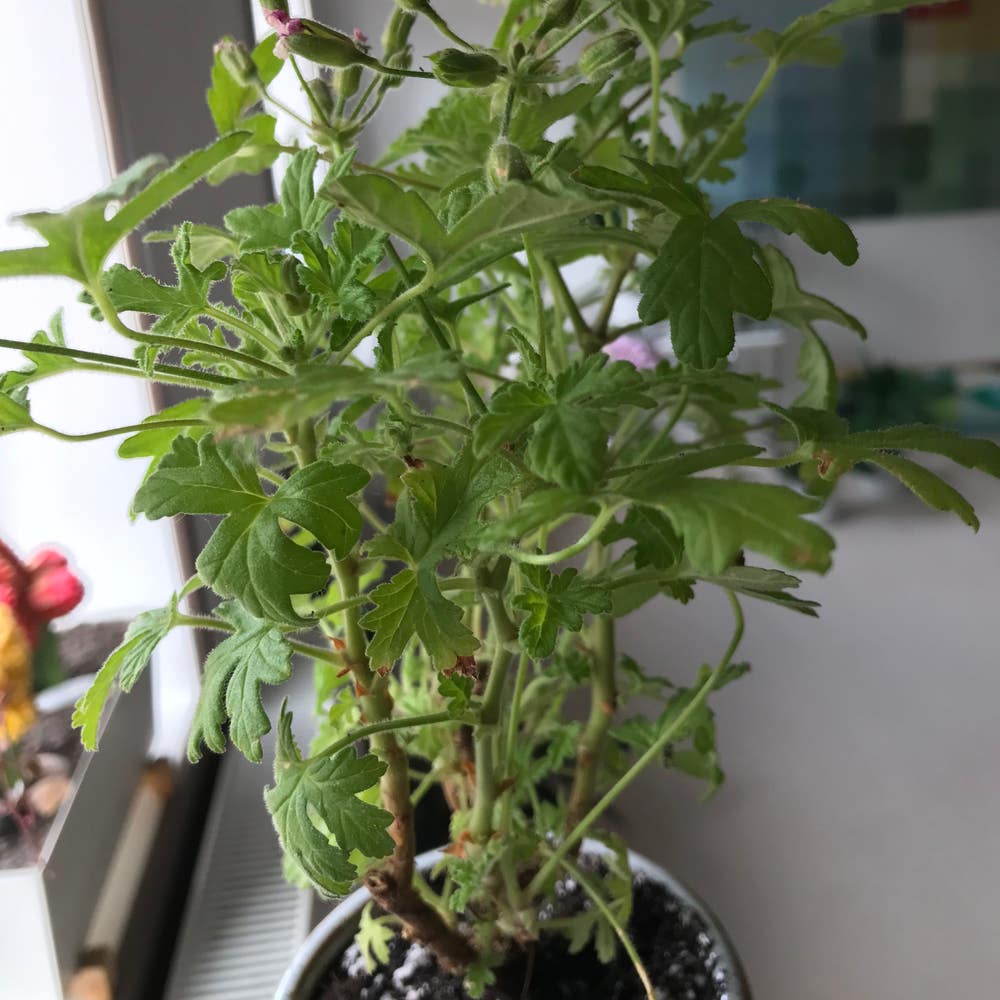
What to Do About Curling Leaves on Your Mallow 🐛
Malva spp.
By the Greg Editorial Team
Aug 24, 2024•5 min read
This article was created with the help of AI so we can cover more plants for you. May contain errors. See one? Report it here.
Revive your mallow's vitality 🌱 by learning to diagnose and treat curling leaves with expert tips!
- 🌡️ Maintain temperatures between 18°C to 24°C to prevent mallow leaf curling.
- 💧 Humidity levels of 40%-60% are crucial; low humidity causes crispy edges.
- 🐜 Check for pests like aphids and spider mites; they contribute to curling leaves.
Causes of Curling Leaves
🌪️ Environmental Stress Factors
Temperature Fluctuations
Mallow thrives best in temperatures between 18°C to 24°C (65°F to 75°F). When temperatures stray from this range, you'll notice symptoms like leaf curling and discoloration.
Humidity Levels
Humidity plays a crucial role in mallow health. The optimal humidity level is between 40% to 60%; anything lower can lead to crispy leaf edges and inward curling.
🐞 Pests Affecting Mallow
Aphids
Aphids are small, soft-bodied insects, often green or black. They feed on plant sap, causing leaves to curl and yellow.
Spider Mites
Spider mites are tiny, spider-like creatures typically found on the undersides of leaves. Their feeding creates fine webbing and stippling, resulting in curling leaves.
🦠 Diseases That Cause Leaf Curl
Viral Infections
Viral infections can lead to distorted growth, curling leaves, and discoloration. The Mallow mosaic virus is a common culprit.
Fungal Issues
Fungal infections can cause leaf spots and curling. Powdery mildew is a frequent offender that affects the leaf structure.
🌱 Nutrient Deficiencies
Nitrogen Deficiency
A lack of nitrogen results in yellowing leaves, stunted growth, and curling. Nitrogen is essential for healthy foliage development.
Potassium Deficiency
Potassium deficiency manifests as leaf curling, browning edges, and poor fruit development. This nutrient is vital for overall plant health and stress resistance.
Understanding these causes is essential for diagnosing and treating curling leaves on your mallow. Next, we’ll explore how to effectively diagnose these issues.
Diagnosing Curling Leaves
Identifying Symptoms of Leaf Curl 🌿
Curling leaves can manifest in two primary ways: inward curling and outward curling. Inward curling often indicates environmental stress, while outward curling may signal pest issues or nutrient deficiencies.
Color changes are also crucial in diagnosing the problem. Yellowing leaves might suggest nutrient deficiencies, while browning could indicate overwatering or pest damage.
Differentiating Between Pest Damage and Disease 🐛
To distinguish between pest damage and disease, look for specific characteristics. Pest damage often includes visible insects and sticky residue on leaves, indicating sap-sucking pests like aphids.
In contrast, diseases typically present with leaf spots, wilting, and an overall decline in plant health. Recognizing these signs early can help you take appropriate action.
Assessing Environmental Conditions 🌡️
Environmental conditions play a significant role in leaf health. Start by checking temperature and humidity levels; Mallow thrives in temperatures between 18°C to 24°C (65°F to 75°F) and optimal humidity of 40% to 60%.
Additionally, evaluate sunlight exposure. Mallow requires 6-8 hours of direct sunlight daily to flourish, so ensure it's getting enough light for healthy growth.
Understanding these diagnostic factors will empower you to tackle curling leaves effectively. Next, let’s explore treatment options to restore your Mallow to its vibrant state.
Treatment Options
🌱 Organic Pest Control Methods
When it comes to keeping your mallow healthy, organic pest control methods are a great first line of defense. Neem oil is particularly effective against aphids and spider mites, disrupting their life cycle without harming beneficial insects.
Another option is insecticidal soap, which is safe for mallow and targets soft-bodied pests. This method is straightforward and can be easily applied, making it a favorite among gardeners.
🧪 Chemical Treatments for Pests and Diseases
For more severe infestations, you might need to consider systemic insecticides. These penetrate the plant and provide long-lasting protection against pests, but use them judiciously to avoid harming beneficial insects.
If your mallow is suffering from fungal infections, fungicides can be a targeted solution. Choose a product that specifically addresses the type of fungus affecting your plant for the best results.
💧 Adjusting Watering Practices
Watering practices play a crucial role in mallow health. Aim to allow the soil to dry slightly between waterings, which helps prevent root rot and other moisture-related issues.
Be on the lookout for signs of overwatering, such as wilting, yellowing leaves, or even root rot. Adjusting your watering schedule can make a significant difference in your plant's vitality.
🌾 Soil Amendments for Nutrient Deficiencies
To combat nutrient deficiencies, consider adding nitrogen-rich fertilizers like blood meal or fish emulsion. These amendments are essential for promoting lush, green foliage.
For potassium deficiencies, sources like kelp meal or potassium sulfate can help. These nutrients are vital for overall plant health and stress resistance, ensuring your mallow thrives.
With these treatment options in hand, you can effectively address the curling leaves on your mallow. Next, let’s explore preventive measures to keep your plants healthy and vibrant.
Preventive Measures
Best Practices for Care 🌱
Regular fertilization is key to keeping your mallow healthy. Use a balanced NPK fertilizer every 4-6 weeks during the growing season to ensure optimal growth.
Pruning is another essential practice. By removing dead or damaged leaves, you promote better airflow, which can help prevent diseases.
Regular Monitoring for Pests and Diseases 🔍
Conduct weekly inspections of your plants. Look for any signs of pests or diseases to catch issues early.
Early intervention is crucial. Treating problems promptly can prevent them from escalating into more significant challenges.
Optimal Growing Conditions ☀️
Ensure your mallow receives adequate sunlight exposure. Ideally, they should bask in 6-8 hours of direct sunlight daily.
Soil composition matters too. Aim for well-draining, nutrient-rich soil with a pH between 6.0 and 7.0 to support healthy growth.
Seasonal Care Adjustments 🌦️
Adjust your watering frequency based on the season. During dry spells, your mallow may need more water, while rainy seasons may require less.
Protect your plants from extreme temperatures. Using mulch or shade cloth can help shield them from harsh conditions, ensuring they thrive year-round.
By following these preventive measures, you can create a robust environment for your mallow, reducing the risk of curling leaves and other issues. Next, let’s explore treatment options if problems do arise.
⚠️ Safety First
This content is for general information and may contain errors, omissions, or outdated details. It is not medical, veterinary advice, or an endorsement of therapeutic claims.
Always consult a qualified healthcare professional before using any plant as food, medicine, or supplement.
Never eat any plant (or feed one to pets) without confirming its identity with at least two trusted sources.
If you suspect poisoning, call Poison Control (800) 222-1222, the Pet Poison Helpline (800) 213-6680, or your local emergency service immediately.
Spotted an error? Please report it here.
Keep your mallow thriving 🌿 by using Greg's tailored care tips and reminders to tackle curling leaves and ensure optimal growth!