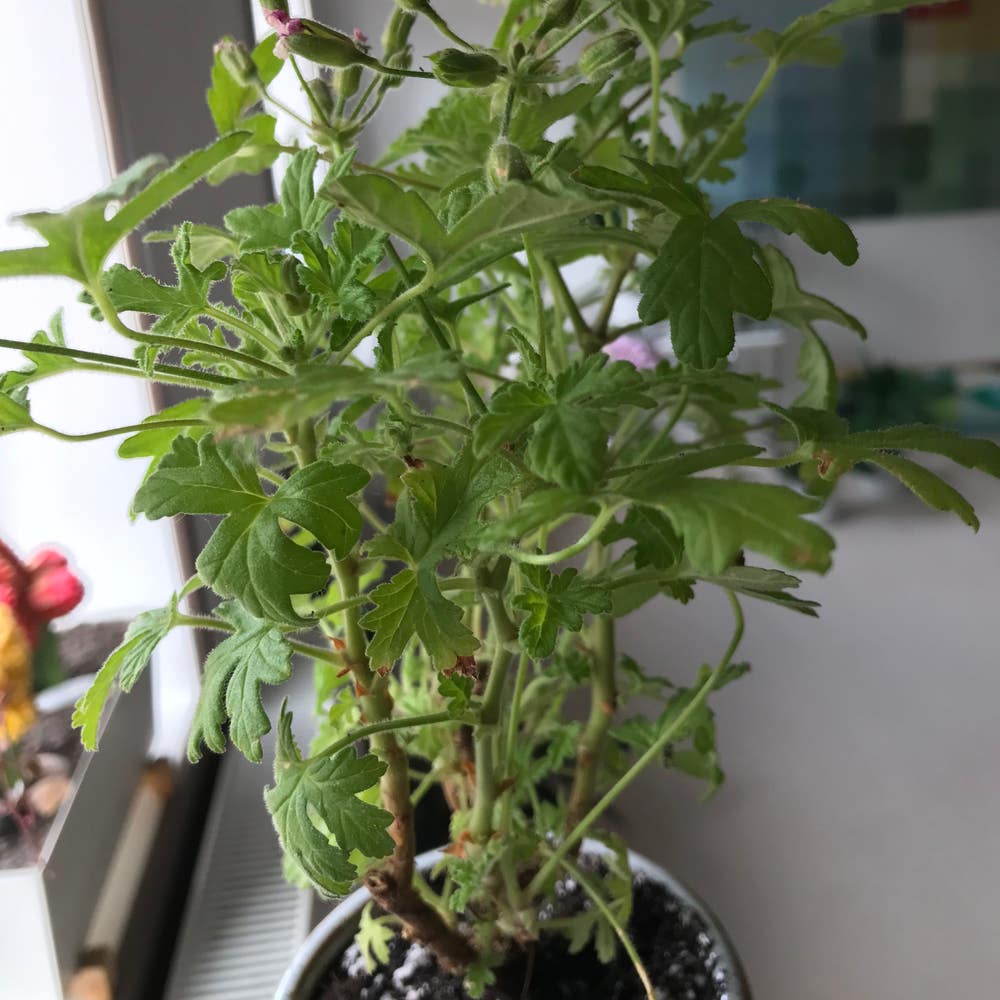
🌼 Why Mallow Is Not an Annual
Malva spp.
By the Greg Editorial Team
Aug 24, 2024•4 min read
This article was created with the help of AI so we can cover more plants for you. May contain errors. See one? Report it here.
Unlock your garden's potential with Mallow's resilient traits for a vibrant, perennial paradise! 🌼🌱
- 🌱 Mallow is a perennial, thriving for years unlike short-lived annuals.
- 🌿 Its robust root system enhances drought resistance and nutrient storage.
- 🐝 Mallow attracts pollinators, boosting biodiversity in your garden ecosystem.
Mallow's Perennial Nature
🌱 Genetic Characteristics
Mallow plants are typically diploid, meaning they have two sets of chromosomes. This genetic structure supports their long-term survival, allowing them to thrive in various environments.
Their genetic adaptations include traits that enhance resilience and regrowth. These adaptations enable Mallow to bounce back even after harsh conditions.
🌿 Physiological Traits Supporting Perennial Growth
One of the standout features of Mallow is its robust root system. These deep roots not only store nutrients but also retain water, making the plant more resilient during dry spells.
Additionally, Mallow has the ability to enter dormancy during adverse conditions. This physiological trait allows it to conserve energy and resources until conditions improve.
⏳ Long-Term Lifecycle and Growth Patterns
Mallow can live for several years, showcasing a lifecycle that includes cycles of growth and dormancy. This longevity sets it apart from many other garden plants.
Seasonally, Mallow emerges in spring, bursts into bloom during summer, and then gracefully enters dormancy in fall. This predictable pattern makes it a reliable choice for gardeners looking to add perennial beauty to their landscapes.
With its unique genetic and physiological traits, Mallow stands out as a perennial powerhouse. Understanding these characteristics not only enhances your gardening knowledge but also prepares you for the next section on how Mallow compares to true annuals.
Mallow vs. True Annuals
🌱 Lifecycle Comparison
Annual plants complete their lifecycle in just one year. In contrast, Mallow thrives over multiple years, showcasing its perennial nature.
Mallow's resource allocation differs significantly from that of annuals. While annuals pour their energy into producing seeds, Mallow focuses on developing a robust root system, ensuring its survival and regrowth.
🤔 Misconceptions and Conditions Leading to Annual Treatment
Many gardeners mistakenly identify Mallow as an annual due to its self-seeding behavior. This can lead to confusion, as the plant appears to behave like an annual when it actually has a much longer lifecycle.
Climate factors also play a crucial role in how Mallow is perceived. In harsher climates, Mallow may struggle to survive winter, reinforcing the misconception that it is an annual plant.
Understanding these differences can help gardeners appreciate Mallow's true nature and its potential in perennial gardens. As we explore garden design strategies, keep in mind how Mallow's unique characteristics can enhance your landscape.
Garden Design and Planting Strategies
🌼 Advantages of Using Mallow in Perennial Gardens
Mallow is a fantastic addition to any perennial garden. Its long-lasting presence ensures consistent blooms and lush foliage year after year.
Moreover, Mallow plays a vital role in promoting biodiversity. It attracts pollinators and beneficial insects, creating a thriving ecosystem in your garden.
🌱 Planning for Mallow's Growth
When planting Mallow, spacing is crucial. Ensure you allow enough room for its robust root system to develop and spread effectively.
Companion planting is another strategy to consider. Pairing Mallow with other perennials can enhance your garden's diversity, leading to a more resilient and vibrant landscape.
By thoughtfully incorporating Mallow into your garden design, you can enjoy its beauty while supporting a healthy ecosystem. This approach not only enriches your garden but also fosters a deeper connection with nature.
Maximizing Mallow's Longevity
Tips for Managing Mallow as a Perennial 🌱
To keep your Mallow thriving, regular maintenance is key. Pruning and deadheading not only enhance its appearance but also encourage new growth, ensuring a vibrant display throughout the seasons.
Soil health is another crucial factor. Mallow thrives in well-draining, nutrient-rich soil, so consider enriching your garden bed with organic matter to promote optimal growth.
Common Challenges and Solutions 🐞
Pest management can be a concern for Mallow gardeners. Identifying common pests early, such as aphids or spider mites, allows for timely intervention, keeping your plants healthy and robust.
Disease prevention is equally important. Regularly inspect your Mallow for signs of disease, such as wilting or discoloration, and implement preventive measures like crop rotation or proper spacing to enhance air circulation.
By addressing these challenges proactively, you can enjoy the beauty of Mallow in your garden for years to come. Next, let’s explore how to effectively design your garden to incorporate Mallow and maximize its benefits.
⚠️ Safety First
This content is for general information and may contain errors, omissions, or outdated details. It is not medical, veterinary advice, or an endorsement of therapeutic claims.
Always consult a qualified healthcare professional before using any plant as food, medicine, or supplement.
Never eat any plant (or feed one to pets) without confirming its identity with at least two trusted sources.
If you suspect poisoning, call Poison Control (800) 222-1222, the Pet Poison Helpline (800) 213-6680, or your local emergency service immediately.
Spotted an error? Please report it here.
Embrace Mallow's perennial magic 🌱 by using Greg's tailored reminders and care tips to keep your garden blooming beautifully year after year!