🔍 Common Mallow Problems and Solutions
Malva spp.
By the Greg Editorial Team
Aug 24, 2024•4 min read
This article was created with the help of AI so we can cover more plants for you. May contain errors. See one? Report it here.
Master mallow care 🌱 by spotting distress signs early for vibrant, thriving plants all year round!
- 🌱 Yellowing leaves signal unhealthy mallow; act quickly for better plant health.
- 💧 Wilting leaves indicate improper watering; adjust your routine immediately.
- 🌞 Leggy growth shows insufficient light; relocate your mallow for optimal exposure.
Identifying Unhealthy Mallow
🧐 Signs of an Unhealthy Plant
Recognizing the signs of an unhealthy mallow is crucial for timely intervention. Here are the key indicators to watch for:
💛 Yellowing Leaves
If you notice yellowing leaves, it often points to nutrient deficiencies or stress. This is a clear signal that your plant may need some extra care.
💧 Wilting or Drooping
Wilting or drooping leaves suggest improper watering. Whether it’s too much or too little, this symptom requires immediate attention.
📉 Stunted Growth
Stunted growth can indicate root issues or inadequate light. If your mallow isn’t reaching its full potential, it’s time to reassess its environment.
🦠 Fuzzy Growth
Fuzzy growth on your mallow may be a sign of a fungal infection. This is a serious issue that needs to be addressed quickly to prevent further damage.
🌱 Leaning or Leggy Appearance
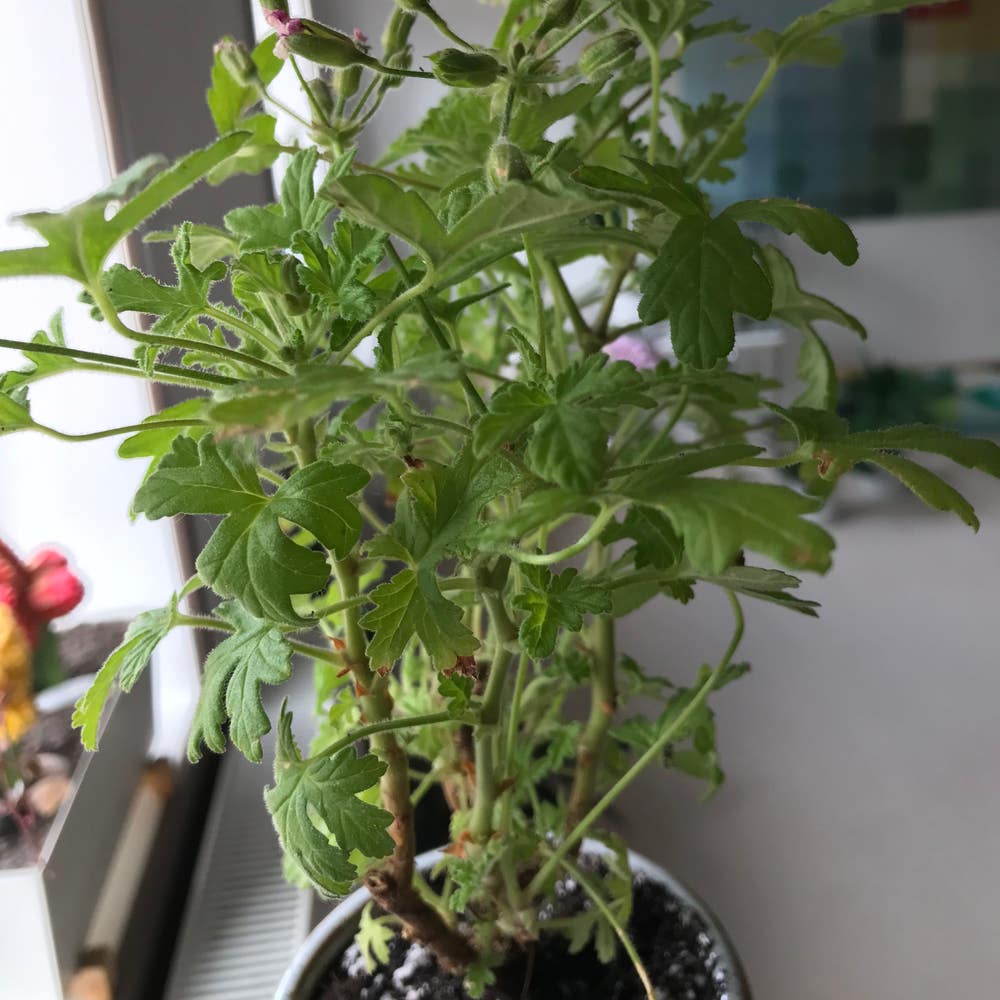
A leaning or leggy appearance indicates insufficient light. If your mallow is stretching awkwardly, it’s likely searching for more sunlight.
By keeping an eye out for these signs, you can ensure your mallow stays healthy and vibrant. Next, let’s dive into common problems specific to mallow and how to tackle them effectively.
Common Problems Specific to Mallow
🌊 Incorrect Watering
Identifying Overwatering and Underwatering
Watering is crucial for mallow health. Overwatering often leads to yellowing leaves, wilting, and squishy roots, while underwatering results in dry, crispy leaves and drooping stems.
Causes and Solutions
Overwatering typically stems from poor drainage or excessive rainfall. To remedy this, allow the soil to dry out, improve drainage, and adjust your watering schedule.
On the other hand, underwatering can occur due to infrequent watering or high temperatures. The solution is straightforward: water thoroughly and maintain consistent moisture levels.
💡 Incorrect Light Conditions
Symptoms and Adjustments
Light conditions significantly affect mallow growth. Insufficient light can cause leggy growth and sparse flowers, while excessive light leads to scorched leaves and faded colors.
To adjust light exposure, consider moving your mallow to a brighter location or using sheer curtains to filter harsh sunlight.
🐛 Pests
Common Pests and Treatment Methods
Pests can wreak havoc on your mallow plants. Aphids, small green insects found on new growth, can be treated with insecticidal soap or neem oil.
Spider mites leave fine webbing on leaves, requiring increased humidity and miticides for control. Whiteflies, tiny white insects on leaf undersides, can be managed with yellow sticky traps and insecticidal soap.
🦠 Diseases
Fungal Issues and Treatment Options
Fungal diseases pose a serious threat to mallow. Powdery mildew appears as white, powdery spots on leaves; improving air circulation and applying fungicides can help.
Rust manifests as orange or brown spots, and the best approach is to remove infected leaves and apply fungicides. Black rot shows dark, sunken lesions on stems, necessitating proper drainage and avoiding overhead watering.
Blight causes rapid wilting and leaf drop. The solution is to remove affected plants and practice crop rotation to prevent recurrence.
🌱 Growth Problems
Identifying and Resolving Issues
Growth problems can signal underlying issues. If your mallow isn't growing, it may be due to poor soil quality or inadequate light.
Not fruiting? This could indicate insufficient pollination or a nutrient imbalance. Leaning stems often result from low light, while leggy and etiolated plants stretch toward their light source.
To resolve these issues, improve soil quality, ensure adequate light exposure, and provide support for leaning plants.
Understanding these common problems will empower you to take proactive steps in maintaining your mallow's health. With the right care, your plants can thrive beautifully.
Preventive Measures
🌱 Best Practices for Mallow Care
To keep your mallow thriving, establish a regular watering schedule. Consider using the Greg plant care app for timely reminders.
Fertilization is also key; apply balanced fertilizers during the growing season to provide essential nutrients.
Pruning is another vital practice. Regularly remove dead or diseased leaves to promote healthy growth.
☀️ Seasonal Considerations
Pay attention to humidity levels in summer. High humidity can lead to fungal issues, so monitor it closely.
In winter, protect your mallow from frost. Use mulch or covers to shield your plants from harsh conditions.
🔍 Importance of Early Detection
Regular monitoring is crucial for vibrant blooms and overall plant health. Catching issues early can save your mallow from serious problems.
Utilize the Greg plant care app for alerts and reminders. This proactive approach ensures your plants receive the care they need when they need it.
By following these preventive measures, you can enjoy a flourishing mallow garden year-round. Next, let’s explore common problems specific to mallow and how to tackle them effectively.
⚠️ Safety First
This content is for general information and may contain errors, omissions, or outdated details. It is not medical, veterinary advice, or an endorsement of therapeutic claims.
Always consult a qualified healthcare professional before using any plant as food, medicine, or supplement.
Never eat any plant (or feed one to pets) without confirming its identity with at least two trusted sources.
If you suspect poisoning, call Poison Control (800) 222-1222, the Pet Poison Helpline (800) 213-6680, or your local emergency service immediately.
Spotted an error? Please report it here.
Keep your mallow thriving and blooming beautifully 🌼 with Greg's tailored care reminders and expert tips that empower you to tackle common problems head-on!