Why Your Huanarpo Macho Has Yellow Leaves
Jatropha macrantha
By the Greg Editorial Team
Nov 06, 2024•3 min read
This article was created with the help of AI so we can cover more plants for you. May contain errors. See one? Report it here.
Transform your yellowing plants 🌱 into thriving beauties by mastering their care and uncovering key solutions!
- 🌱 Yellow leaves indicate nutrient deficiencies, especially nitrogen and iron.
- 💧 Overwatering and underwatering both cause yellowing; check soil moisture regularly.
- ☀️ Insufficient light or excessive sun can scorch leaves; aim for bright, indirect light.
Causes of Yellow Leaves
🌱 Nutrient Deficiencies
Nitrogen Deficiency
Nitrogen deficiency is a common issue that manifests as general yellowing of older leaves and stunted growth. This nutrient is vital for chlorophyll production, which is essential for a plant's overall vigor and health.
Iron Deficiency
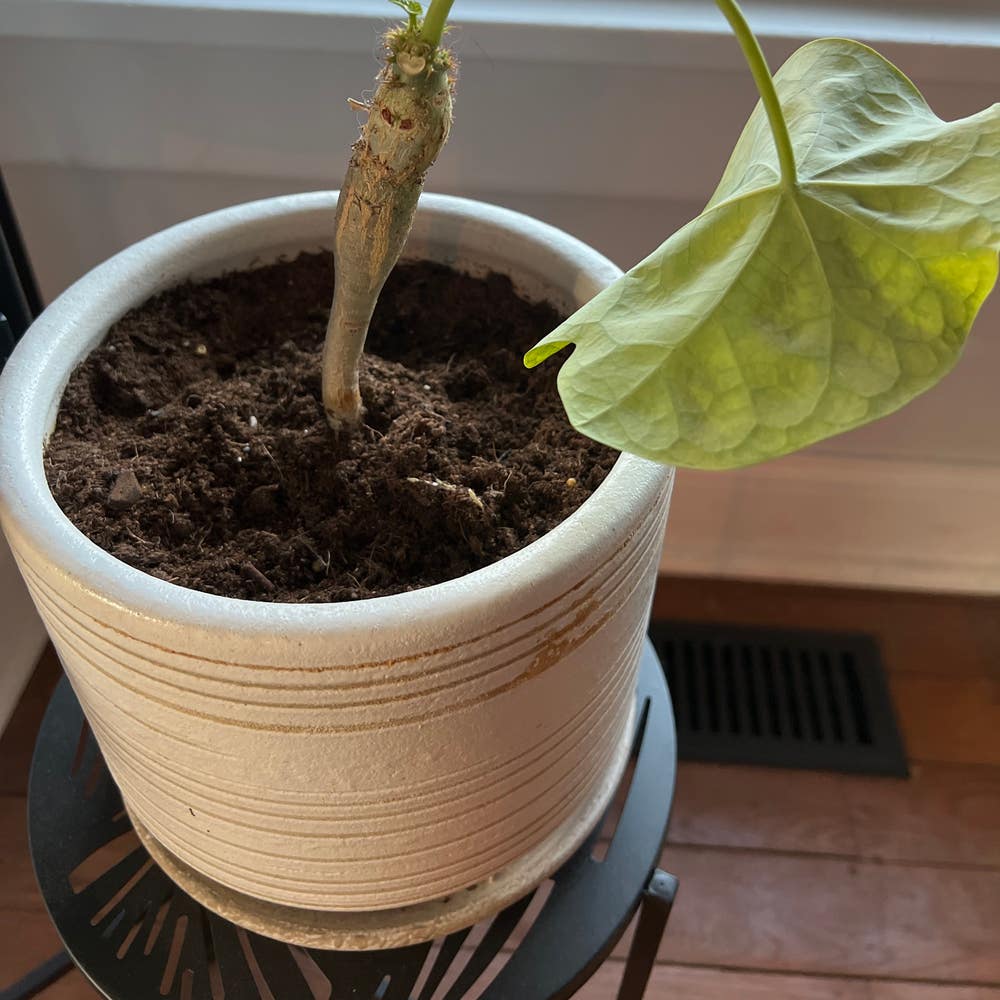
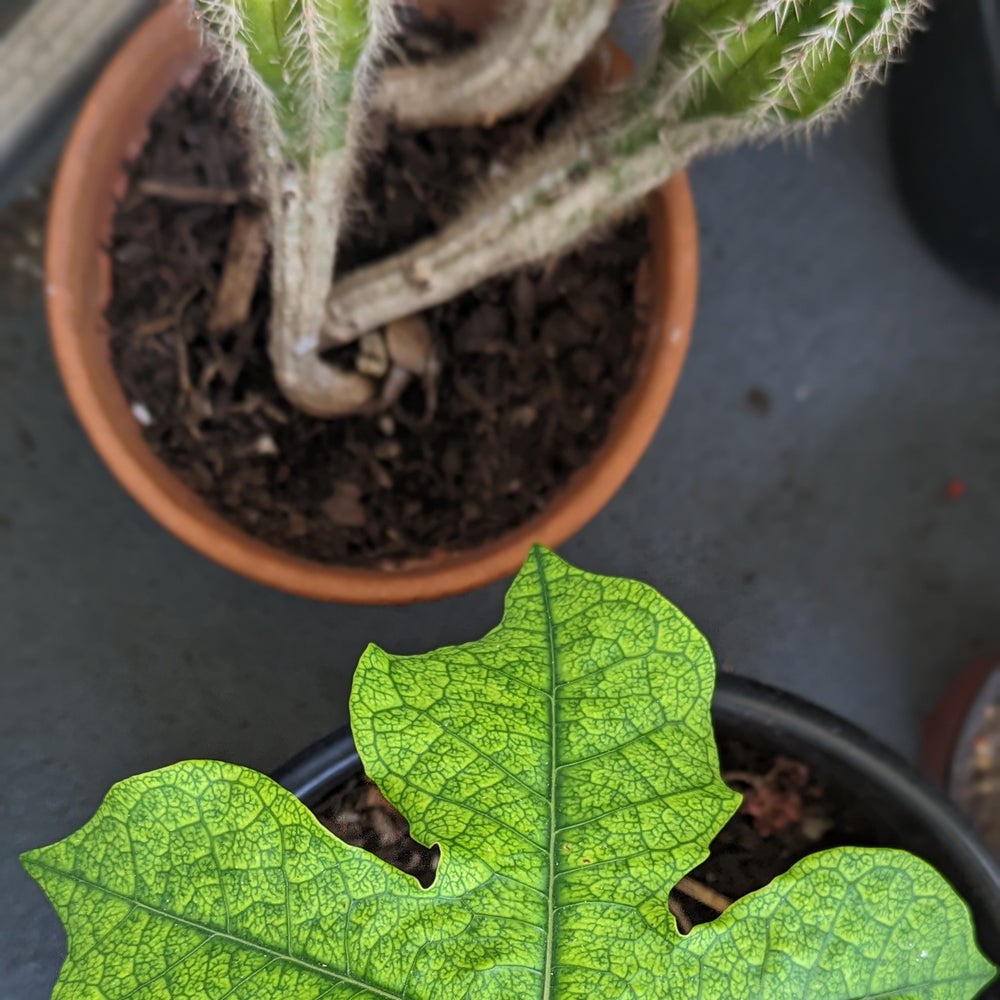
Iron deficiency presents itself through yellowing between leaf veins, known as interveinal chlorosis, particularly affecting younger leaves. Iron plays a crucial role in photosynthesis and enzyme function, making it essential for your Huanarpo Macho's growth.
💧 Watering Issues
Overwatering Effects
Overwatering can lead to yellowing leaves, wilting, and even root rot. This often occurs due to poor soil drainage or watering too frequently, creating a soggy environment that your plant cannot thrive in.
Underwatering Effects
Conversely, underwatering results in yellowing leaves with crispy edges and drooping foliage. This typically happens when watering is infrequent or when the soil becomes too dry, stressing the plant.
☀️ Light Conditions
Insufficient Light
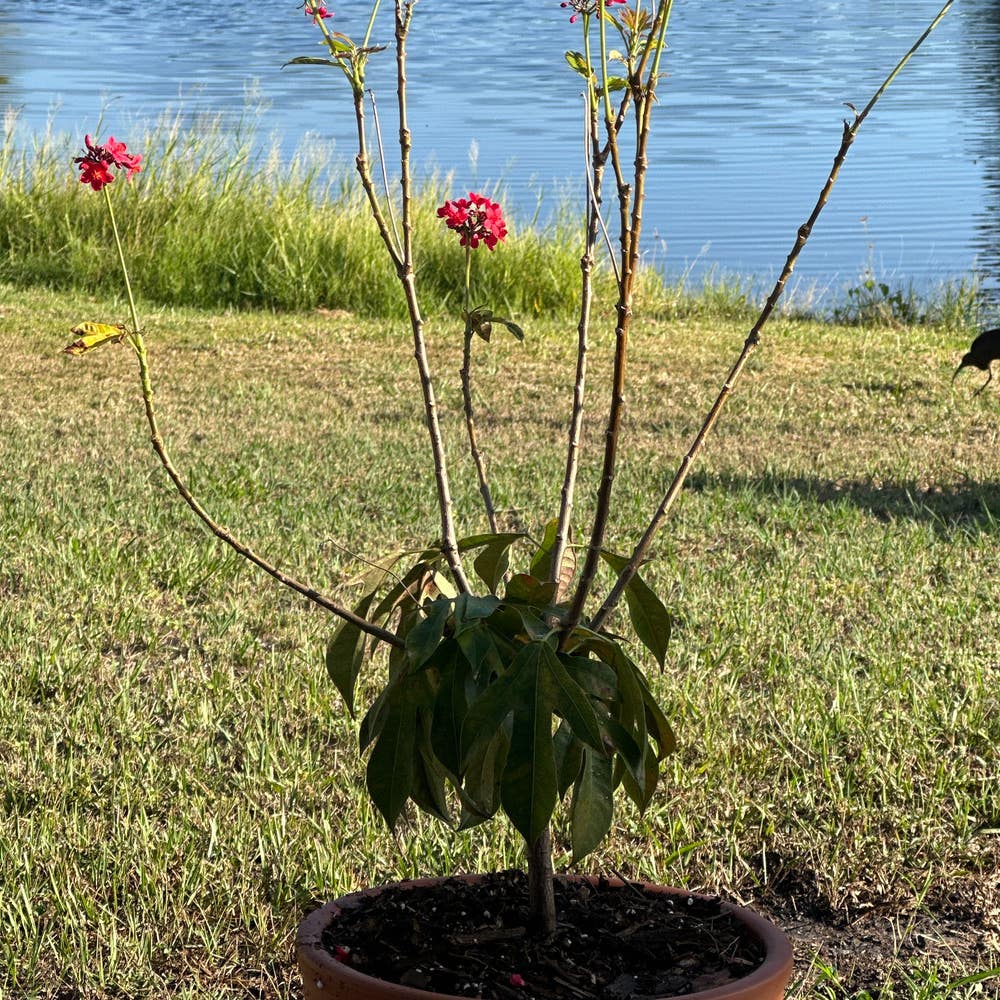
When your Huanarpo Macho doesn't receive enough light, it may show symptoms like yellowing leaves, leggy growth, and slow development. Bright, indirect light is crucial for optimal growth and health.
Excessive Direct Sunlight
Too much direct sunlight can scorch leaves, leading to yellowing and browning edges. Protecting your plant from harsh sunlight is essential to prevent damage and ensure effective photosynthesis.
🐛 Pest Infestations
Common Pests
Pests such as aphids, spider mites, and mealybugs can cause significant yellowing of leaves. These invaders can sap the plant's vitality, leading to further health issues.
Signs of Pest Damage
Look for visible insects on the leaves, sticky residue, webbing, or discolored patches as signs of pest damage. Early detection is key to managing infestations effectively.
🛠️ Treatment and Prevention
Adjusting Watering Practices
- Check soil moisture: Use your finger to gauge moisture levels 1-2 inches deep.
- Watering frequency: Allow the top inch of soil to dry out before watering again.
- Drainage: Ensure pots have drainage holes to prevent waterlogging.
Fertilization Strategies
Utilize a balanced, water-soluble fertilizer, like 20-20-20, every 4-6 weeks during the growing season. A slow-release fertilizer can also provide sustained nutrient availability.
Improving Light Conditions
Position your plant in bright, indirect light and avoid direct sunlight to prevent leaf scorch. Rotating the plant periodically helps ensure even light exposure.
Pest Management Techniques
For organic pest control, consider using neem oil, insecticidal soap, or introducing beneficial insects like ladybugs. If necessary, use targeted pesticides as a last resort, following label instructions carefully.
Environmental Adjustments
Increase humidity by using a humidifier or placing a tray of water with pebbles near the plant. Maintaining a stable temperature, away from drafts and extreme changes, is also crucial for your plant's health.
Understanding these causes and implementing effective treatment and prevention strategies will help keep your Huanarpo Macho thriving. Next, we’ll explore specific treatment methods to address these issues effectively.
⚠️ Safety First
This content is for general information and may contain errors, omissions, or outdated details. It is not medical, veterinary advice, or an endorsement of therapeutic claims.
Always consult a qualified healthcare professional before using any plant as food, medicine, or supplement.
Never eat any plant (or feed one to pets) without confirming its identity with at least two trusted sources.
If you suspect poisoning, call Poison Control (800) 222-1222, the Pet Poison Helpline (800) 213-6680, or your local emergency service immediately.
Spotted an error? Please report it here.
Revive your Huanarpo Macho's vibrancy 🌿 by using Greg's tailored care reminders to tackle yellow leaves and keep your plant thriving!