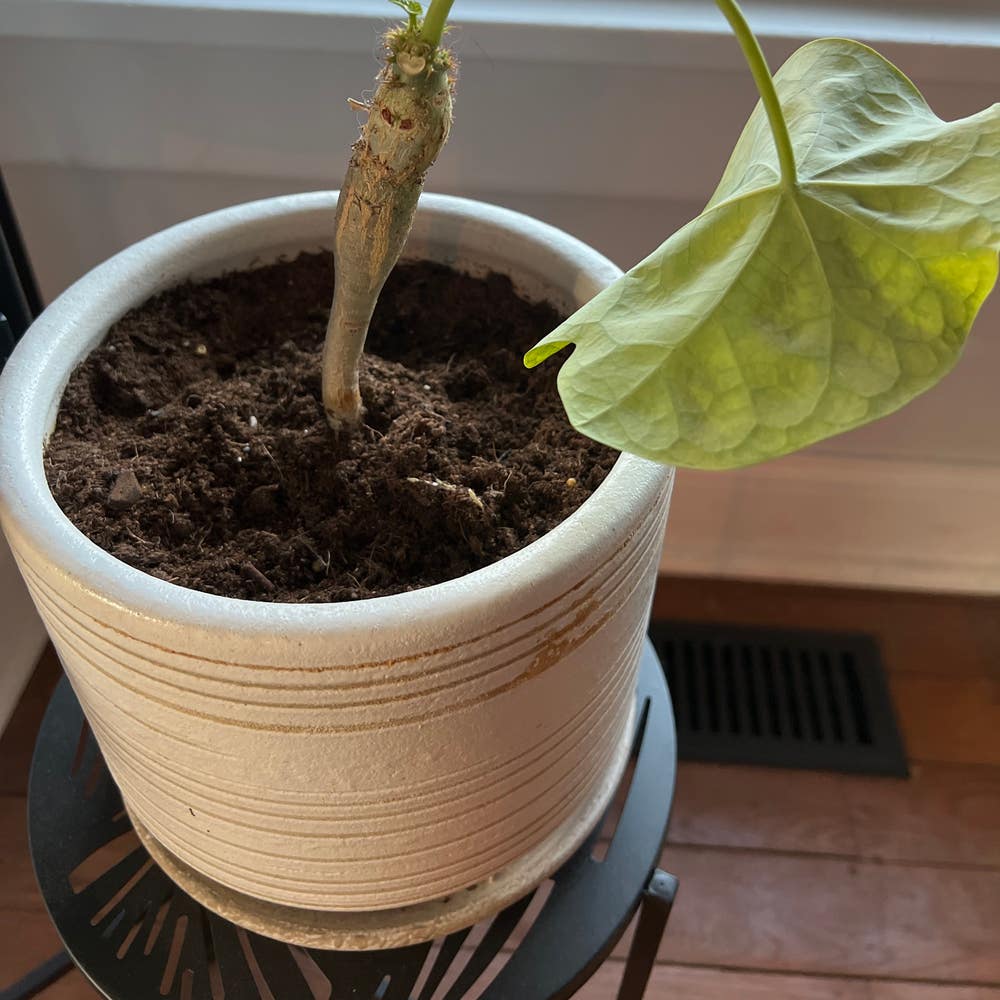
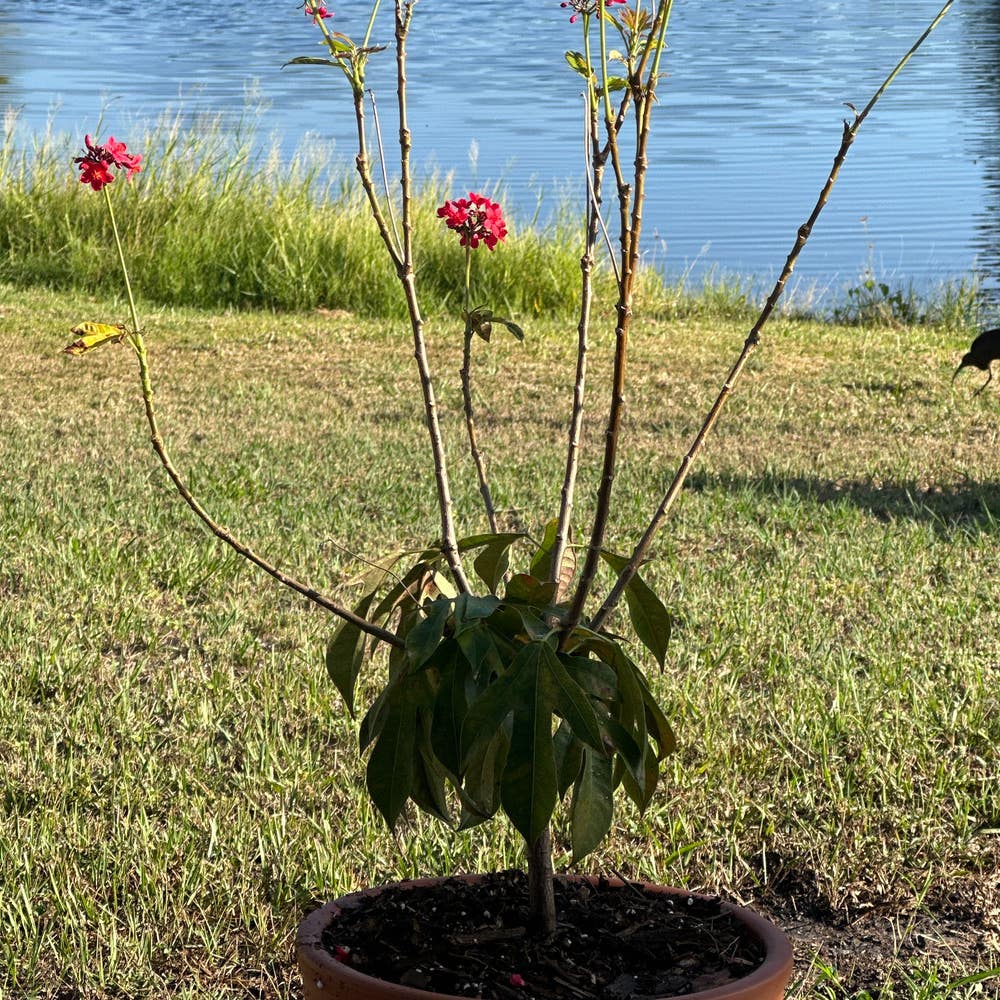
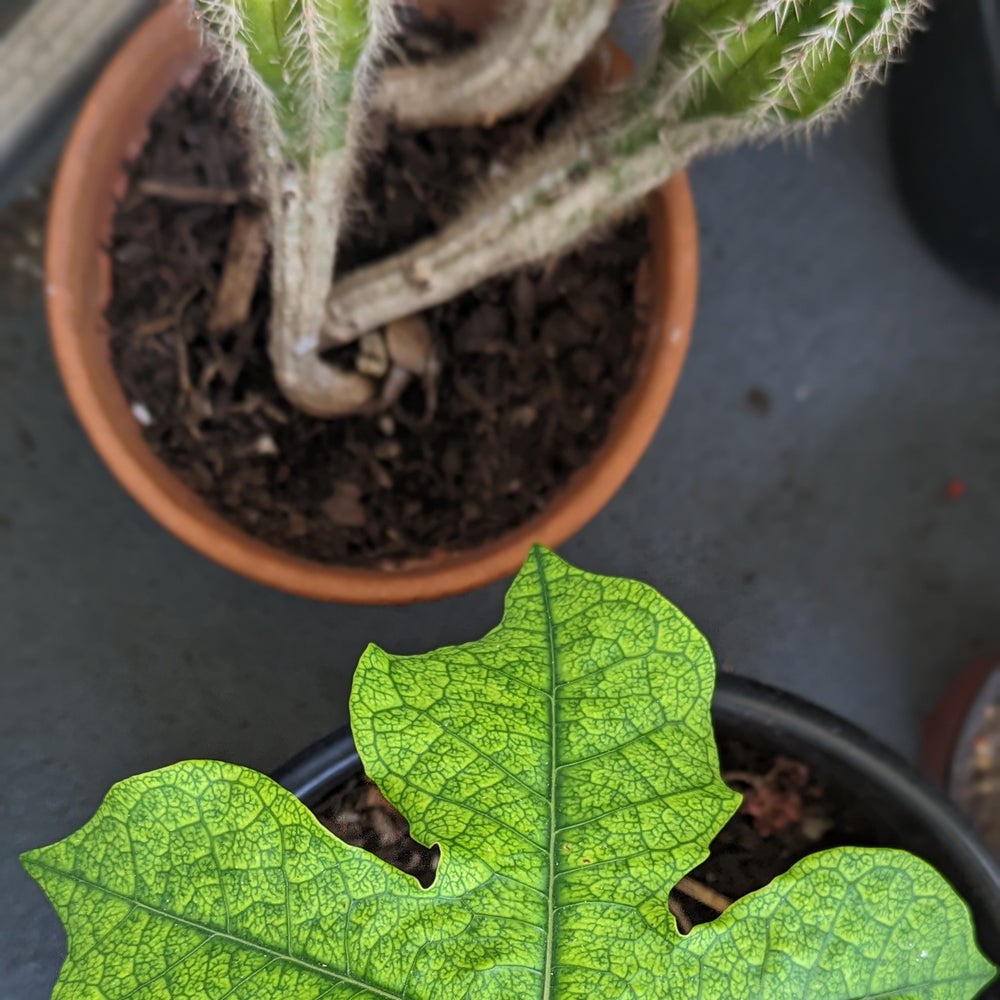
3 Quick Fixes for Huanarpo Macho Bloom Problems
Jatropha macrantha
By the Greg Editorial Team
Nov 06, 2024•6 min read
This article was created with the help of AI so we can cover more plants for you. May contain errors. See one? Report it here.
Transform your Huanarpo Macho into a blooming beauty 🌸 with these expert tips on light, nutrients, and care!
- 🌞 Huanarpo Macho needs 6-8 hours of bright, indirect sunlight for optimal blooming.
- 🌱 Nutrient deficiencies in phosphorus and potassium can hinder flowering and cause yellow leaves.
- ✂️ Proper pruning in late winter promotes healthy blooms and redirects energy to new growth.
Failure to Bloom
🌞 Causes
Insufficient Light
Adequate light is crucial for triggering the bloom cycle of Huanarpo Macho. Without it, you may notice stunted growth and elongated stems, indicating that your plant is reaching for more light.
Nutrient Deficiencies
Phosphorus and potassium are key nutrients that support flowering. If your plant exhibits yellowing leaves and poor growth, it might be lacking these essential nutrients.
Improper Pruning
Incorrect pruning can significantly affect flower development. If you prune at the wrong time or use improper techniques, you may hinder blooming altogether.
🌼 Solutions
Adjusting Light Exposure
To encourage blooming, aim for 6-8 hours of bright, indirect sunlight each day. You can increase light exposure by relocating your plant to a sunnier spot or using grow lights if necessary.
Fertilization Tips
Utilize high-phosphorus fertilizers to boost flowering potential. Apply these fertilizers every 4-6 weeks during the growing season for optimal results.
Pruning Techniques
Effective pruning involves removing dead or damaged stems to promote healthy growth. The best time to prune is late winter or early spring, just before new growth begins.
By addressing these common causes and implementing the suggested solutions, you can help your Huanarpo Macho thrive and bloom beautifully. Next, let’s explore the issue of premature flower drop and how to prevent it.
Premature Flower Drop
🌪️ Causes
Environmental Stress
Environmental stress can wreak havoc on your Huanarpo Macho, leading to premature flower drop. Factors like temperature fluctuations and humidity levels play a significant role, with signs including wilting leaves and drooping flowers.
Overwatering
Overwatering is another common culprit behind flower drop. Symptoms such as yellowing leaves and root rot indicate that your plant is drowning, which can cause flowers to fall off before they fully develop.
Pest Infestations
Pest infestations can also lead to premature flower drop. Common pests like aphids and spider mites leave sticky residue and may be visible on the plant, signaling that your Huanarpo Macho needs immediate attention.
💧 Solutions
Watering Practices
To combat overwatering, establish a recommended watering schedule that allows the soil to dry slightly between waterings. Using well-draining soil and pots will also help ensure proper drainage, keeping your plant healthy.
🐞 Pest Management
For pest management, consider organic methods like neem oil or insecticidal soap. Regular inspection and treatment every few weeks can help keep infestations at bay, ensuring your plant remains vibrant.
🌱 Stress Reduction Techniques
Creating a stable environment is crucial for reducing stress on your Huanarpo Macho. Maintain consistent temperature and humidity levels, and use mulch to retain soil moisture and regulate temperature effectively.
By addressing these causes and implementing these solutions, you can help your Huanarpo Macho thrive and enjoy a beautiful bloom cycle. Next, let’s explore the abnormal flower development and how to tackle those issues effectively.
Abnormal Flower Development
🌱 Hormonal Imbalances
Plant hormones play a crucial role in flower development. When these hormones are out of balance, you may notice distorted flowers or uneven growth, signaling that something is amiss.
🌡️ Temperature Fluctuations
Maintaining the right temperature is vital for Huanarpo Macho. Ideally, the temperature should stay between 20°C to 30°C (68°F to 86°F); extreme fluctuations can disrupt flower formation and overall plant health.
🐝 Inadequate Pollination
Pollination is essential for the development of healthy flowers. Signs of poor pollination include undeveloped or misshapen flowers, indicating that your plant may need a little extra help.
🛠️ Solutions
🌿 Hormonal Treatments
To encourage proper flower development, consider using plant growth regulators. Apply these treatments at the right time for maximum effectiveness, ensuring your plant gets the hormonal boost it needs.
❄️ Temperature Control
Keep your Huanarpo Macho thriving by maintaining optimal temperatures. Use fans or heaters to stabilize the environment, and regularly monitor temperature fluctuations to adjust your care accordingly.
🤲 Pollination Assistance
If you suspect inadequate pollination, try hand pollination techniques. Using a small brush or cotton swab during peak blooming periods can significantly enhance flower development and quality.
By addressing these factors, you can help your Huanarpo Macho flourish with beautiful blooms. Next, let’s explore the various factors affecting flowering, including light requirements and nutritional needs.
Factors Affecting Flowering
🌞 Light Requirements
Importance of Light for Blooming
Light is crucial for the blooming cycle of Huanarpo Macho. It not only triggers flower development but also supports overall plant health; without adequate light, your plant may struggle to thrive.
Inadequate light can lead to stunted growth and elongated stems, indicating that your plant is reaching for more light. This can ultimately hinder its blooming potential.
Ideal Light Conditions
For optimal blooming, Huanarpo Macho requires bright, indirect sunlight for about 6-8 hours a day. Placing your plant near a window with filtered light can create the perfect environment.
If you're growing indoors, consider using grow lights to supplement natural light, especially during shorter days. Outdoors, ensure your plant is shielded from harsh midday sun to prevent leaf scorch.
🌱 Nutritional Needs
Key Nutrients for Flowering
Huanarpo Macho thrives on essential nutrients like nitrogen, phosphorus, and potassium. These macronutrients are vital for healthy blooms and overall plant vigor.
Micronutrients, such as magnesium and iron, also play a significant role in supporting flower development. A balanced nutrient profile ensures your plant can produce vibrant flowers.
Recommended Fertilizers and Application Methods
Using balanced NPK fertilizers is ideal for Huanarpo Macho. Look for formulas with a higher phosphorus content to encourage flowering.
Apply fertilizer every 4-6 weeks during the growing season for best results. Always follow the manufacturer's instructions to avoid over-fertilization, which can harm your plant.
✂️ Pruning Techniques
Best Practices for Pruning to Encourage Blooms
Effective pruning is key to promoting blooms in Huanarpo Macho. Cut above leaf nodes to encourage new growth and remove any dead or damaged stems.
Additionally, removing spent flowers can redirect the plant's energy toward producing new blooms, enhancing its overall appearance.
Timing and Methods for Effective Pruning
The best time to prune Huanarpo Macho is late winter or early spring, just before new growth begins. This timing allows the plant to recover and flourish during the growing season.
For clean cuts, use sharp pruning shears or scissors. This minimizes damage to the plant and promotes faster healing, ensuring your Huanarpo Macho remains healthy and vibrant.
As you implement these practices, you'll set the stage for a flourishing bloom cycle, leading to a more vibrant and healthy Huanarpo Macho. Next, let’s explore common bloom problems and how to address them effectively.
⚠️ Safety First
This content is for general information and may contain errors, omissions, or outdated details. It is not medical, veterinary advice, or an endorsement of therapeutic claims.
Always consult a qualified healthcare professional before using any plant as food, medicine, or supplement.
Never eat any plant (or feed one to pets) without confirming its identity with at least two trusted sources.
If you suspect poisoning, call Poison Control (800) 222-1222, the Pet Poison Helpline (800) 213-6680, or your local emergency service immediately.
Spotted an error? Please report it here.
Ensure your Huanarpo Macho blooms vibrantly 🌼 by tackling light and nutrient issues, and let Greg guide you with tailored care reminders for thriving plants!