✂️ Cutting Back Huanarpo Macho Effectively
Jatropha macrantha
By the Greg Editorial Team
Nov 06, 2024•5 min read
This article was created with the help of AI so we can cover more plants for you. May contain errors. See one? Report it here.
Elevate your garden's beauty and health 🌼 by mastering essential pruning techniques every plant lover needs!
- 🌸 Pruning Huanarpo Macho boosts flowering and promotes vibrant blooms for your garden.
- ✂️ Regular trimming maintains shape and enhances the overall appearance of your plants.
- 🌱 Spring is ideal for pruning, encouraging new growth and preparing for dormancy in fall.
Importance of Pruning for Plant Health and Aesthetics
🌸 Enhancing Flowering
Pruning is essential for promoting more blooms and healthier flowers. By cutting back certain stems, you encourage the plant to redirect its energy towards producing vibrant flowers, resulting in a more colorful display.
✂️ Maintaining Shape
Maintaining the shape of your plants is another critical aspect of pruning. Regular trimming prevents overgrowth and encourages a bushier appearance, making your garden look well-kept and visually appealing.
🌬️ Improving Air Circulation
Improving air circulation is vital for plant health. Pruning helps reduce the risk of disease by allowing air to flow freely through the foliage, promoting overall vigor and resilience against pests and diseases.
Incorporating these pruning practices not only enhances the beauty of your plants but also ensures their long-term health. As we move forward, understanding when to prune will further empower your gardening efforts.
When to Prune
🌱 Best Seasons for Pruning
Pruning your Huanarpo Macho at the right time is crucial for its health and aesthetics. Spring pruning is perfect for shaping the plant and encouraging vibrant new growth, while fall pruning helps maintain the plant and prepares it for dormancy.
🔍 Signs That Indicate When to Prune
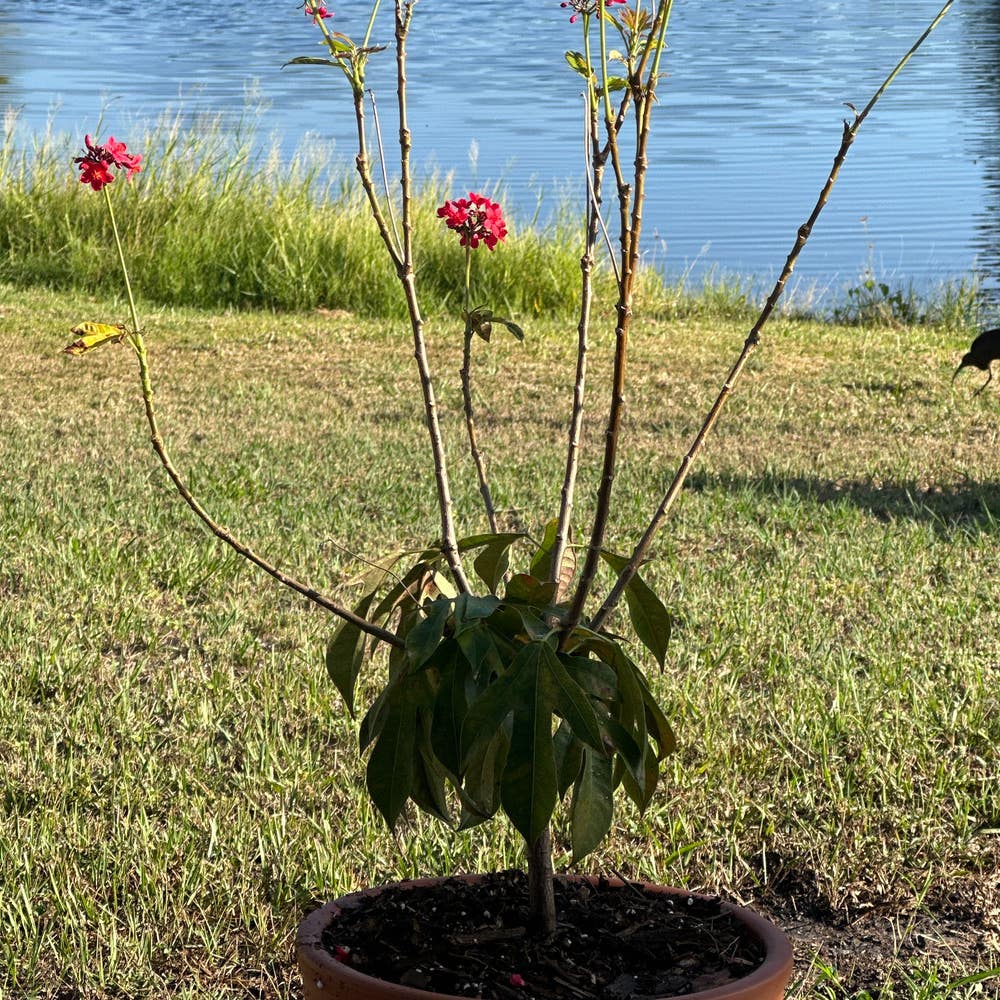
Recognizing when to prune is key to keeping your plant thriving. Look for an overgrown appearance, where stems cross or crowd each other, as well as dead or damaged branches that signal disease or stress. Additionally, if you notice reduced flowering with fewer blooms than in previous seasons, it’s time to grab those shears.
🌦️ Timing Considerations Based on Local Climate
Your local climate plays a significant role in determining the best pruning time. In tropical climates, prune after the last frost to avoid damaging new growth. For those in regions with seasonal variations, adjust your pruning schedule based on local weather patterns to ensure optimal plant health.
With these guidelines, you can confidently approach pruning, setting the stage for a flourishing Huanarpo Macho. Next, let’s dive into the essential techniques for effective pruning.
How to Prune
Step-by-Step Guide to Pruning Techniques 🌱
Pruning your Huanarpo Macho can seem daunting, but breaking it down into manageable steps makes it easier. Start by assessing the plant to identify areas that need attention, focusing on overgrown or damaged sections.
Next, gather your tools. You'll need sharp pruning shears and a disinfectant to keep your tools clean and prevent disease.
Begin with the dead or damaged branches. Cut these back to healthy tissue, which encourages new growth and improves the plant's overall health.
Once you've cleared the dead wood, shape the plant by trimming back overgrown areas. This helps maintain the desired form and encourages bushiness.
Finally, thin out crowded areas by removing select stems. This improves airflow and reduces the risk of disease, promoting a vigorous plant.
Specific Cuts to Make for Optimal Growth ✂️
When making cuts, use techniques that promote healing. Angle cuts are ideal, as they help prevent water from pooling on the cut surface, reducing the risk of rot.
Where you cut is just as important. Aim to cut just above leaf nodes, as this stimulates new growth and encourages the plant to flourish.
How to Shape the Plant During Pruning 🌳
To maintain a bushy appearance, focus on cutting back the tips of the stems. This encourages lateral growth, creating a fuller plant.
Balancing height and width is crucial for an aesthetically pleasing shape. Ensure even growth across the plant by regularly checking and adjusting as needed.
With these techniques in mind, you’ll be well on your way to a thriving Huanarpo Macho. Next, let’s explore the art of deadheading to further enhance your plant's beauty and health.
Deadheading
🌼 Explanation of Deadheading and Its Benefits
Deadheading is the practice of removing spent flowers from your plants. This simple act not only enhances the plant's appearance but also encourages further blooming and prevents unwanted seed formation.
✂️ Step-by-Step Instructions for Deadheading
- Identify spent flowers: Look for wilted or brown blooms that detract from your plant's beauty.
- Use clean shears: Always sanitize your tools to prevent disease transmission.
- Cut back to the first set of healthy leaves: This promotes new growth and keeps your plant thriving.
⏰ Timing for Deadheading to Encourage Blooming
The best time to deadhead is immediately after flowering. This maximizes blooming potential and keeps your plants looking their best throughout the growing season.
Seasonal considerations are also important. Adjust your deadheading routine based on the specific flowering cycles of your plants to ensure optimal results.
With proper deadheading, your plants will reward you with vibrant blooms and a healthier appearance. This practice is a key part of maintaining a flourishing garden, leading us seamlessly into the next topic: common pruning mistakes to avoid.
Common Pruning Mistakes
🛑 Mistakes to Avoid When Pruning
Pruning can be a delicate art, and common mistakes can hinder your plant's health. One major pitfall is over-pruning, where too much foliage is removed at once, leaving the plant vulnerable and stressed.
Another mistake is making incorrect cuts. Poor cutting techniques can damage the plant or disrupt its natural growth patterns, leading to long-term issues.
🔍 How to Recognize and Correct Poor Pruning Practices
Recognizing signs of poor pruning is crucial for maintaining plant health. Look for uneven growth or excessive dieback, which can indicate that your pruning methods need reevaluation.
To correct these practices, take a step back and assess your techniques and timing. Adjusting your approach can help restore balance and promote healthier growth.
✂️ Tips for Maintaining a Healthy Pruning Routine
Establishing a regular pruning schedule is essential for keeping your plants thriving. Seasonal checks and maintenance can help you stay on top of your plants' needs.
Additionally, keeping your tools sharp and clean is vital. This ensures effective cuts and minimizes the risk of disease, allowing your plants to flourish.
By avoiding these common mistakes and following best practices, you can enhance your pruning routine and support the health of your plants. Next, let’s explore the art of deadheading to encourage even more blooms.
⚠️ Safety First
This content is for general information and may contain errors, omissions, or outdated details. It is not medical, veterinary advice, or an endorsement of therapeutic claims.
Always consult a qualified healthcare professional before using any plant as food, medicine, or supplement.
Never eat any plant (or feed one to pets) without confirming its identity with at least two trusted sources.
If you suspect poisoning, call Poison Control (800) 222-1222, the Pet Poison Helpline (800) 213-6680, or your local emergency service immediately.
Spotted an error? Please report it here.
Enhance your Huanarpo Macho's blooms and garden charm by pruning at the right time, and let Greg's tailored reminders guide you to pruning perfection ✂️!