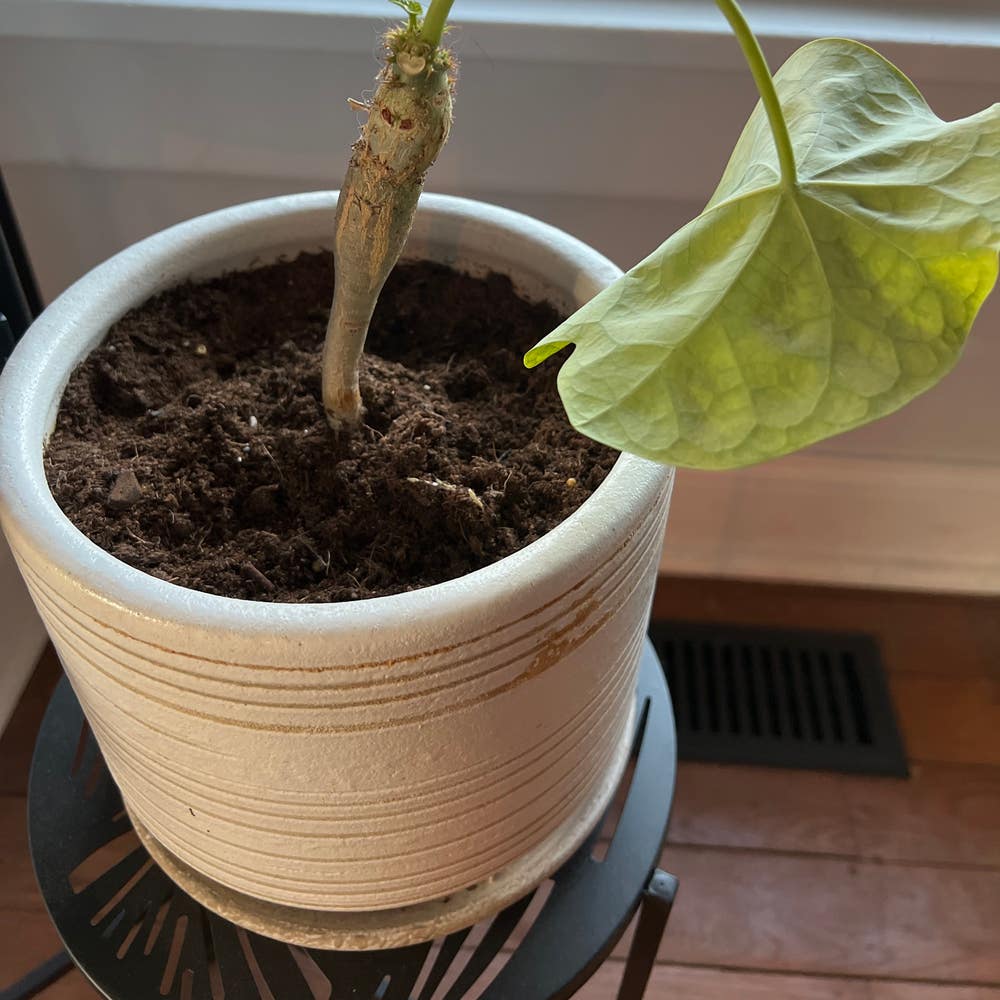
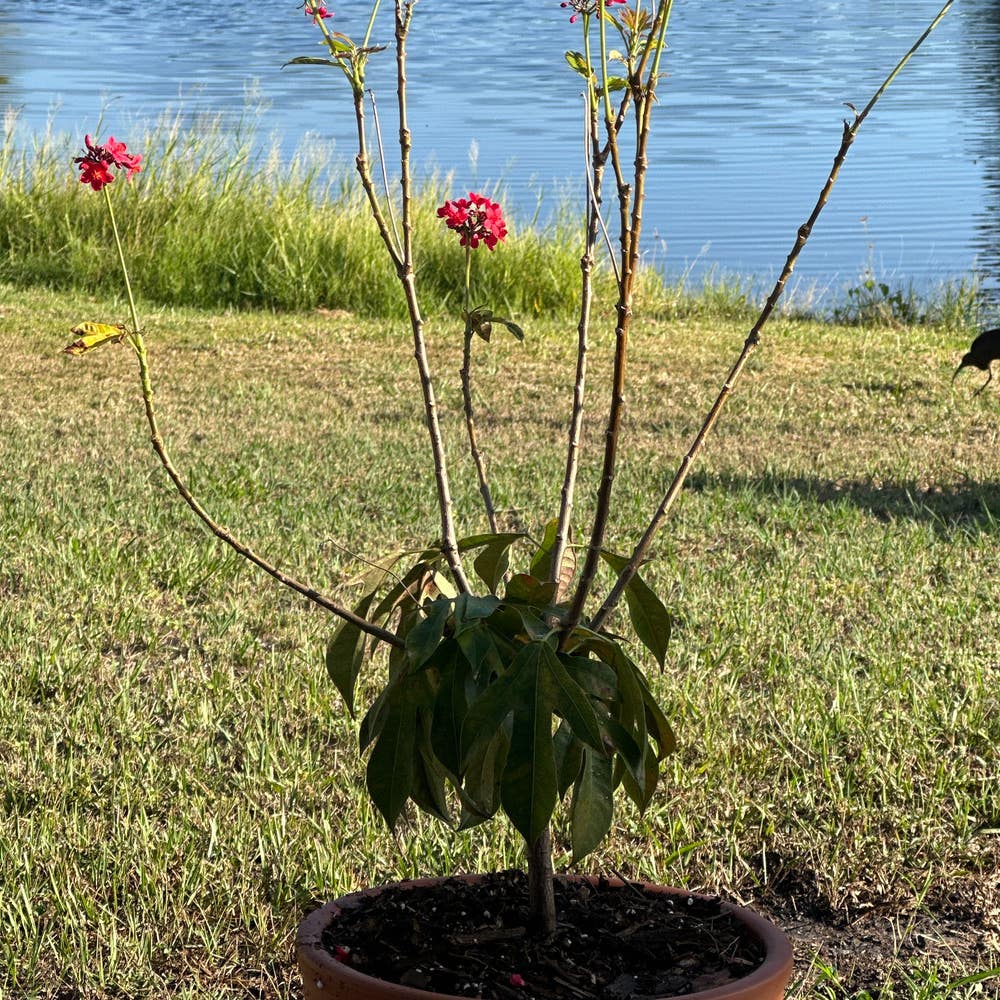
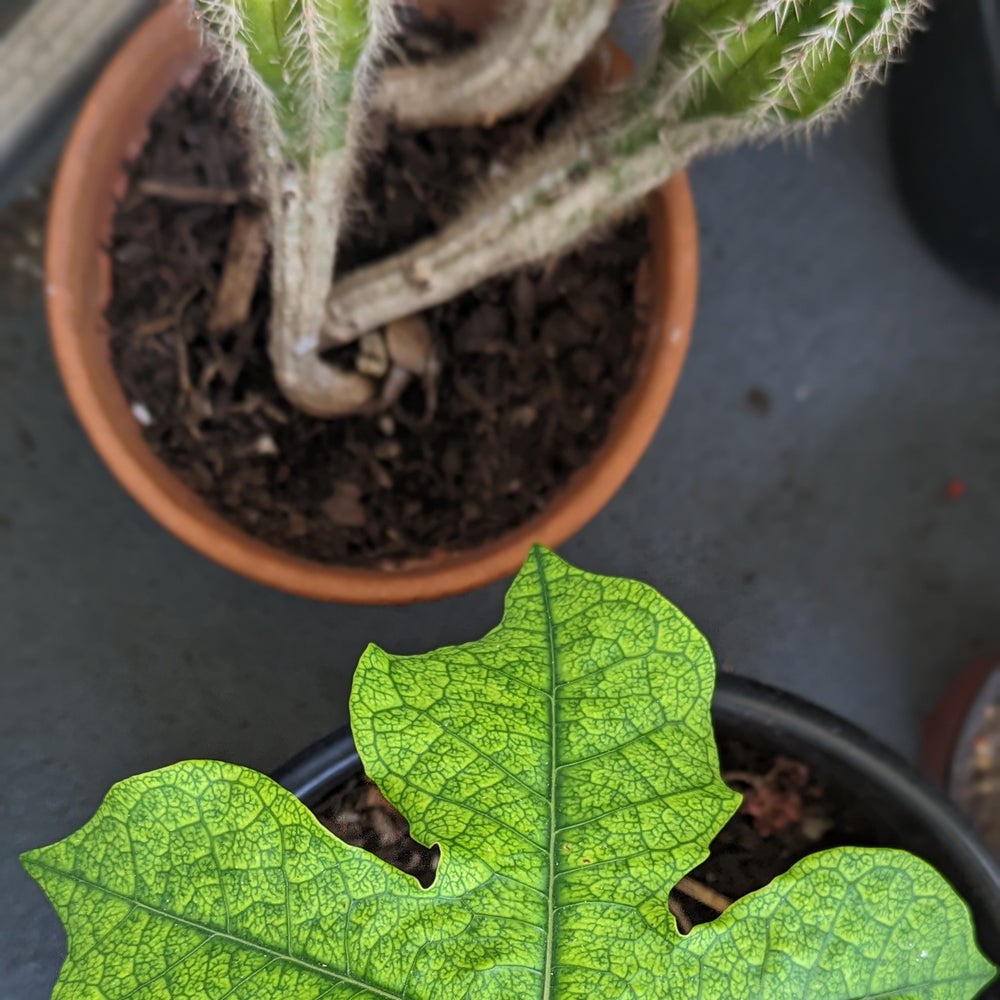
🌼 6 Perfect Pot Styles for Huanarpo Macho
Jatropha macrantha
By the Greg Editorial Team
Nov 06, 2024•5 min read
This article was created with the help of AI so we can cover more plants for you. May contain errors. See one? Report it here.
Unlock your Huanarpo Macho's full potential 🌱 by mastering pot size and materials for thriving growth at every stage! 🪴
- 🌱 Choose the right pot size for each growth stage to ensure healthy roots.
- 🏺 Clay pots promote root health, while plastic pots retain moisture but may cause rot.
- 🔄 Repot every 1-2 years or when roots show signs of being root-bound.
Importance of Pot Size for Different Growth Stages
🌱 Seedling Stage
For seedlings, a pot size of 4-6 inches in diameter is ideal. Smaller pots encourage root development and help prevent overwatering, which can be detrimental at this delicate stage.
🌿 Juvenile Stage
As your Huanarpo Macho transitions into the juvenile stage, increase the pot size to 6-10 inches in diameter. This change allows for increased root space, supporting the plant's growth as it matures.
🌳 Mature Stage
In the mature stage, opt for pots that are 10-14 inches in diameter. Larger pots accommodate extensive root systems, which is crucial for maintaining overall plant health and vigor.
🔄 Adjusting Container Size
When repotting, look for signs that your plant needs more space. Move to the next size pot when roots begin to emerge from drainage holes, typically every 1-2 years or when the plant shows signs of being root-bound.
Understanding the importance of pot size at each growth stage is essential for nurturing a thriving Huanarpo Macho. This knowledge sets the foundation for successful growth and prepares you for the next steps in caring for your plant.
Ideal Pot Materials
Choosing the right pot material is crucial for the health of your Huanarpo Macho. Each type has its unique benefits and drawbacks that can significantly impact plant growth.
🏺 Clay Pots
Clay pots are a popular choice among plant enthusiasts. They offer excellent breathability, allowing air to circulate around the roots, which promotes healthy growth.
However, they come with some downsides. Clay pots are heavier than other materials and can crack in extreme temperatures, which may not be ideal for all environments.
🪴 Plastic Pots
Plastic pots are lightweight and come in a variety of sizes and colors, making them versatile for any setting. They retain moisture longer, which can be beneficial for plants that prefer consistent hydration.
On the flip side, plastic pots are less breathable than clay. If drainage is inadequate, there's a risk of root rot, which can be detrimental to your plant's health.
⚖️ Comparison of Materials
| Material | Benefits | Drawbacks |
|---|---|---|
| Clay | Breathable, natural moisture regulation | Heavy, can crack in extreme temperatures |
| Plastic | Lightweight, moisture retention, variety | Less breathable, risk of root rot |
When selecting a pot, consider your specific growth conditions and personal preferences. If you live in a humid climate, plastic might be your best bet. Conversely, if you want to encourage robust root development, clay could be the way to go.
Understanding these materials will help you make informed decisions that support the thriving growth of your Huanarpo Macho. Next, let's explore the importance of drainage considerations to ensure your plant remains healthy and vibrant.
Drainage Considerations
Importance of Drainage Holes 🌊
Drainage holes are essential for any pot, as they prevent water accumulation and significantly reduce the risk of root rot. For optimal drainage, aim for at least 3-5 holes in the bottom of your pots.
Effects of Poor Drainage 🚫
When drainage is inadequate, plants can exhibit symptoms of overwatering, such as yellowing leaves, wilting, and stunted growth. Over time, poor drainage can lead to root rot, which can ultimately result in the death of your beloved Huanarpo Macho.
Recommended Drainage Solutions 💧
To enhance drainage, consider adding a layer of gravel or perlite at the bottom of your pots. Alternatively, choose pots that come with built-in drainage features to simplify your plant care routine.
With proper drainage in place, your Huanarpo Macho will thrive, setting the stage for successful growth in the next stages of its life.
Repotting Huanarpo Macho
🕒 When to Repot
Knowing when to repot your Huanarpo Macho is crucial for its health. Look for signs such as roots growing out of the drainage holes, stunted growth, or soil that dries out too quickly.
📋 Step-by-Step Guide to Repotting
Repotting can seem daunting, but it’s straightforward. Follow these steps for a successful transition:
- Prepare the new pot: Make sure it has adequate drainage holes.
- Remove the plant: Gently loosen the soil around the roots to avoid damage.
- Inspect the roots: Trim any damaged or overly long roots to promote healthy growth.
- Place in new pot: Fill it with fresh, well-draining soil to give your plant a nutrient boost.
- Water thoroughly: Ensure the soil settles around the roots to eliminate air pockets.
🕰️ Repotting Tips
Timing is everything! The best time to repot is early spring, just before the growing season kicks off.
Using fresh soil is essential; it not only provides nutrients but also improves drainage, helping your Huanarpo Macho thrive.
With these steps and tips, your plant will be well on its way to a healthy, vibrant life. Next, let’s explore the importance of drainage considerations for your Huanarpo Macho.
⚠️ Safety First
This content is for general information and may contain errors, omissions, or outdated details. It is not medical, veterinary advice, or an endorsement of therapeutic claims.
Always consult a qualified healthcare professional before using any plant as food, medicine, or supplement.
Never eat any plant (or feed one to pets) without confirming its identity with at least two trusted sources.
If you suspect poisoning, call Poison Control (800) 222-1222, the Pet Poison Helpline (800) 213-6680, or your local emergency service immediately.
Spotted an error? Please report it here.
Ensure your Huanarpo Macho thrives 🌿 by using Greg's tailored reminders for pot size and repotting, so you can nurture your plant to its fullest potential!