4 Tips for Healthy Huanarpo Macho Roots 🥕
Jatropha macrantha
By the Greg Editorial Team
Nov 06, 2024•6 min read
This article was created with the help of AI so we can cover more plants for you. May contain errors. See one? Report it here.
Master Huanarpo Macho's taproot secrets for thriving plants and unbeatable drought resistance! 🌱
- 🌱 Huanarpo Macho roots enhance drought resistance by accessing deep water sources.
- 💧 Consistent moisture is vital; allow top soil to dry to prevent root rot.
- 🌿 Healthy roots are firm and light-colored; monitor for signs of rot or stress.
Taproot Characteristics
Definition and Specifics 🌱
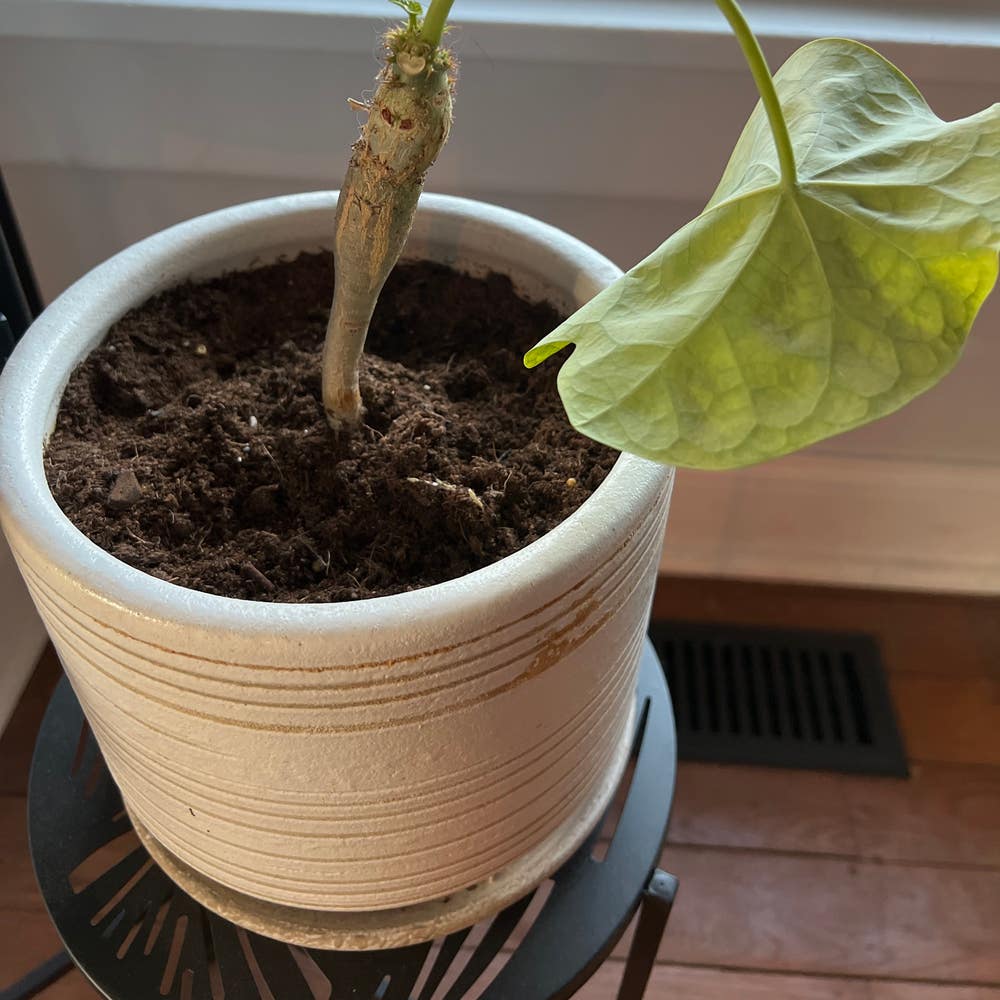
A taproot system features a single, thick primary root that delves deep into the soil. This structure is crucial for plants like Huanarpo Macho, as it allows them to access water sources that are otherwise unreachable, enhancing their drought resistance.
Huanarpo Macho roots are not just deep; they are also robust. Their thick, sturdy structure provides stability, ensuring the plant can withstand various environmental challenges. Additionally, these roots exhibit unique growth patterns that optimize nutrient uptake, making them efficient in resource gathering.
In summary, the taproot characteristics of Huanarpo Macho play a vital role in its overall health and resilience. Understanding these features can help you cultivate stronger plants, setting the stage for successful growth and development.
Next, we will explore the root depth, spread, and growth patterns of Huanarpo Macho, which further illustrate the importance of these taproot characteristics.
Root Depth, Spread, and Growth Patterns
🌱 Analysis of Root Depth and Spread
Huanarpo Macho roots can reach impressive depths of 2-3 feet (60-90 cm) under optimal conditions. This deep taproot allows the plant to access water sources that are otherwise unavailable, enhancing its drought resistance.
The horizontal spread of these roots can extend up to 3 feet (90 cm) or more, depending on the soil conditions and available space. This expansive root system is crucial for stability and nutrient absorption, making it a robust choice for various environments.
📈 Growth Patterns
During the initial establishment phase, Huanarpo Macho roots exhibit rapid growth. This quick development is vital for the plant's survival as it adapts to its new environment.
However, seasonal changes can affect growth rates. Extreme temperatures or drought conditions may slow root development, highlighting the importance of monitoring environmental factors.
Soil type also plays a significant role in root growth. Well-draining, loamy soils are ideal, promoting healthier root development and overall plant vigor.
Understanding these growth patterns can help you cultivate healthier Huanarpo Macho plants, ensuring they thrive in your garden. Next, we’ll explore essential practices for watering, fertilizing, and transplanting these resilient roots.
Watering, Fertilizing, and Transplanting
💧 Watering Practices
Maintaining consistent moisture is crucial for Huanarpo Macho roots. However, be cautious—overwatering can lead to root rot, a common issue that can devastate your plant.
To prevent this, allow the top 2 inches of soil to dry out between waterings. This practice encourages healthy root growth while avoiding the pitfalls of soggy soil.
🌱 Fertilization Strategies
Fertilizing your Huanarpo Macho roots is essential for robust growth. Use balanced NPK fertilizers during the growing season to provide the necessary nutrients.
Apply fertilizer every 4-6 weeks while the plant is actively growing. This regular feeding schedule will help your plant thrive and reach its full potential.
🌍 Transplanting Best Practices
Transplanting can be a delicate process, but timing is everything. The best times to transplant are early spring or fall, when the plant is less stressed.
Follow these steps for successful transplanting:
- Prepare the new planting hole, making it twice the width of the root ball.
- Gently loosen the root ball to avoid damaging the taproot.
- Water thoroughly after transplanting to help reduce transplant shock.
By following these guidelines, you can ensure your Huanarpo Macho roots remain healthy and vibrant. Next, we’ll explore common root-related issues and how to address them effectively.
Common Root-Related Issues
Identification of Problems 🌱
Understanding root-related issues is crucial for maintaining healthy Huanarpo Macho plants. One common problem is root rot, which manifests through yellowing leaves and wilting, even when the plant is adequately watered.
Another issue is compacted roots. Signs of this problem include stunted growth and poor nutrient uptake, indicating that the roots are struggling to expand and access essential resources.
Prevention and Solutions 🛠️
Preventing root rot starts with ensuring well-draining soil and using pots equipped with drainage holes. It's also vital to monitor your watering habits closely to avoid overwatering.
For compacted roots, repotting in fresh soil can encourage healthy root expansion. Additionally, aerating the soil improves drainage and allows roots to access more oxygen, promoting overall plant health.
By addressing these common root issues proactively, you can ensure your Huanarpo Macho thrives and continues to grow robustly. Next, we’ll explore how to identify indicators of root health to further enhance your plant care routine.
Indicators of Root Health
👀 Visual Cues
Healthy roots are a gardener's pride. Look for firm, white or light tan roots that spread evenly throughout the soil.
In contrast, unhealthy roots present a worrying sight. Dark brown or black roots, along with a mushy texture and foul odor, signal trouble beneath the surface.
📊 Other Indicators
Plant vigor is another key indicator of root health. Healthy plants showcase robust growth and vibrant foliage, reflecting their strong root systems.
Additionally, pay attention to soil moisture levels. Consistent moisture without sogginess is a good sign that your roots are thriving and well-aerated.
Understanding these indicators can empower you to take proactive steps in nurturing your plants. With a keen eye, you can ensure your Huanarpo Macho roots remain healthy and productive.
Next, let’s explore rootbound conditions and how to address them effectively.
Rootbound Conditions
Definition and Recognition 🌱
Rootbound conditions occur when a plant's roots grow in circles around the pot, restricting their growth. You can easily spot this issue if you see roots emerging from the drainage holes, notice stunted growth, or observe wilting despite adequate watering.
Addressing Rootbound Issues 🛠️
Timing is crucial for addressing rootbound issues. Intervene when you see roots visibly circling the pot or when growth has stalled.
To resolve rootbound conditions, follow these steps:
- Carefully remove the plant from its pot: Gently ease it out to avoid damaging the roots.
- Gently tease apart the roots: This encourages outward growth and helps the plant adapt to its new space.
- Repot into a larger container with fresh soil: Ensure the new pot has ample room for the roots to expand.
By taking these steps, you can help your Huanarpo Macho thrive and prevent future rootbound issues. Transitioning to a larger pot not only supports root health but also enhances the overall vitality of your plant.
Propagation and Division
🌱 Importance of Root Health
Healthy roots are the backbone of successful propagation and division. They not only increase survival rates but also promote vigorous growth, ensuring your Huanarpo Macho thrives in its new environment.
✂️ Techniques for Division
Timing is crucial when dividing your plant. The best time to do this is in early spring or fall, when the plant is not actively growing.
Steps for Successful Division
- Water the plant thoroughly before division to reduce stress. This helps the roots stay hydrated and makes the process smoother.
- Use clean, sharp tools to divide the root ball into sections. Clean tools prevent the risk of infection and ensure a clean cut.
- Ensure each section has a healthy portion of roots and foliage before replanting. This balance is vital for the new plants to establish themselves successfully.
By following these steps, you can effectively propagate your Huanarpo Macho, ensuring that each new plant has the best chance of thriving. Healthy roots lead to healthy plants, so take the time to care for them during this process.
Next, we’ll explore how to recognize and address rootbound conditions, ensuring your plants continue to grow without limitations.
⚠️ Safety First
This content is for general information and may contain errors, omissions, or outdated details. It is not medical, veterinary advice, or an endorsement of therapeutic claims.
Always consult a qualified healthcare professional before using any plant as food, medicine, or supplement.
Never eat any plant (or feed one to pets) without confirming its identity with at least two trusted sources.
If you suspect poisoning, call Poison Control (800) 222-1222, the Pet Poison Helpline (800) 213-6680, or your local emergency service immediately.
Spotted an error? Please report it here.
Care for your Huanarpo Macho's roots 🌱 by using Greg's tailored watering reminders and expert tips to promote thriving growth and resilience against environmental challenges!