🍃 How to Fix Curling Leaves on Your Huanarpo Macho
Jatropha macrantha
By the Greg Editorial Team
Nov 06, 2024•6 min read
This article was created with the help of AI so we can cover more plants for you. May contain errors. See one? Report it here.
Revive your Huanarpo Macho 🌱 by learning to diagnose and treat curling leaves effectively!
- 🌬️ Maintain humidity levels between 60-80% to prevent curling leaves on Huanarpo Macho.
- ☀️ Provide bright, indirect light; avoid direct sunlight to protect leaves from curling.
- 🐛 Regularly check for pests like spider mites to prevent damage and curling leaves.
Causes of Curling Leaves
🌬️ Environmental Stress Factors
Humidity plays a crucial role in the health of your Huanarpo Macho. Ideally, maintain humidity levels between 60-80% to promote optimal growth and prevent curling leaves.
Light exposure is another key factor. While your plant thrives in bright, indirect light, direct sunlight can scorch the leaves, leading to stress and curling.
Soil conditions also matter significantly. Well-draining soil is essential to prevent root stress, which can manifest as curling leaves.
🐛 Pest Infestations and Their Impact
Pests can wreak havoc on your Huanarpo Macho. Common culprits include spider mites, which leave behind webbing and stippled leaves, and aphids, known for their sticky residue and distorted foliage.
These pests not only affect leaf health but can also diminish the overall vigor of your plant. Early detection is vital to mitigate their impact.
🥦 Nutrient Deficiencies and Imbalances
Nutrient deficiencies can lead to curling leaves as well. Nitrogen is essential for leaf growth; without it, leaves may yellow and curl.
Magnesium is another critical nutrient, necessary for chlorophyll production. A deficiency here can also cause noticeable curling in the leaves.
💧 Watering Practices and Their Effects
Watering practices directly influence leaf health. Overwatering can lead to yellowing leaves and root rot, while underwatering results in dry, crispy edges and curling.
Establishing a consistent watering schedule is crucial. Regularly monitor soil moisture to ensure your plant receives the right amount of water.
🌡️ Temperature Fluctuations and Their Consequences
Temperature fluctuations can stress your Huanarpo Macho. The ideal temperature range is between 20°C to 30°C (68°F to 86°F).
When temperatures stray outside this range, you may notice signs of stress, such as curling leaves, wilting, and discoloration. Keeping your plant in a stable environment is key to its health.
Understanding these causes of curling leaves is the first step toward restoring your Huanarpo Macho's vitality. Next, we’ll explore how to diagnose these issues effectively.
Diagnosing Curling Leaves
🌿 Identifying Symptoms of Leaf Curl
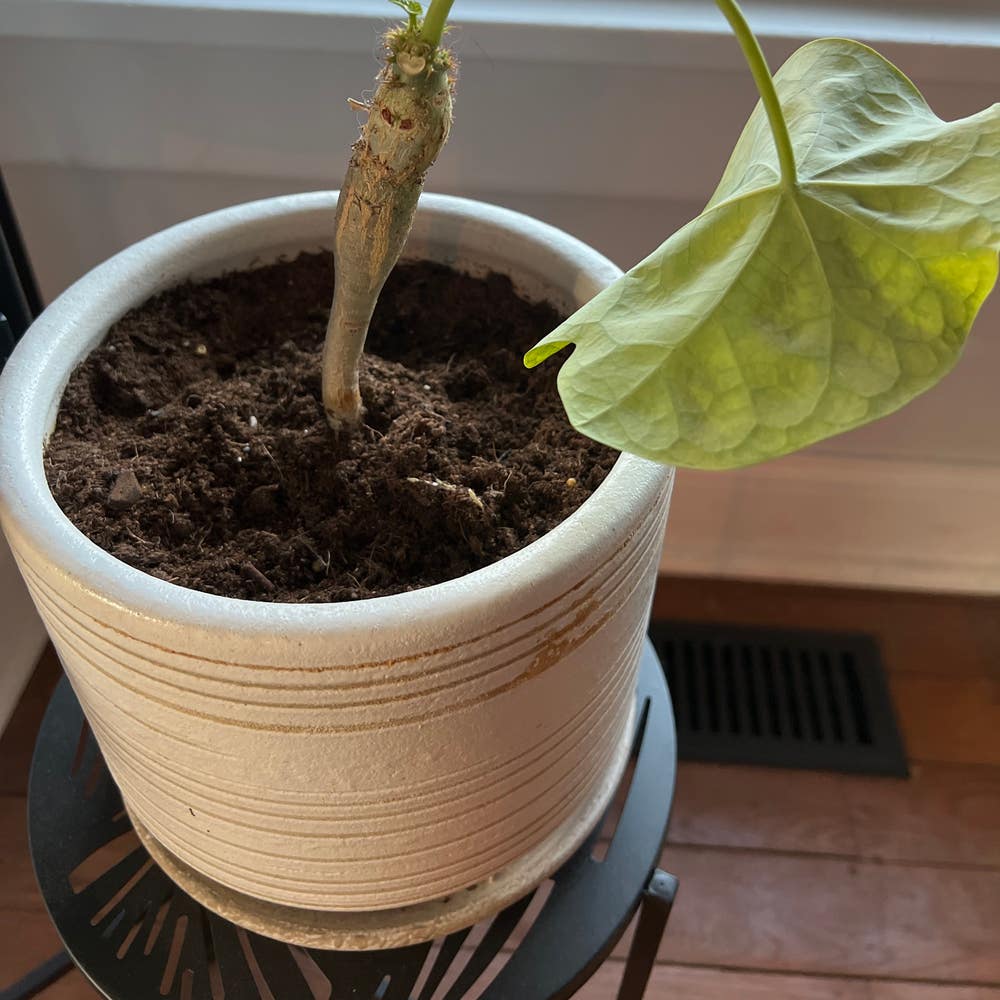
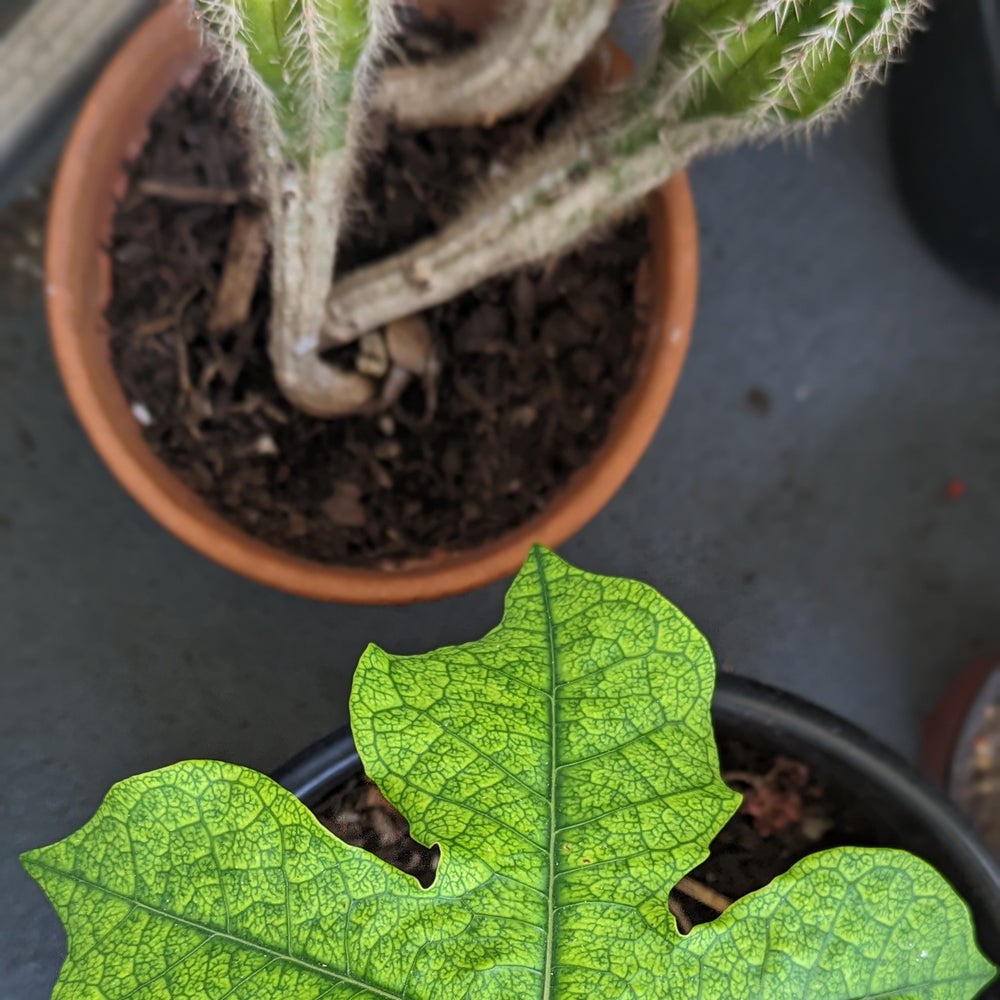
Curling leaves can signal various issues with your Huanarpo Macho. Pay attention to the type of curl: upward curling often indicates environmental stress, while downward curling may suggest pest problems or nutrient deficiencies.
Look for visual indicators of stress, such as discoloration, wilting, and changes in leaf texture. These signs can help you pinpoint the underlying cause of the curling.
🐜 Differentiating Between Causes (Pests vs. Environmental)
To determine whether pests or environmental factors are at play, start with a close inspection of the leaves. Check the undersides for insects, as many pests like spider mites and aphids tend to hide there.
Next, assess the environmental conditions. Evaluate humidity, light exposure, and temperature to see if they align with the ideal ranges for your plant. This dual approach will help you narrow down the cause of the curling leaves.
🌱 Assessing Plant Health and Growth Conditions
Evaluating soil moisture levels is crucial in diagnosing leaf curl. Use a moisture meter or perform a finger test to check if the soil is too dry or overly saturated.
Monitor your plant's growth patterns as well. Stunted growth can indicate stress, while healthy new growth suggests that your plant is thriving. Regular health checks are essential for catching issues early and ensuring your Huanarpo Macho remains vibrant and healthy.
By staying observant and proactive, you can effectively diagnose and address the causes of curling leaves, setting the stage for successful treatment.
Treating Curling Leaves
🐞 Step-by-Step Guide to Pest Control
To tackle pest issues effectively, start by inspecting your Huanarpo Macho thoroughly. Look for any signs of pests, such as webbing or sticky residue.
Next, choose the right pest control method. For organic control, neem oil is a great option, while insecticidal soap works well for more severe infestations.
After selecting your treatment, apply it according to the instructions and keep an eye on the results. Regular monitoring will help you gauge the effectiveness of your approach.
💧 Adjusting Watering Techniques
Watering practices play a crucial role in plant health. Establish a consistent watering schedule by watering when the top inch of soil feels dry.
Make sure to water thoroughly until excess drains out of the pot. Healthy, firm leaves without curling are signs that you’re on the right track with your watering routine.
🌱 Correcting Nutrient Deficiencies
Nutrient imbalances can lead to curling leaves, so conducting a soil test is essential. This will help you determine the nutrient levels in your soil.
Once you know what your plant needs, select appropriate fertilizers. Balanced NPK fertilizers support overall health, while specific supplements like magnesium sulfate can address particular deficiencies.
Be mindful of application methods and timing for the best results.
🌡️ Managing Humidity and Temperature
Humidity and temperature management are vital for your plant's well-being. To increase humidity, consider using a humidifier or placing pebble trays filled with water near your plant.
Grouping plants together can also create a beneficial microclimate. On the temperature front, avoid drafts and extreme changes to keep your plant comfortable.
Using thermometers to monitor indoor conditions will help you maintain a stable environment for your Huanarpo Macho.
By addressing these key areas, you can effectively treat curling leaves and promote a healthier, more vibrant plant. Next, let’s explore how to prevent curling leaves from occurring in the first place.
Preventing Curling Leaves
🌱 Best Practices for Care
To keep your Huanarpo Macho thriving, regularly check humidity and temperature levels. Aim for a humidity range of 60-80% and maintain temperatures between 20°C to 30°C (68°F to 86°F) for optimal growth.
Providing adequate light is crucial, but avoid direct sunlight, which can scorch the leaves. Instead, opt for bright, indirect light to promote healthy foliage.
Using a quality potting mix is another key factor. Choose a blend that retains moisture while ensuring proper drainage to prevent root stress.
🔍 Regular Monitoring and Maintenance Tips
Conduct weekly inspections for pests and signs of stress. Early detection can save your plant from significant damage.
Adjust your care routines based on seasonal changes. For instance, you may need to increase humidity in winter when indoor air tends to be drier.
Keeping a care journal can also be beneficial. Documenting plant health and changes helps you identify patterns and adjust your care strategies effectively.
By implementing these practices, you can significantly reduce the risk of curling leaves and ensure your Huanarpo Macho remains vibrant and healthy. Next, let’s explore how to diagnose curling leaves effectively.
⚠️ Safety First
This content is for general information and may contain errors, omissions, or outdated details. It is not medical, veterinary advice, or an endorsement of therapeutic claims.
Always consult a qualified healthcare professional before using any plant as food, medicine, or supplement.
Never eat any plant (or feed one to pets) without confirming its identity with at least two trusted sources.
If you suspect poisoning, call Poison Control (800) 222-1222, the Pet Poison Helpline (800) 213-6680, or your local emergency service immediately.
Spotted an error? Please report it here.
Keep your Huanarpo Macho curl-free 🌿 by using Greg's tailored reminders for humidity and watering, ensuring your plant thrives with the perfect care it deserves!