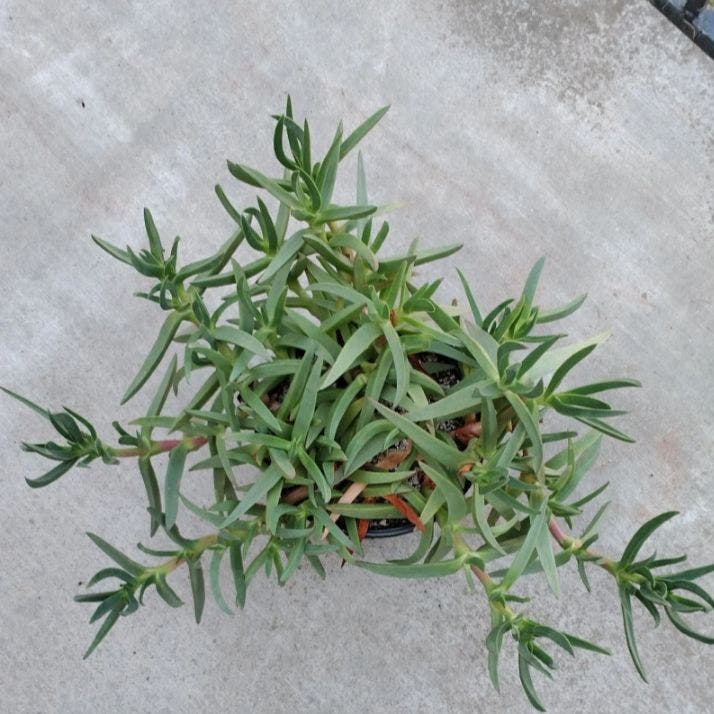
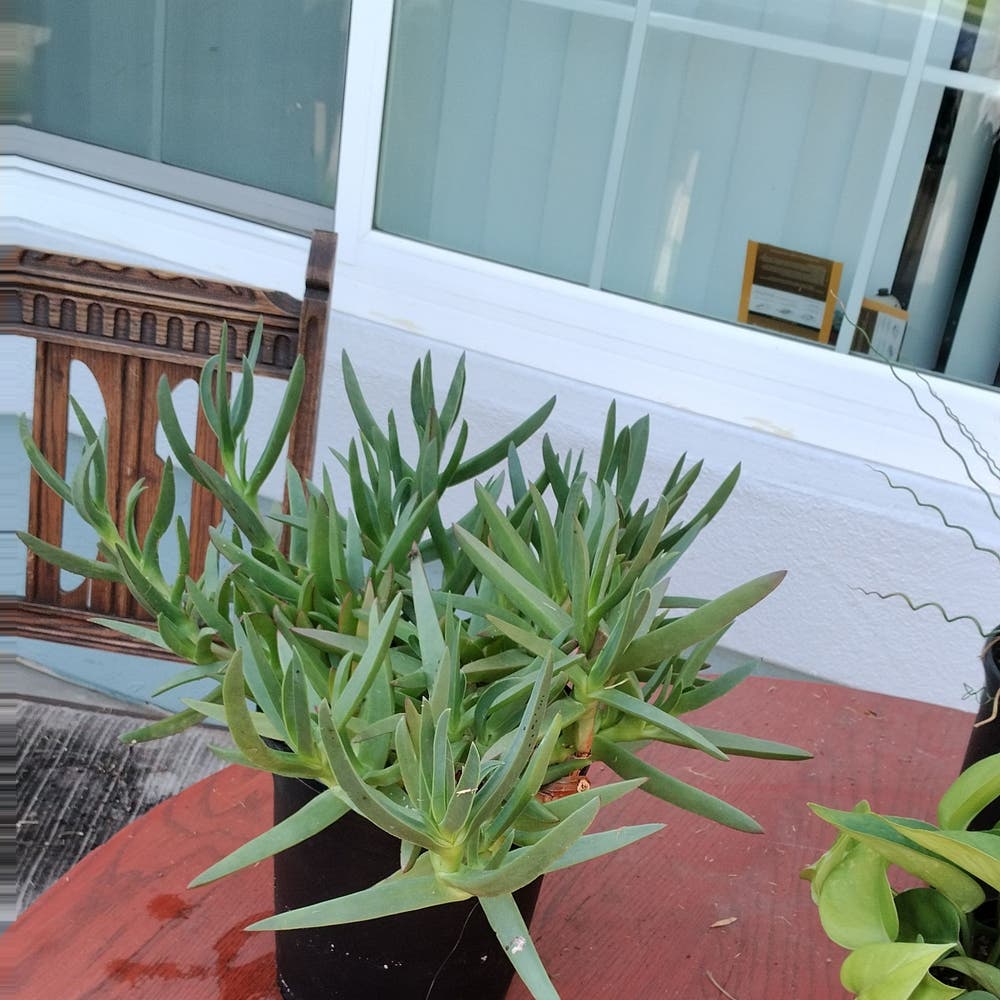
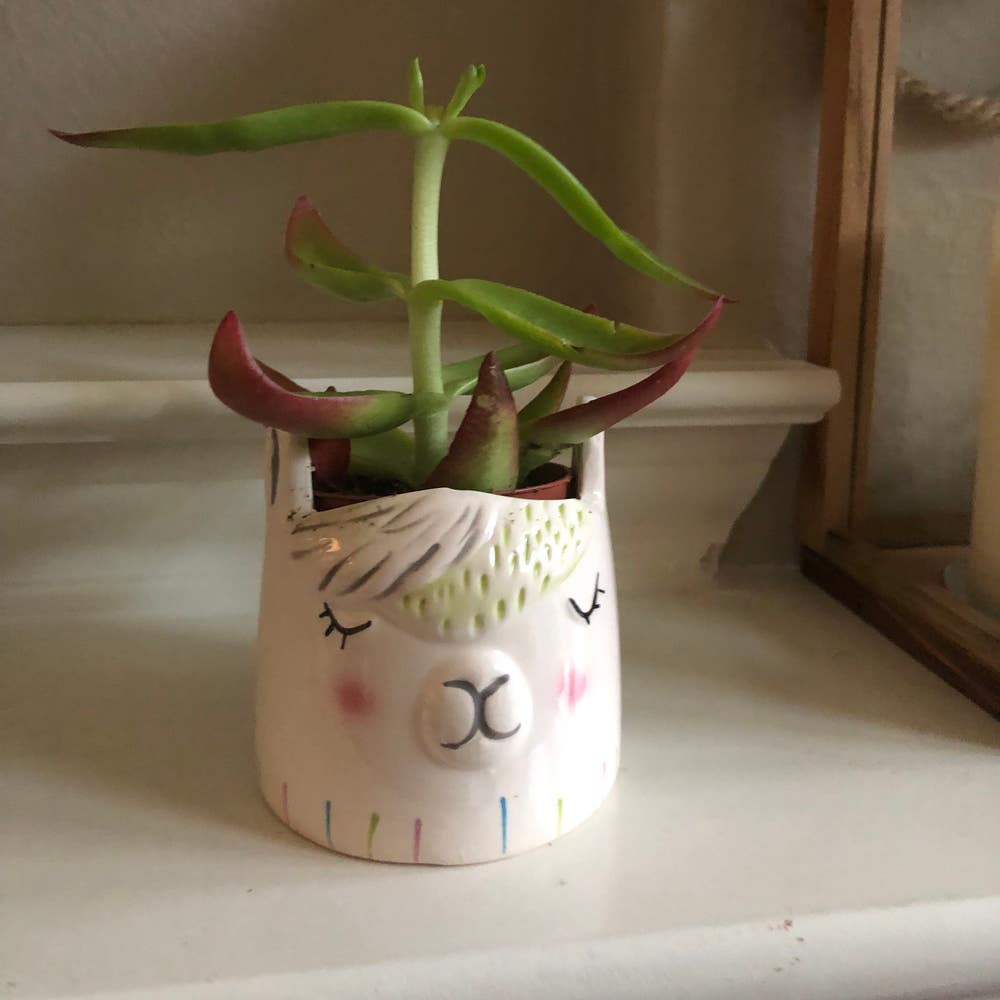
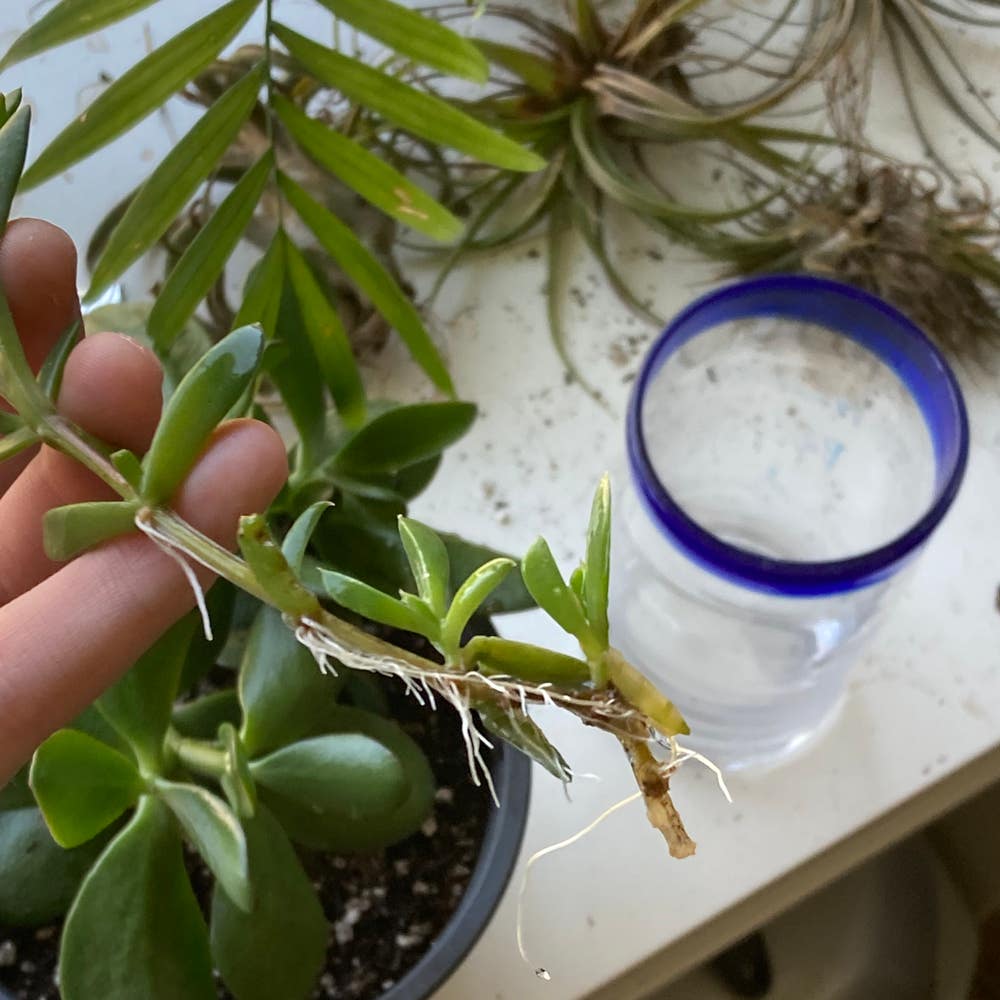
Should I Repot My Hottentot Fig And If So, How?
Carpobrotus edulis
By the Greg Editorial Team
Jun 18, 2024•5 min read
This article was created with the help of AI so we can cover more plants for you. May contain errors. See one? Report it here.
Boost your Hottentot Fig's zest for life 🌿 by nailing the perfect repotting moment and method.
- 🌱 Root-bound signs and sluggish growth signal repotting time.
- Spring repotting aligns with Hottentot Fig's growth phase.
- Choose the right pot and soil for a happy plant post-repot.
Spot the Signs: When Your Hottentot Fig Needs a New Home
🌱 Root Clues: Recognizing a Root-Bound Plant
Roots making a break for it out of the drainage holes or swirling on the surface are your Hottentot Fig staging a jailbreak. It's cramped in there. If you spot a root tangle that rivals headphones in a pocket, it's time to upsize the pot.
📉 Sluggish Growth: When Your Plant's Size Tells a Story
A Hottentot Fig that's stopped growing is like a teenager that's stopped eating—something's up. It's not just taking a growth hiatus; it's silently pleading for more room to stretch its roots.
💧 Drainage Dilemmas: Watering Woes as a Repotting Signal
Water that races through the pot like it's late for a meeting is a sign your plant's living quarters are too snug. Soil should hug water, not shun it. If your watering routine feels more like a pouring ritual than actual hydration, grab a new pot.
🌸 Seasonal Timing: Picking the Perfect Time of Year for Repotting
Spring is the Hottentot Fig's version of moving day. It's when the plant is in the zone, ready to grow. Repotting during this season is like giving your plant a shot of espresso, minus the jitters.

Choosing the Right Pot
📏 Size Matters: Finding the Perfect Fit for Your Hottentot Fig
Size is non-negotiable when selecting a new pot for your Hottentot Fig. A pot too large can drown the roots in soil and water, while a snug fit can choke and restrict growth. Aim for a pot that's just right—about 1 to 2 inches larger in diameter than the current one to allow room for growth without overdoing it.
💨 Breathability and Drainage: Why Pot Material Affects Your Plant's Happiness
The material of the pot is like the lungs for your plant's roots. Terracotta pots are the breathable choice, letting air in and moisture out, reducing the risk of root rot. Plastic pots, on the other hand, retain moisture longer, which can be a double-edged sword depending on your watering habits and climate.
🏺 Terracotta vs. Plastic vs. Ceramic: Pros and Cons for Hottentot Fig
- Terracotta: Pros include excellent drainage and breathability, while cons are their weight and tendency to dry out quickly.
- Plastic: Lightweight and cost-effective, but beware, they can trap moisture and heat, potentially leading to root issues.
- Ceramic: These pots balance moisture retention and breathability, with the downside being their weight and risk of cracking.
Remember, the right pot is a balance of practicality and aesthetics. It's not just about looking good; it's about fostering a healthy environment for your Hottentot Fig to thrive.

The Repotting Rundown: A Step-by-Step Guide
🌱 Prepping Your Plant: Soil Assessment and Root Preparation
Before you dive into the repotting process, assess the soil and roots of your Hottentot Fig. If the soil looks exhausted or the roots are cramped, it's time to give your plant some love. Gently remove your plant from its current pot, taking care not to damage the roots. Shake off the old soil and check for any signs of rot or pests.
🚪 Out with the Old: How to Safely Remove Your Hottentot Fig
To safely evict your plant from its old home, tip the pot and coax the plant out. If it's stubborn, you might need to tap the pot's edges on a firm surface. Once it's out, take a moment to admire the root system; it's a hidden wonderland that's been supporting your leafy friend all this time.
🏡 In with the New: Placing Your Plant in its New Pot
Now, grab your new pot—it should be a size up from the old one and have drainage holes. Pop a layer of fresh potting mix in the bottom. Then, center your Hottentot Fig in the pot, and fill the sides with more mix. Remember, the plant's crown should sit at the same level as before, like a king on its throne.
🌱 The Right Mix: Selecting and Preparing the Ideal Soil
Your Hottentot Fig craves a well-draining soil mix. Think compost, peat moss, and a bit of perlite for that airy touch. Mix it up like you're a DJ at the decks, ensuring it's loose and ready to welcome those roots. This is the foundation of your plant's new abode, so make it count.

Immediate Aftercare: Helping Your Hottentot Fig Settle In
💧 The First Watering: When and How Much
Watering your Hottentot Fig post-repotting is a delicate dance. Give it a drink with room temperature water until it drains freely from the bottom, but don't create a swamp. The goal is moist soil, not a mud bath.
🌿 Location, Location, Location: Finding the Ideal Spot for Recovery
Light is crucial, but your plant doesn't need a sunburn. Find a spot with bright, indirect light where it won't bake. Stability is key, so avoid places with drafts or temperature swings that could stress your plant out more than a Monday morning.
🚨 Stress Signals: Keeping an Eye Out for Post-Repotting Distress
Stay vigilant for signs of distress like droopy leaves or a general look of "I've had better days." Adjust care routines gently—no drastic changes. It's like being a plant therapist; listen to what your Hottentot Fig is telling you through its leaves and soil.
⚠️ Safety First
This content is for general information and may contain errors, omissions, or outdated details. It is not medical, veterinary advice, or an endorsement of therapeutic claims.
Always consult a qualified healthcare professional before using any plant as food, medicine, or supplement.
Never eat any plant (or feed one to pets) without confirming its identity with at least two trusted sources.
If you suspect poisoning, call Poison Control (800) 222-1222, the Pet Poison Helpline (800) 213-6680, or your local emergency service immediately.
Spotted an error? Please report it here.
Repot your Hottentot Fig with confidence 🌿 using Greg's tailored reminders and spot-on care tips, ensuring it thrives in its new home.