Is My Hottentot Fig Getting Too Much Direct Sunlight?
Carpobrotus edulis
By the Greg Editorial Team
Jun 18, 2024•3 min read
This article was created with the help of AI so we can cover more plants for you. May contain errors. See one? Report it here.
Discover how to keep your Hottentot Fig perfectly sun-kissed, not sunburnt! 🌞🌿
- 🌞 Direct sunlight is vital but too much can cause sunburn.
- Window orientation matters for ideal Hottentot Fig placement.
- Morning light and shades protect from harsh midday sun.
When Sun Meets Fig: Direct Sunlight's Impact on Hottentot Fig
🌞 Sunbathing Basics
Direct sunlight is the intense, unfiltered sunshine that bathes your Hottentot Fig in warmth and energy. It's the kind of light that can either make or break your plant's day.
Hottentot Figs harness this light for photosynthesis, converting those golden rays into the sugars they need to thrive. But there's a catch – too much of this good thing can lead to trouble.
🌡️ Too Hot to Handle?
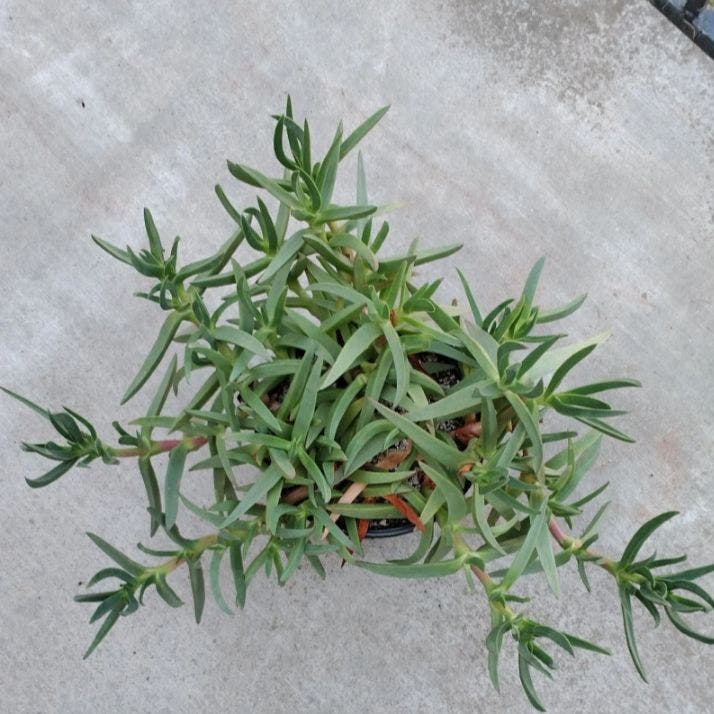
Recognizing overexposure is crucial. Your plant might be crying out for help if its leaves start to mimic a lobster's sunburn – think crispy edges and faded colors.
There's a fine line between a healthy glow and a full-blown sunburn. Hottentot Figs can get too much of a good thing, leading to stressed plants and stunted growth. Keep an eye out for the warning signs before your fig's tan turns into a burn.

Window Wisdom: Finding the Perfect Spot for Your Hottentot Fig
🧭 Direction Matters
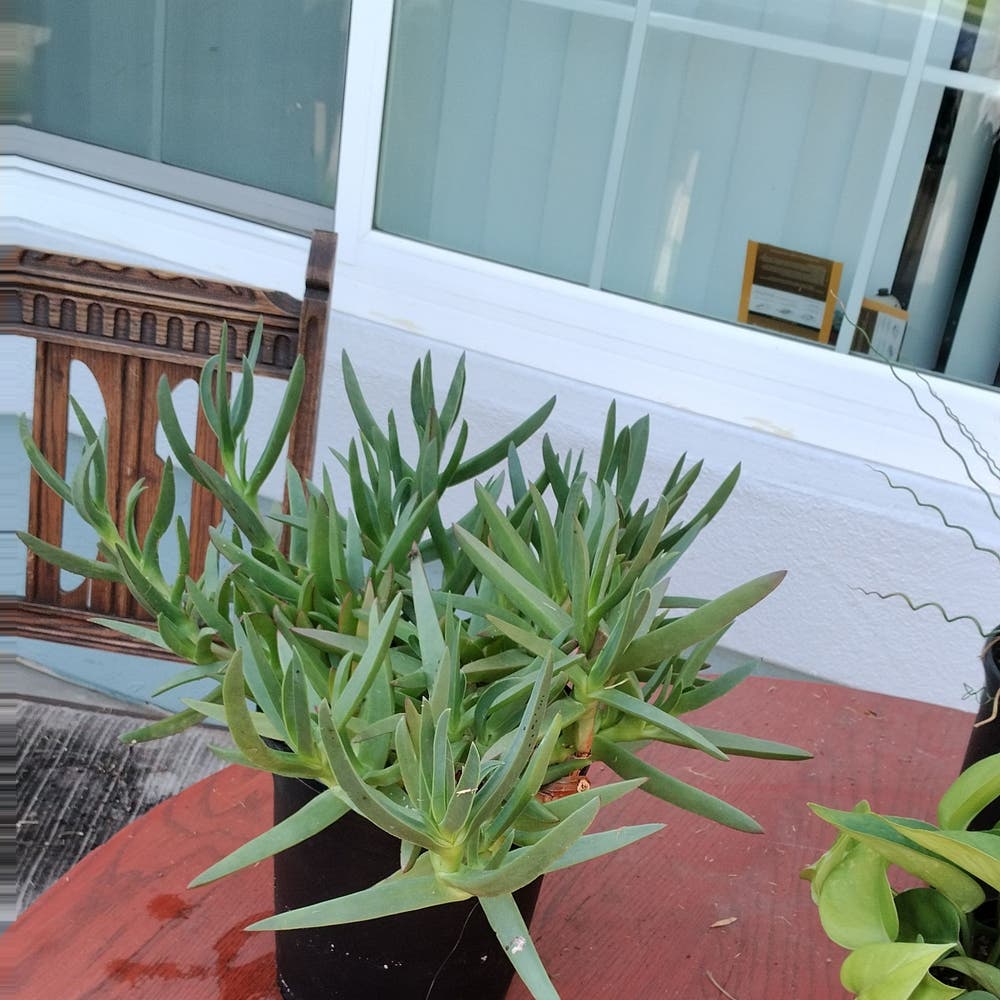
In the quest for the ideal location, understanding your window's orientation is crucial for your Hottentot Fig's happiness. North-facing windows offer a consistent but gentle light, perfect for those who fear the scorch. South-facing windows are the sunbathing hotspots, great for a Hottentot Fig that craves intensity. If your plant could talk, it'd probably ask for an east or west window, where the light is bright but not too harsh—like a morning coffee or an afternoon siesta for your green buddy.
🌐 Hemisphere Highlights
Here's where it gets interesting: your hemisphere flips the script. If you're chilling in the Northern Hemisphere, south-facing windows are your plant's best friend for that golden glow. But if you're hanging out in the Southern Hemisphere, it's the north-facing windows that'll give your Hottentot Fig the spotlight it deserves. It's not just about avoiding the sunburn; it's about giving your plant the right amount of sun-kissed love without overdoing it.

Sunlight Strategies: Protecting Your Hottentot Fig from Sun Stress
🌅 Timing is Everything
Morning light is your Hottentot Fig's best friend; it's like a gentle wake-up call rather than a blaring alarm. Aim for exposure during the early hours when the sun's rays are kinder. As the day progresses, the sunlight intensifies, so watch the clock and your plant.
😎 Shielding from the Rays
Think of window coverings as sunglasses for your plant. Sheer curtains or blinds can take the edge off the midday glare, offering a softer light that your Hottentot Fig can bask in without the risk of a sunburn. If you're dealing with a heatwave, a temporary shade cloth can be a plant lifesaver, keeping your leafy companion cool when the temperatures soar.

Recognizing and Reacting to Sunlight Stress
🌞 Spotting Trouble
When your Hottentot Fig starts looking more fried than a beachgoer without sunscreen, it's signaling an SOS. Scorched tips, yellowing leaves, or brown patches are the plant's way of crying out for a break from the sun's relentless rays. It's not being dramatic; it's genuinely stressed.
🚑 Quick Fixes
If your Hottentot Fig is throwing shade by showing damage, act swiftly. Move it out of the sun's direct hit list to a spot with gentler light. Remember, this isn't a retreat; it's a strategic repositioning. Keep the plant in a well-lit area, but where the sun's rays are more of a gentle caress than a smackdown. And don't forget to rotate it occasionally—every side deserves its moment in the sun, just not all at once.
⚠️ Safety First
This content is for general information and may contain errors, omissions, or outdated details. It is not medical, veterinary advice, or an endorsement of therapeutic claims.
Always consult a qualified healthcare professional before using any plant as food, medicine, or supplement.
Never eat any plant (or feed one to pets) without confirming its identity with at least two trusted sources.
If you suspect poisoning, call Poison Control (800) 222-1222, the Pet Poison Helpline (800) 213-6680, or your local emergency service immediately.
Spotted an error? Please report it here.
Avoid the sunburn blues for your Hottentot Fig by letting Greg pinpoint 📍 the ideal window spot, ensuring your green friend gets the perfect amount of daily sunshine.