How to Prune Hottentot Fig
Carpobrotus edulis
By the Greg Editorial Team
Jun 18, 2024•3 min read
This article was created with the help of AI so we can cover more plants for you. May contain errors. See one? Report it here.
Achieve a thriving Hottentot Fig 🌿 with smart pruning for health and beauty!
- Prune in spring/summer for vigorous growth and bloom cycles.
- 🌿 Use sharp, clean tools to avoid plant damage and disease.
- Post-prune care is crucial for quick healing and robust health.
When to Wield the Shears
🌱 Best Time to Prune
Spring into action with your pruning shears during the active growth seasons, spring or summer. This is when your Hottentot Fig is most resilient and can recover rapidly from a trim. Pruning during dormancy? That's a hard pass—your plant's not ready for that kind of surprise.
🍂 Seasonal Pruning Tips
Spring and Summer
In spring, go for growth by removing dead or overgrown stems to encourage a fresh burst of foliage. Summer demands a lighter touch; think of it as a plant haircut to maintain shape and health without stressing it out.
Fall and Winter
As autumn leaves fall, so should your pruning frequency. Prepare your plant for the cooler months by reducing heavy cuts. Winter is mostly a no-prune zone, but if you spot a rogue branch, feel free to snip it off. Just remember, less is more when the temperatures drop.

Making the Cut
🌱 Identifying What to Prune
Pruning your Hottentot Fig begins with a critical eye. Dead or damaged stems are the first to go, followed by overgrown areas that disrupt the plant's symmetry. Look for leaves that have seen better days—those are your targets.
🌿 Pruning Techniques for Health
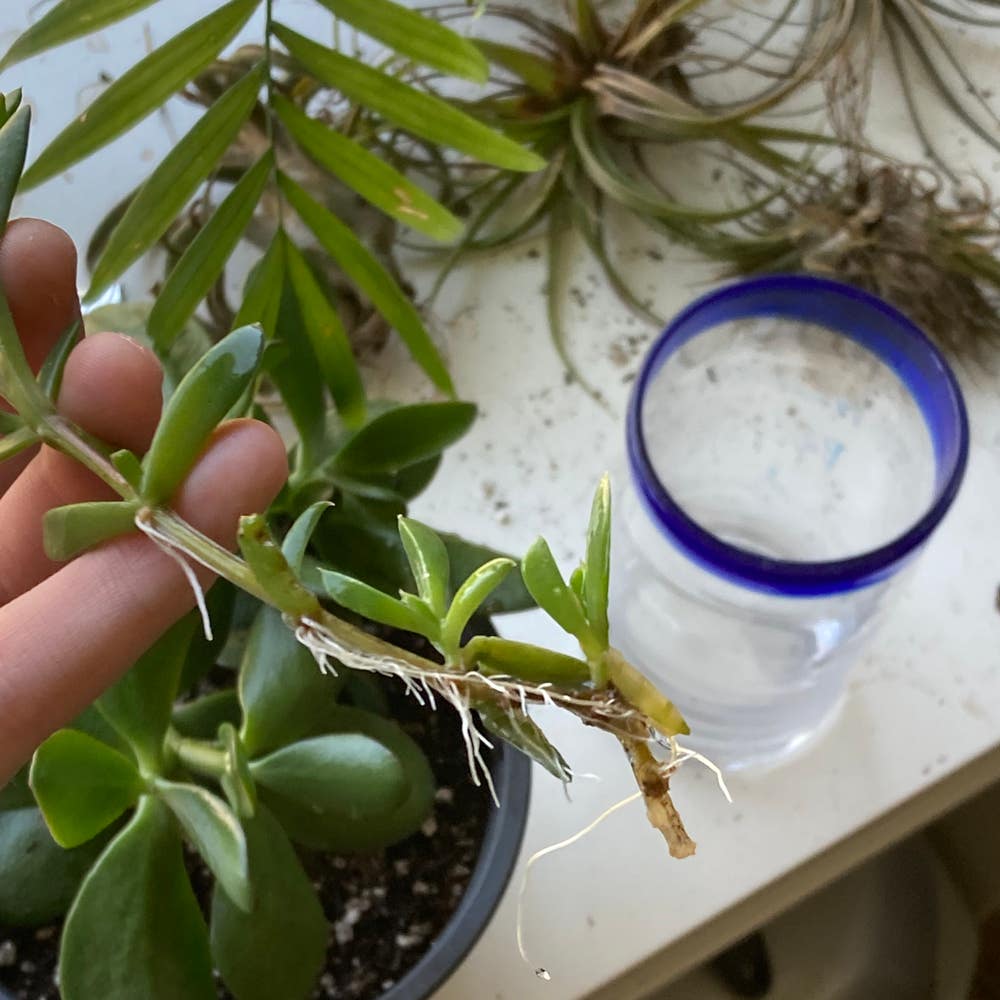
Sharp, clean tools are non-negotiable; they're the surgeon's scalpel of the plant world. Make cuts near the base, but leave a sliver of stem to avoid wounding the main plant. Remember, it's a delicate dance, not a race—never remove more than 25% of the plant at once.
✂️ Shaping Your Hottentot Fig
Envision the desired shape before you start snipping. Aim for a form that complements your space and pleases the eye. Balance is key—trim strategically to encourage a symmetrical growth pattern. It's not just about cutting; it's about sculpting living art.

Pruning with Purpose
🌱 Encouraging Bushier Growth
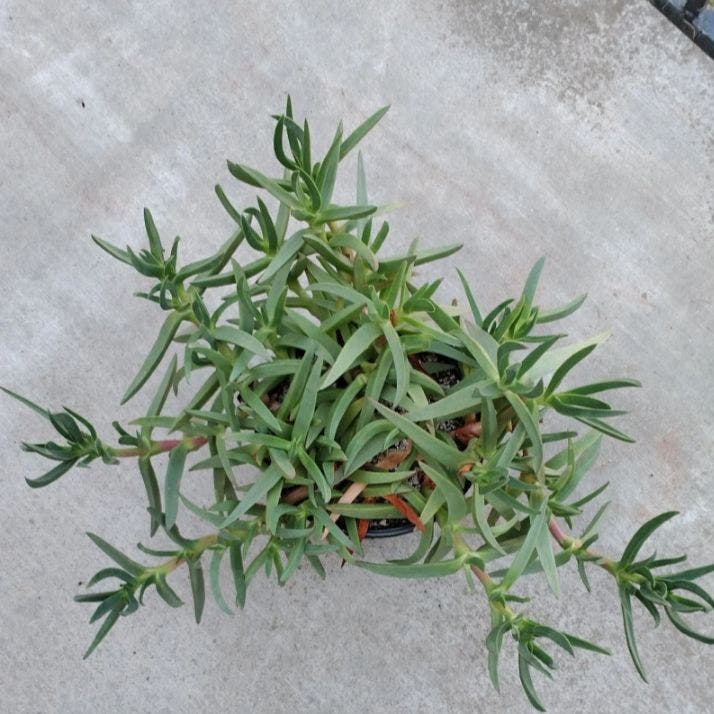
Pruning isn't just about snipping away—it's about strategic growth. To get that lush, full look for your Hottentot Fig, you'll want to focus on the green tips. Avoid shearing the whole plant; that's a rookie move. Instead, clip the tips with secateurs, just above the nodes. This tells your plant to branch out, literally. It's like giving it a mission: "Grow, baby, grow!"
🚫 Preventing Overcrowding
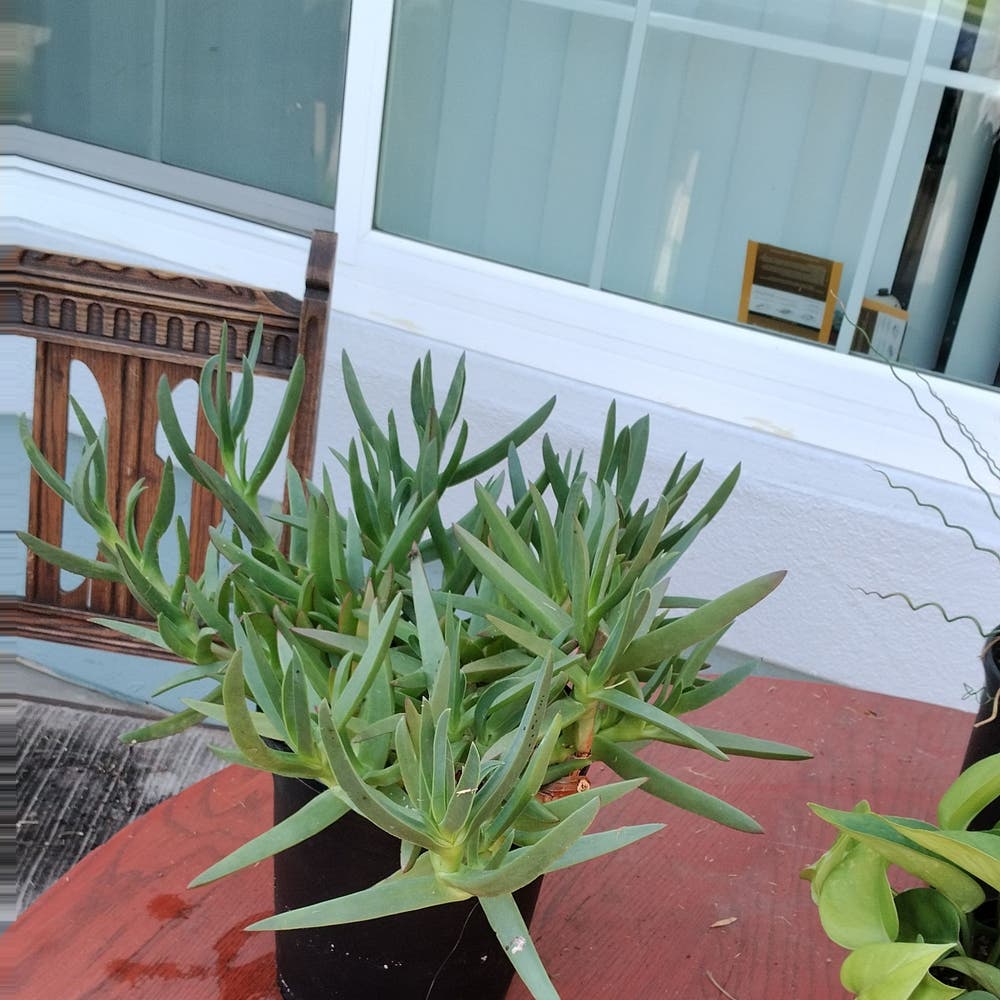
Thinning out is the plant equivalent of decluttering your closet. Look for branches that are crossing or rubbing, creating drama where you don't need it. Remove the weaker ones to let the stronger sibling flourish. It's not just about avoiding a tangled mess; it's about preventing wounds and diseases. Remember the one-third rule: never remove more than a third of the plant's mass in one go. It's about quality, not a bald Hottentot.

After the Snip: Post-Pruning Care
🌱 Healing and Recovery
After pruning your Hottentot Fig, immediate care is crucial. This is the plant's recovery phase, where it redirects energy to heal and grow. Water the plant thoroughly, but avoid waterlogging – think of it as a refreshing drink, not a flood. Monitor the plant for new growth, a sure sign of successful recovery. If you see black spots or wilting, it's back to the drawing board.
🔪 Keeping Your Tools in Check
Clean, sharp tools are non-negotiable for pruning. Before and after each use, disinfect your shears or knife to prevent the spread of disease. A quick swipe with rubbing alcohol or a mild bleach solution does the trick. Sharpening your tools is like honing a chef's knife – essential for precision and health. Dull blades can crush stems, inviting pathogens and pests. Store your tools dry and clean, ready for the next pruning session.
⚠️ Safety First
This content is for general information and may contain errors, omissions, or outdated details. It is not medical, veterinary advice, or an endorsement of therapeutic claims.
Always consult a qualified healthcare professional before using any plant as food, medicine, or supplement.
Never eat any plant (or feed one to pets) without confirming its identity with at least two trusted sources.
If you suspect poisoning, call Poison Control (800) 222-1222, the Pet Poison Helpline (800) 213-6680, or your local emergency service immediately.
Spotted an error? Please report it here.
Ensure your Hottentot Fig is pruned to encourage lush growth 🌿 with Greg's timely reminders tailored to your plant's specific needs and seasons.