Why Are My Hottentot Fig Leaves Curling?
Carpobrotus edulis
By the Greg Editorial Team
Jun 18, 2024•5 min read
This article was created with the help of AI so we can cover more plants for you. May contain errors. See one? Report it here.
Unravel the mystery of your Hottentot Fig's curling leaves and restore its lush beauty! 🌿
- Curling leaves signal distress, often due to water issues or temperature swings.
- 🐛 Pests and diseases like aphids and root rot can also cause leaf curling.
- Prevent curling with proper watering, stable conditions, and regular plant checks.
Spotting the Signs: When Your Hottentot Fig is Unhappy
🚨 Visual Symptoms of Distress
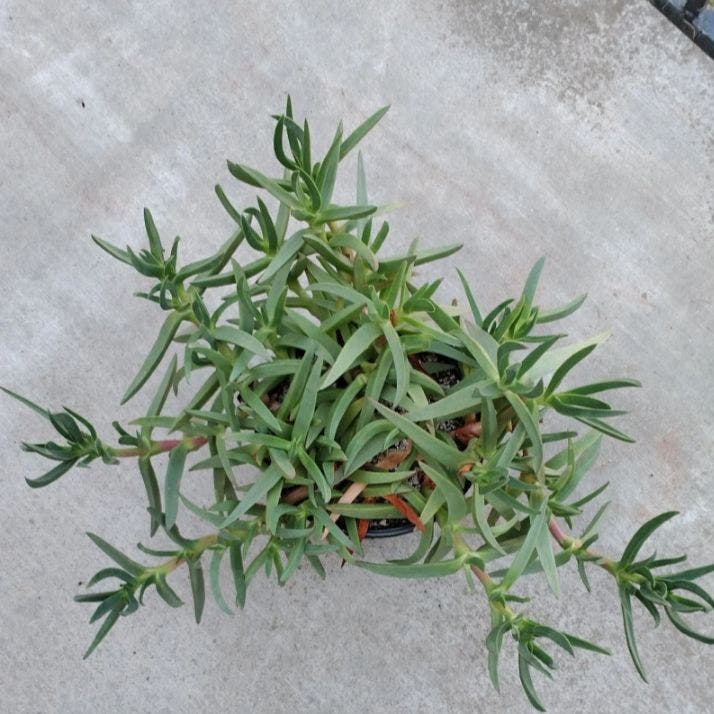
Curling leaves on your Hottentot Fig can be as dramatic as a rolled-up scroll. This is your plant's version of a distress signal, and it's not pulling any punches. The leaves might take on a crispy texture, and you'll see them contorting into gymnast-worthy spirals.
Beyond the Curl: Other Warning Signals
But wait, there's more. If you see leaves that look like they've been through a desert without water, puffiness, or the appearance of small black dots, your Hottentot Fig is sending an SOS. Discoloration is another red flag; it's like the plant's way of saying, "Hey, I'm not feeling so hot." Keep an eye out for these troublemakers, because they're the sidekicks to leaf curling in the unhappy plant saga.

The Usual Suspects: Identifying What's Bugging Your Plant
💧 Thirsty Roots or Drowning Leaves?
Underwatering and overwatering can leave your Hottentot Fig in a state of despair. The leaves curl as a cry for help; they're either gasping for moisture or suffocating from too much.
To tell the difference, check the soil. If it's as dry as a week-old baguette, it's time to water. But if it's soggy, like a forgotten sponge in the sink, ease up on the hydration station.
🌡️ Too Hot to Handle or Chilly Reception?
Temperature swings are like bad dates for your Hottentot Fig—uncomfortable and potentially damaging. Heat stress can make leaves curl up as if trying to escape the scorching sun, while cold drafts can cause them to pucker tighter than a snail in salt.
Keep your plant in a spot that's just right, away from radiators and drafty windows, to avoid these temperature tantrums.
🐜 Uninvited Guests: Pests and Diseases
Pests such as aphids, spider mites, and mealybugs treat your Hottentot Fig like an all-you-can-eat buffet, sucking the life out of the leaves until they curl from trauma.
Fungal infections like root rot are the silent killers, thriving in overly moist soil. If your plant's roots are more brown than a potato and smell like last week's compost, it's time for an intervention.
To combat these critters and conditions, introduce a regular check-up routine. Inspect your plant like a detective at a crime scene, and be ready to act with neem oil or a soil switcheroo.

First Aid for Curly Leaves
🌡️ Adjusting Your Plant's Environment
The Hottentot Fig is no drama queen, but it does have its preferences. Keep it in that Goldilocks zone of not too hot, not too cold. Humidity should be just right—enough to feel fresh, but not so much that you're living in a cloud. If your indoor air is Sahara-like, consider a humidifier or a pebble tray to up the moisture without going full rainforest.
💧 Watering Wisdom: Finding the Balance
Watering is an art form with the Hottentot Fig. The goal is evenly moist soil—think of a wrung-out sponge. Let the top inch dry out before you water again, and always use pots with drainage holes. Overwatering is like giving your plant a bath with no way to get out—root rot city.
🐜 Pest Control: Evicting the Intruders
Pests are like that one guest who overstays their welcome. Inspect your plant regularly for freeloaders. If you spot trouble, isolate your Hottentot Fig faster than you'd swipe left on a bad dating profile. Treat with neem oil or insecticidal soap, but avoid chemical warfare unless absolutely necessary. Remember, the best offense is a good defense—keep your plant healthy, and pests will often look elsewhere for their next meal.

Keeping the Leaves Flat: Prevention Strategies
🛡️ Consistency is Key: Maintaining an Ideal Environment
Stable conditions are your Hottentot Fig's best friend. To prevent those leaves from taking on a life of their own, here's the drill:
- Light: Your plant's a sun worshipper, but not a sunbather. Aim for bright, indirect light.
- Temperature: Keep it comfy, between 65-75°F (18-24°C). No sudden temperature changes, please.
- Humidity: Think coastal vibes. Not too muggy, not too dry. A consistent humidity level is the sweet spot.
💡 The Proactive Approach: Regular Checks and Balances
Routine is not just for gym enthusiasts; it's a plant's lifeline. Here's how to keep your Hottentot Fig in check:
- Inspect: Be the Sherlock of plant care. Look for early signs of distress like discoloration or, obviously, curling leaves.
- Water: Do the touch test. Top inch of soil dry? Time to hydrate. But don't drown it; no plant likes waterlogged roots.
- Pests: Got bugs? Show them the exit with insecticidal soap or neem oil. Regularly.
- Prune: Keep it trim. Pruning encourages healthy growth and airflow.
- Clean: Wipe those leaves. Dust is a no-go for photosynthesis.
- Fertilize: Feed it, but don't overfeed. A balanced fertilizer during the growing season will do.
Remember, your Hottentot Fig doesn't need a helicopter parent, just a vigilant one. Keep these routines, and those leaves will stay as flat as a board.
⚠️ Safety First
This content is for general information and may contain errors, omissions, or outdated details. It is not medical, veterinary advice, or an endorsement of therapeutic claims.
Always consult a qualified healthcare professional before using any plant as food, medicine, or supplement.
Never eat any plant (or feed one to pets) without confirming its identity with at least two trusted sources.
If you suspect poisoning, call Poison Control (800) 222-1222, the Pet Poison Helpline (800) 213-6680, or your local emergency service immediately.
Spotted an error? Please report it here.
Keep your Hottentot Fig's leaves perfectly flat by monitoring and adjusting 🔄 its care with Greg's insightful environment tracking and pest prevention tips.