Ultimate Guide to Humidity for Hottentot Fig
Carpobrotus edulis
By the Greg Editorial Team
Jul 21, 2024•5 min read
This article was created with the help of AI so we can cover more plants for you. May contain errors. See one? Report it here.
Discover the secret to a thriving Hottentot Fig 🌿 by nailing the ideal humidity balance!
- 🌊 Coastal plant needs: Hottentot Fig thrives at 40-50% humidity.
- 💧🌡️ Monitor and adjust humidity to prevent stunted growth or root rot.
- 🌬️ Balance humidity and airflow to avoid fungal infections.
Hottentot Fig Humidity Basics
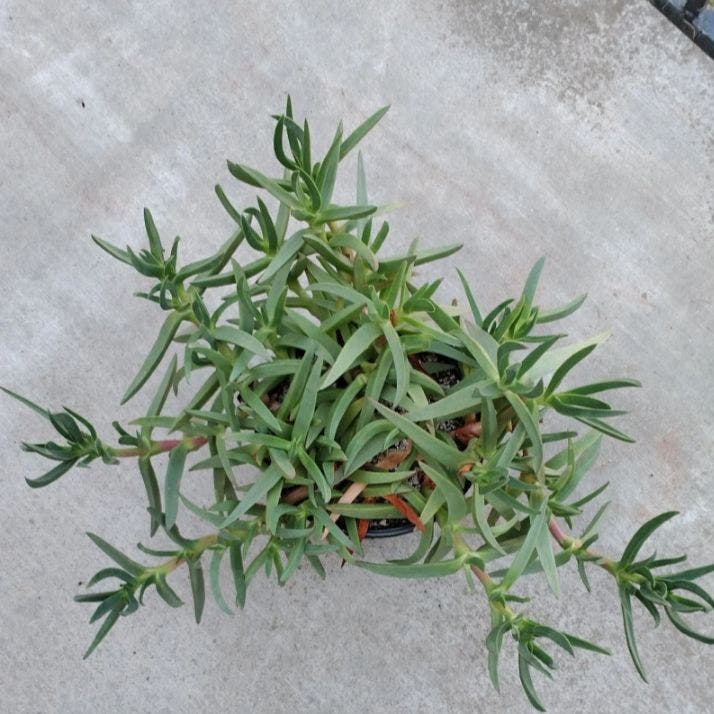
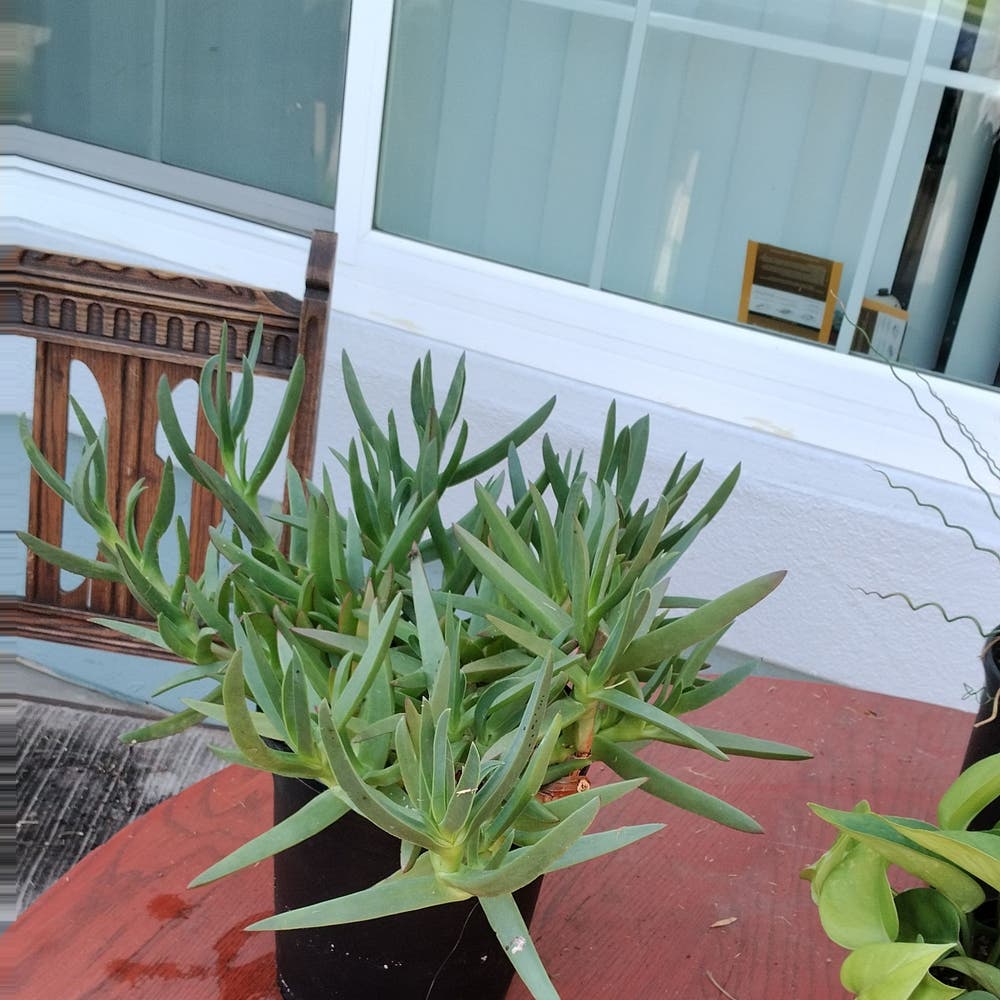
The Hottentot Fig thrives in its native coastal environments, where the air's moisture plays a key role in its health.
🌊 Absolute and Relative Humidity
- Absolute humidity is the total water vapor in the air, essential for understanding the moisture available to your Hottentot Fig.
- Relative humidity, the percentage of moisture air holds relative to its maximum at a given temperature, directly affects the plant's well-being.
🌡️ Assessing Your Local Humidity
- Compare your local humidity levels with those of the Hottentot Fig's natural habitat to gauge your plant's needs.
- Use a hygrometer to monitor the humidity around your plant, ensuring it lives in its preferred moist environment.
Optimal Humidity Range
Hottentot Figs flourish in a specific humidity range that mimics their native coastal climates. Here's what you need to know:
- The ideal humidity range for Hottentot Fig growth is between 40% and 50%.
- Signs of humidity stress include:
- Brown, crispy leaf edges indicating low humidity.
- Limp, discolored leaves suggesting excessive moisture.
🌊 Consequences of Incorrect Humidity
Getting the humidity wrong can have dire effects on your Hottentot Fig's health. Here's how to tackle these challenges:
Low humidity can lead to:
- Stunted growth and brittle leaves.
- Increased susceptibility to pests.
- Solutions include using a humidifier or grouping plants to raise moisture levels.
High humidity risks:
- Fungal infections and root rot.
- A breeding ground for pests.
- Countermeasures involve improving airflow with fans or using a dehumidifier.
Increasing Humidity for Hottentot Fig
Hottentot Figs thrive in environments that mimic their natural coastal and rocky habitats, where the air is often moist. If your indoor space is too dry, your plant may start to show signs of stress, such as brown leaf tips or slowed growth. To prevent this, you may need to raise the humidity around your plant.
- Humidifiers: These devices are excellent for consistently maintaining higher humidity levels. Choose one that fits well with your room's aesthetics and runs quietly.
- Pebble Trays: Simple yet effective, a tray filled with water and pebbles can increase humidity as water evaporates. Ensure the plant's pot is above the water to prevent root rot.
- Plant Grouping: By placing your Hottentot Fig near other plants, you create a microclimate with higher humidity, thanks to the collective transpiration of the group.
🌿 DIY Humidity Solutions
For those who prefer a more hands-on and budget-friendly approach, there are several DIY methods to increase humidity for your Hottentot Fig.
- Sponge Humidifier: Wet a sponge and place it in a plastic bag with holes, then tuck it near your plant. As the water evaporates, it raises the local humidity.
- Water Bowls: Place bowls of water near your plant. As the water evaporates, it will add moisture to the air. Position them on a higher surface to help distribute humidity evenly.
- Terrariums: For smaller plants, consider a terrarium, which can trap and maintain humidity around your Hottentot Fig effectively.
Managing High Humidity
High humidity can create a less-than-ideal environment for your Hottentot Fig, potentially leading to problems like mold or root rot. To keep moisture levels in check, consider these strategies:
- Ventilation: Open windows or use an oscillating fan to promote air movement and prevent stagnant conditions.
- Dehumidifiers: Employ a dehumidifier to extract excess moisture from the air, especially in enclosed spaces.
- Plant Placement: Move your Hottentot Fig to a drier area if it's showing signs of humidity stress.
🌬️ Balancing Humidity and Airflow
Maintaining the perfect humidity for your Hottentot Fig doesn't mean sacrificing airflow. Here's how to keep the balance:
- Ensure that your humidity-enhancing efforts don't lead to poor air circulation, which can invite fungal issues.
- Use fans judiciously to provide a gentle breeze, helping to simulate the natural air movement of the Hottentot Fig's native habitat.
- Monitor the effects of your strategies with a hygrometer and adjust as necessary to maintain that ideal moisture level.
Maintaining Humidity Balance
Monitoring your Hottentot Fig's humidity levels is akin to being its personal meteorologist. It's about understanding the microclimate your plant lives in and ensuring it mirrors the coastal and rocky environments it thrives in naturally.
- Use a hygrometer to keep track of the humidity levels around your Hottentot Fig.
- Observe your plant for signs of humidity distress, such as wilting or brown leaf tips, and adjust your strategies accordingly.
Creating a stable environment for your Hottentot Fig is not a set-it-and-forget-it task. It requires a vigilant eye and a willingness to tweak your care routine as needed.
- Regularly check the moisture in the air and soil to prevent over or under-watering.
- Consider using humidity-boosting techniques like pebble trays or humidifiers if the air is too dry, or employ dehumidifiers and increased ventilation if it's too moist.
Remember, maintaining the right humidity is a dynamic process. It's about making small, informed adjustments to keep your Hottentot Fig not just surviving, but thriving.
⚠️ Safety First
This content is for general information and may contain errors, omissions, or outdated details. It is not medical, veterinary advice, or an endorsement of therapeutic claims.
Always consult a qualified healthcare professional before using any plant as food, medicine, or supplement.
Never eat any plant (or feed one to pets) without confirming its identity with at least two trusted sources.
If you suspect poisoning, call Poison Control (800) 222-1222, the Pet Poison Helpline (800) 213-6680, or your local emergency service immediately.
Spotted an error? Please report it here.
Ensure your Hottentot Fig flourishes with the ideal humidity balance 💧, using Greg to monitor and adjust your plant's environment for peak health.