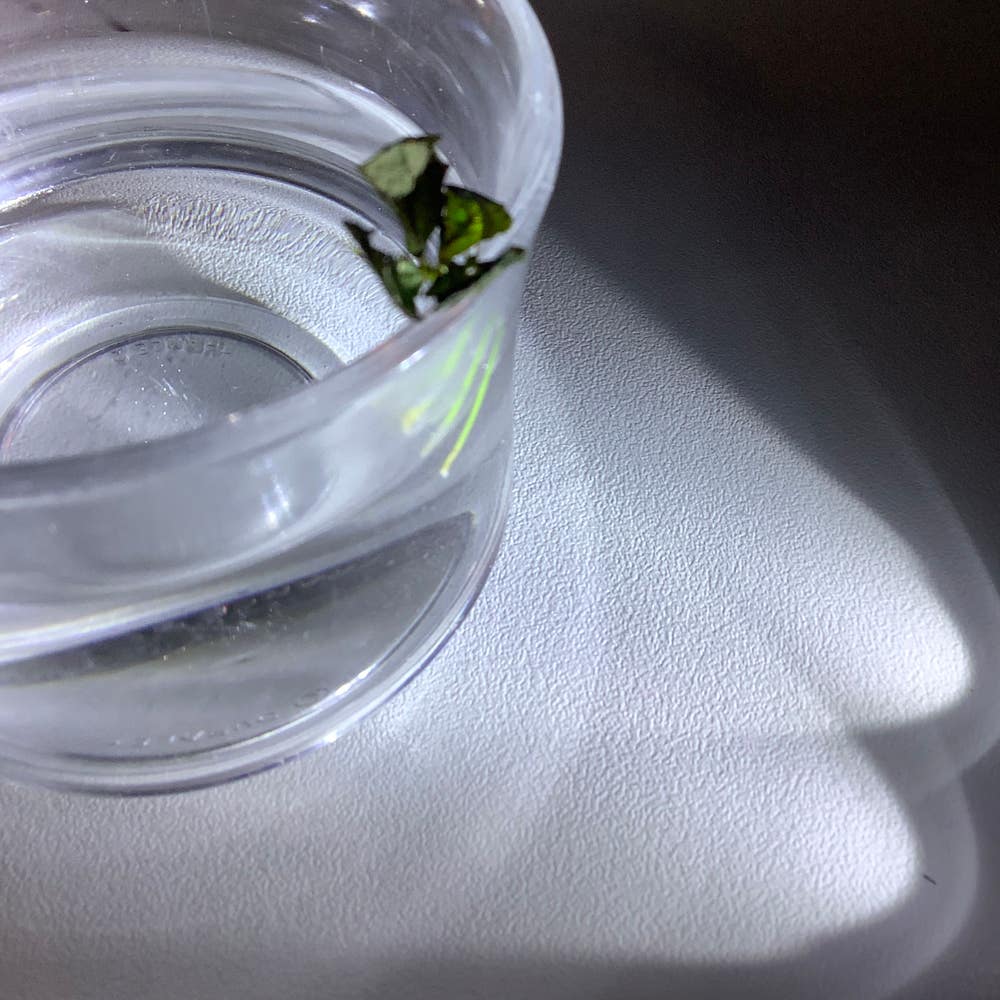
Soil Recommendations for European Waterclover
Marsilea quadrifolia
By the Greg Editorial Team
Apr 14, 2024•4 min read
This article was created with the help of AI so we can cover more plants for you. May contain errors. See one? Report it here.
Unlock lush growth for your European Waterclover with this definitive soil mix guide. 🌱✨
- Mold and poor drainage? Add perlite or pumice to your Waterclover soil.
- DIY soil mix: 3 parts peat moss, 1 part perlite, plus aquatic plant soil.
- Choose commercial soils with good drainage, like AquaGarden or PondCare.
Spotting and Fixing Unhealthy Soil
🚨 Recognizing Trouble in Paradise
Mold in your European Waterclover's soil is the plant equivalent of a flashing warning light. Musty odors and a soil texture that's more swamp than soil are your cues to take action. Yellowing leaves? That's your Waterclover crying out for help.
Turning the Soil Around
First things first: ditch the top layer of moldy soil. Let the remainder dry out to discourage any fungal freeloaders. A sprinkle of cinnamon or a splash of diluted baking soda can act as your natural mold busters. If these don't cut it, you might need to bring in the big guns—a commercial fungicide.
But let's not just treat the symptoms. Overwatering is often the culprit, so keep a hawk-eye on your watering can. If your soil's holding water like a sponge, cut back on the H2O and let the topsoil dry before the next watering session.
Drainage is key. Consider mixing in perlite or pumice to get that airy texture that roots love. It's like loosening a tight belt—your Waterclover will thank you with growth. And don't forget, proper pot drainage holes are non-negotiable; they're the escape routes for excess water.
Remember, proactive checks are better than reactive fixes. Keep those eyes peeled for signs of trouble and your European Waterclover will thrive in its own slice of soil paradise.
Crafting the Perfect Soil Mix at Home
🌱 The Base Ingredients
Peat moss, perlite, and aquatic plant soil lay the groundwork for your European Waterclover's home. These essentials create a nutrient-rich base, ensuring moisture retention and aeration, which are crucial for this aquatic plant's health.
🌿 Mixing it Right
To hit the sweet spot for moisture and drainage, start with a 3:1 ratio of peat moss to perlite, adding a handful of aquatic plant soil to the mix. This combination supports the European Waterclover's need for a semi-aquatic environment. Remember, the goal is to mimic the plant's natural habitat, balancing water retention with proper drainage. Adjust the ratios based on your plant's response; observe and tweak as necessary.
Choosing the Best Commercial Soil
🌱 What to Look For
When scouting for commercial soil mixes for your European Waterclover, think drainage first. The mix should feel light and crumbly, not like a wet sponge. Perlite or pumice should be on the ingredient list, ensuring that your plant's roots can breathe easy. Organic content is good, but too much can lead to waterlogging, so moderation is key. Look for organic certifications if you're leaning green. And while fancy packaging doesn't equate to quality, a resealable bag is a practical choice to keep the soil fresh for future use.
Top Picks for European Waterclover
When time is of the essence and mixing soil feels like a chore, here are a few commercial mixes that hit the mark for European Waterclover:
- AquaGarden Water Plant Soil: Specifically designed for aquatic plants, this mix strikes the right balance between moisture retention and drainage.
- PondCare Aquatic Planting Media: Free from peat and compost, it's a safe bet for your water-loving clover.
- Laguna Plant Grow: With a focus on non-toxic components, this mix is ideal for plants in ponds with fish.
Remember, no mix is perfect straight out of the bag. You might need to tweak the mix, perhaps adding a bit more perlite or coarse sand to customize the drainage to your plant's liking. Keep an eye out for seasonal adaptability in mixes if you're dealing with extreme weather shifts. And always, always read the label—your plant's health depends on it.
Keeping the Soil Healthy Long-Term
💪 Routine Checks and Balances
Regular soil assessments are like the pulse checks of your European Waterclover's world. Get hands-on; feel the soil at least monthly. If it's more brick than sponge, raise the alarm.
- Check moisture levels with a meter or your fingers.
- Inspect for compaction; roots need breathing room.
- Watch for nutrient deficiencies; yellow leaves are a cry for help.
- Ensure drainage holes are unobstructed to prevent waterlogging.
🔄 When to Refresh
Every two to three years, it's time to hit the refresh button on your soil. Think of it as a spa day for your Waterclover's roots.
- Look for signs of stalled growth or compacted soil.
- Replenish with a mix of fresh perlite, coarse sand, and peat moss.
- Consider a top dressing of compost or worm castings to boost nutrients.
- Rotate your plant to prevent uneven growth and soil compaction.
Remember, keeping your soil in prime condition is a non-negotiable for a thriving European Waterclover.
⚠️ Safety First
This content is for general information and may contain errors, omissions, or outdated details. It is not medical, veterinary advice, or an endorsement of therapeutic claims.
Always consult a qualified healthcare professional before using any plant as food, medicine, or supplement.
Never eat any plant (or feed one to pets) without confirming its identity with at least two trusted sources.
If you suspect poisoning, call Poison Control (800) 222-1222, the Pet Poison Helpline (800) 213-6680, or your local emergency service immediately.
Spotted an error? Please report it here.
Ensure your European Waterclover flourishes by crafting the ideal soil mix and using Greg's 🌱 custom reminders to prevent overwatering and maintain perfect soil conditions.