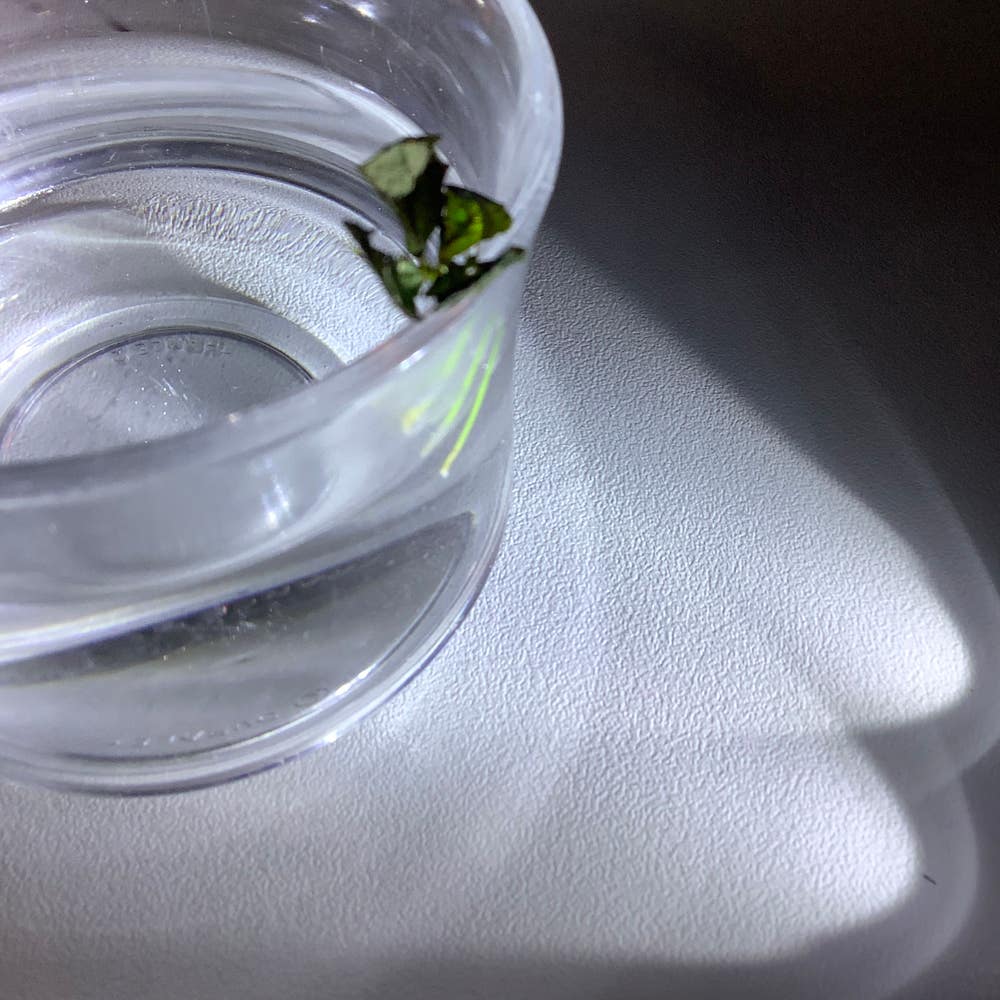
Why Are My European Waterclover Leaves Mushy?
Marsilea quadrifolia
By the Greg Editorial Team
Apr 14, 2024•3 min read
This article was created with the help of AI so we can cover more plants for you. May contain errors. See one? Report it here.
Prevent mushy Waterclover leaves 🍀 by pinpointing and tackling their soggy downfall!
- Overwatering and poor drainage lead to mushy European Waterclover leaves.
- Fungal infections can also cause leaves to become mushy.
- Consistent care and environment checks prevent future mushiness.
Spotting the Trouble: Identifying Mushy Leaves
🚨 Visual Symptoms
Wilting and limpness are the plant's white flags of surrender. If your European Waterclover's leaves have the appearance of a deflated balloon, it's a visual S.O.S. Dark, water-soaked spots with a yellow halo scream "trouble ahead," while leaves that resemble overcooked spinach are broadcasting their distress signal loud and clear.
🌱 Root Health Check
Roots should be the Hercules of your plant, not the Hades. If they're anything but firm and white, it's a red flag. Mushy, discolored roots that could be mistaken for soggy noodles are a telltale sign of rot. Remember, roots are the plant's lifeline; if they're compromised, the leaves are just the first casualties.
🌿 Environmental Assessment
Your plant's environment should be more spa than swamp. Light and temperature are not just details; they're critical to your plant's well-being. Too much sun can scorch, and too little warmth can chill, leading to mushy leaves. And airflow isn't just about feeling the breeze; it's about keeping fungal foes at bay. If your plant's leaves feel like a squishy marshmallow, it's time to reassess their living conditions.
Root of the Problem: Causes of Mushiness
💦 Overwatering Woes
Overwatering is the equivalent of drowning your European Waterclover in love. The roots, deprived of oxygen, begin to rot, leading to the telltale mushy leaves. If the soil feels perpetually soggy, it's a clear sign you're overdoing it with the H2O.
🚰 Drainage Dilemmas
Poor drainage is like a trap for water around your plant's roots. Compacted soil or inadequate drainage holes can cause water to pool, creating an environment where root rot thrives. This can quickly turn your Waterclover's leaves from firm to mushy.
🍄 Fungal Foes
Fungal infections, such as root rot, are silent attackers that can turn robust leaves into mushy disasters. Look for discoloration and a general wilted appearance as signs of a fungal takeover. If the roots have a slimy texture or an off-putting smell, it's time to act against these fungal foes.
Turning Over a New Leaf: Fixing Mushy Leaves
💧 Watering Wisdom
Watering your European Waterclover correctly is crucial. Only water when the top inch of soil is dry. This simple change can be a game-changer for your plant's health.
🚰 Drainage Solutions
Drainage is your plant's best friend. Mix perlite or coarse sand into the soil to keep it well-aerated. Ensure your pot has enough drainage holes; think "more is better."
🍄 Fungus Among Us: Treatment Options
If you're battling a fungal infection, it's time to bring out the fungicides. Choose the right one for the job and follow the instructions to the letter. For a more natural approach, consider home remedies, but keep your expectations in check.
Keeping It Firm: Preventing Future Mushiness
💧 Consistent Care Schedule
Watering should be as predictable as your morning alarm. Establish a routine that keeps the soil's moisture balanced, not too wet or too dry. Use tools like moisture meters to guide you, or trust the old-school finger test.
🕵️ Proactive Plant Checks
Regular inspections are non-negotiable. Like checking your car's oil, it's about maintenance. Look for early signs of distress, such as discoloration or wilting, and act promptly to correct any issues.
🌿 Environment Optimization
Your plant's surroundings should be as stable as your favorite diner's menu. Ensure lighting and temperature conditions are consistent, and adjust as the seasons change. Remember, your plant doesn't have the luxury of moving to a sunnier spot or grabbing a sweater.
⚠️ Safety First
This content is for general information and may contain errors, omissions, or outdated details. It is not medical, veterinary advice, or an endorsement of therapeutic claims.
Always consult a qualified healthcare professional before using any plant as food, medicine, or supplement.
Never eat any plant (or feed one to pets) without confirming its identity with at least two trusted sources.
If you suspect poisoning, call Poison Control (800) 222-1222, the Pet Poison Helpline (800) 213-6680, or your local emergency service immediately.
Spotted an error? Please report it here.
Prevent your European Waterclover from turning into a mushy mess by letting Greg craft a custom watering plan 🌱 that takes into account your home's unique environment.