What Do European Waterclover Flowers Mean?
Marsilea quadrifolia
By the Greg Editorial Team
Apr 14, 2024•3 min read
This article was created with the help of AI so we can cover more plants for you. May contain errors. See one? Report it here.
Unlock the secrets to flourishing Waterclover blooms 🍀—a symbol of luck—by mastering their ideal growing conditions!
- 🍀 Symbolizes luck and serendipity, reflecting cultural significance.
- Optimal light, temperature, and humidity are crucial for blooming.
- Pruning and patience enhance flowering potential.
Decoding the Meaning Behind the Blooms
🌿 Cultural and Symbolic Interpretations
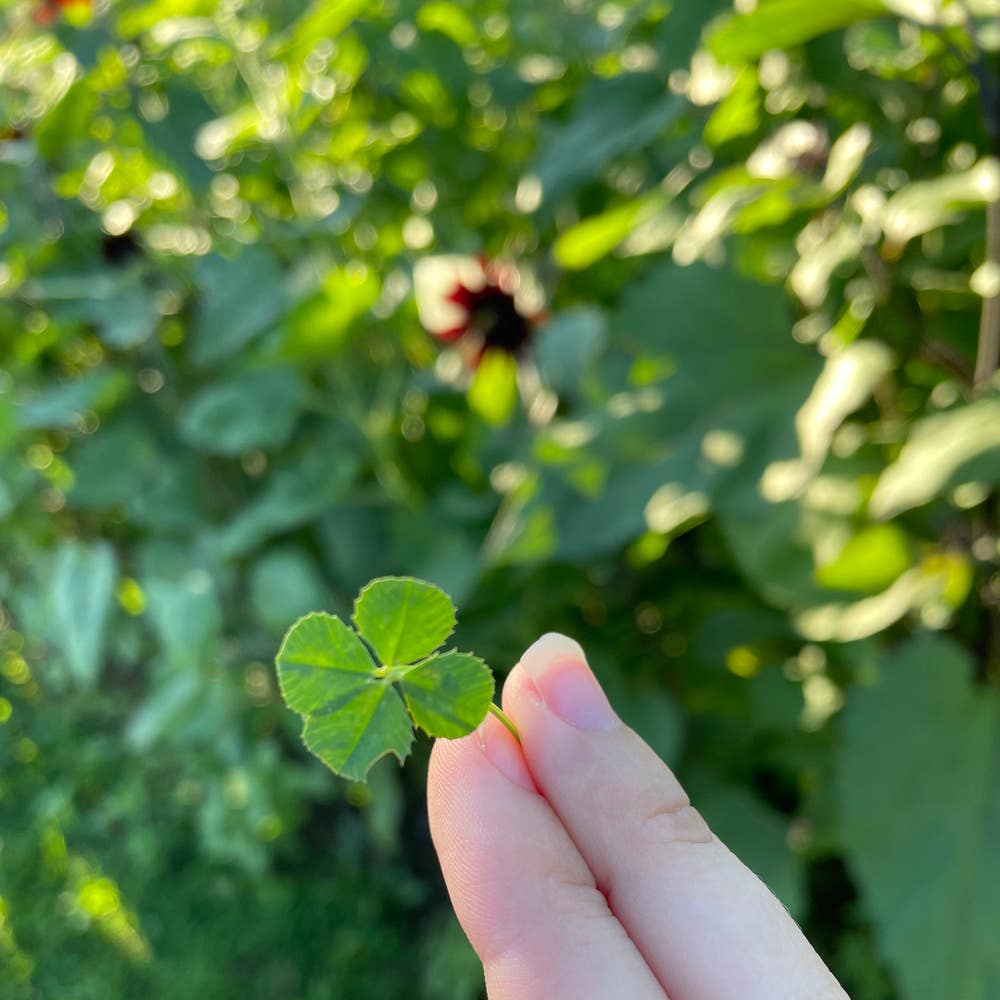
In the tapestry of floral language, European Waterclover flowers are more than just a splash of green. Historically, they've been somewhat of an enigma, lacking the fame of roses or lilies in the Victorian flower code. Yet, their four-leaf clover-like appearance whispers tales of luck and serendipity. They're not your typical bouquet star, but in the right circles, they're a subtle nod to fortune's favor.
🌍 Environmental Storytelling
When European Waterclover decides to bloom, it's not just showing off. It's giving a green thumbs-up to its surroundings. Think of it as the plant's version of a five-star review for its environment. Blooms indicate that light, temperature, and nutrients are hitting the sweet spot. It's a living barometer, signaling that all's well in its little world.
The Blooming Recipe: Triggering European Waterclover Flowers
💡 Light: The Illuminating Factor
Light is the maestro of the European Waterclover's blooming symphony. It cues the plant to initiate flowering, making it a critical factor in bloom development. To optimize light exposure, consider the plant's natural habitat and mimic those conditions as closely as possible.
Tips for Optimal Light Conditions
- Photoperiod adjustments can be key. European Waterclover may require specific day lengths to trigger blooming.
- Ensure consistent light exposure without overdoing it. Too much direct sunlight can be just as detrimental as too little.
🌡️ Temperature and Humidity: The Climate Dance
Temperature and humidity are the partners in the dance of blooming, each step calibrated to perfection. European Waterclover thrives in a specific range of temperatures and humidity levels, with deviations potentially delaying or preventing flowering.
Creating the Ideal Climate
- Aim for air temperatures between 72 and 82 degrees Fahrenheit and water temperatures from 67 to 78 degrees Fahrenheit.
- Maintain high humidity without creating overly soggy conditions, which can lead to plant stress or disease.
🚰 Water and Nutrients: The Sustenance of Life
Water quality and nutrient balance are the backbone of healthy European Waterclover blooms. Proper hydration and feeding are essential for the development of vibrant flowers.
Watering and Feeding Best Practices
- Use high-quality water and monitor pH levels to ensure optimal nutrient uptake.
- Balance your fertilization regimen, focusing on phosphorus and potassium to promote flowering while avoiding high nitrogen levels that favor leaf growth over blooms.
From Buds to Blossoms: Encouraging European Waterclover to Show Off
💇 The Right Touch: Pruning for Prosperity
Pruning isn't just about aesthetic shaping; it's a strategic move to boost your European Waterclover's blooming potential. Strategic snips can redirect the plant's energy from leaves to buds, setting the stage for a more impressive floral show.
👀 The Waiting Game: Patience and Observation
Understanding your plant's natural rhythm is crucial. Signs of budding indicate that your patience is about to pay off. Expect flowers to emerge in their own time, and keep a vigilant eye on your Waterclover's progress. Remember, blooms are not instant gratification but a reward for sustained care and attention.
⚠️ Safety First
This content is for general information and may contain errors, omissions, or outdated details. It is not medical, veterinary advice, or an endorsement of therapeutic claims.
Always consult a qualified healthcare professional before using any plant as food, medicine, or supplement.
Never eat any plant (or feed one to pets) without confirming its identity with at least two trusted sources.
If you suspect poisoning, call Poison Control (800) 222-1222, the Pet Poison Helpline (800) 213-6680, or your local emergency service immediately.
Spotted an error? Please report it here.
Discover the secret to blooming 🍀 success with Greg, guiding you through the optimal care routine for your European Waterclover's lush flowers.