10 Advantages of Having a European Waterclover
Marsilea quadrifolia
By the Greg Editorial Team
Apr 14, 2024•4 min read
This article was created with the help of AI so we can cover more plants for you. May contain errors. See one? Report it here.
Embrace the charm and eco-benefits of European Waterclover for a luck-filled 🍀 and thriving water garden.
- 🍀 Symbolizes good luck, enhancing garden aesthetics and meaning.
- Natural purifier and oxygen booster, supporting a healthy aquatic ecosystem.
- Low maintenance and educational, offering stress relief and ecological lessons.
A Splash of Charm: Aesthetic and Symbolic Perks
🌿 Aesthetic Appeal
The European Waterclover isn't just another aquatic plant—it's a visual treat. Its clover-like foliage ripples through water features, bringing a lush greenery that's both calming and captivating. Picture the surface of your pond, not just water but a canvas painted with vibrant strokes of nature's own design.
🍀 Symbolism of Good Luck
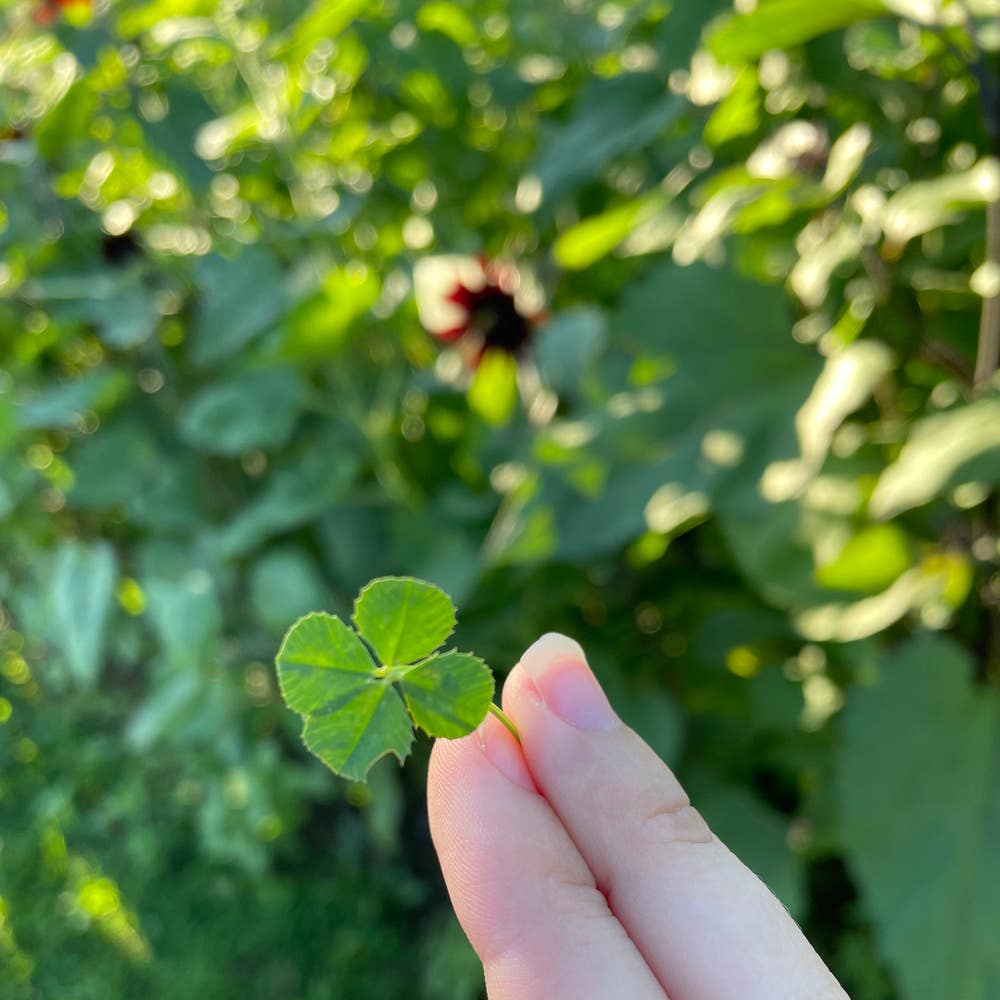
Good fortune often finds its symbol in the humble clover. The European Waterclover, with its four-leafed kin, carries this tradition into your garden. It's not just a plant; it's a charm for luck, a nod to cultural tales of prosperity and serendipity. Each leaf a promise of hope, a natural talisman nestled among your water lilies and reeds.
Nature's Little Helper: Ecological and Environmental Benefits
💧 Natural Water Purifier
European Waterclover isn't just a pretty face; it's a natural filter. By absorbing excess nutrients and pollutants like nitrogen and phosphorus, it keeps water gardens crystal clear and healthy. Think of it as nature's own water treatment plant, but without the industrial vibe.
🦜 Wildlife Haven
This plant is a wildlife magnet. Its lush foliage provides a sanctuary for aquatic creatures, from fish to frogs, and its flowers attract beneficial insects. It's like a bustling hotel for critters, contributing to a thriving, diverse ecosystem.
🏞 Shoreline Guardian
Shorelines love the European Waterclover. It's a soil stabilizer that combats erosion, safeguarding the delicate interface between land and water. Fallen leaves? No problem. They become food for aquatic life, while the plant's roots hold the earth firm, keeping your pond's edges from washing away.
Easygoing Aquatic Companion: Practical Advantages
🌿 Low Maintenance Mate
European Waterclover, Marsilea quadrifolia, is the chill plant you've been looking for. It doesn't throw a tantrum when conditions aren't perfect; it just adapts. Whether it's the pH level doing the tango or the water temperature deciding to take a dip, this plant keeps its cool. It's like that friend who's content with a couch to crash on, making it a dream for both seasoned gardeners and newbies.
💨 Oxygen Booster
Here's a breath of fresh air: European Waterclover is an oxygenating powerhouse. By pumping vital O2 into your pond, it's doing your fish a solid while keeping the water clearer than your schedule after you cancel those plans you didn't want to attend. Think of it as a natural spa treatment for your aquatic ecosystem, minus the hefty bill.
🌊 Versatile Planting
Got a pond, a slow-moving stream, or a water garden? European Waterclover will fit right in. It's not picky about its postal code and can thrive in a range of aquatic environments. Whether it's anchoring itself in the sediment or floating about, it's as adaptable as your playlist on shuffle. Plus, it's a great team player, mingling well with other aquatic plants, so you can mix and match to your heart's content.
Mind and Spirit Oasis: Personal and Educational Benefits
🌊 Therapeutic Waters
Gardening with European Waterclover is more than a hobby; it's a form of stress relief. Submerging your hands in water and tending to the delicate clover-like leaves can be a meditative experience. The rhythmic nature of aquatic gardening allows for a mental break, offering a sensory escape from the relentless pace of digital life.
🌱 Educational Sprout
European Waterclover isn't just a pretty addition to your pond; it's a living classroom. Observing its growth and understanding its role in the ecosystem can spark curiosity about aquatic life and environmental care. It's a hands-on way to learn about water purification and the importance of biodiversity. Plus, its resilience and adaptability make it an excellent example of nature's ingenuity, perfect for teaching sustainability and conservation principles.
⚠️ Safety First
This content is for general information and may contain errors, omissions, or outdated details. It is not medical, veterinary advice, or an endorsement of therapeutic claims.
Always consult a qualified healthcare professional before using any plant as food, medicine, or supplement.
Never eat any plant (or feed one to pets) without confirming its identity with at least two trusted sources.
If you suspect poisoning, call Poison Control (800) 222-1222, the Pet Poison Helpline (800) 213-6680, or your local emergency service immediately.
Spotted an error? Please report it here.
Embrace the serenity 🍀 of a European Waterclover in your water garden and rely on Greg for personalized care reminders that ensure its prosperity and your peace of mind.