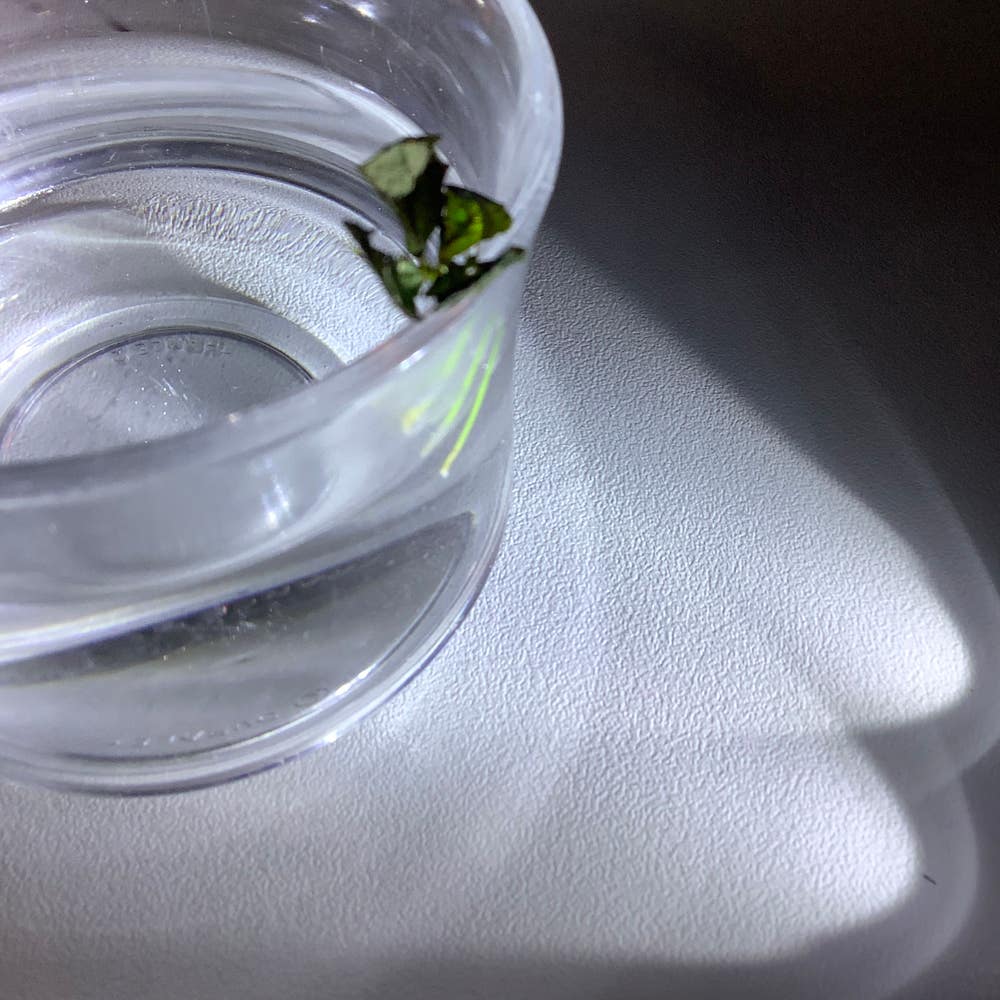
🌞 Is My European Waterclover Getting Too Much Direct Sunlight?
Marsilea quadrifolia
By the Greg Editorial Team
Apr 14, 2024•4 min read
This article was created with the help of AI so we can cover more plants for you. May contain errors. See one? Report it here.
Shield your European Waterclover from sun damage and ensure its lush growth with savvy sunlight tips. 🌱🛡️
- 🌞 Too much direct sunlight harms European Waterclover; look for bleached leaves.
- 🌍 Adjust light by hemisphere: North-facing windows (North) and South-facing (South).
- 🕒 Seasons dictate sun care: More shade in summer, embrace winter sun.
When the Sun Shines Too Bright: European Waterclover's Tolerance to Direct Sunlight
🌞 Can European Waterclover Soak up the Sun?
European Waterclover, a fern-like aquatic plant, thrives in both full sun and part shade. It's a bit of a sun worshipper, but even the most devout can overdo their solar prayers. The key is to strike a balance; too much direct sunlight can turn a healthy plant into a crispy critter.
🚨 Signs of Too Much Sun
Sunburn on European Waterclover isn't pretty. Leaves may exhibit a bleached look, crispy edges, or even a brittle texture. If your plant's leaves start resembling a salad left out at a summer picnic, it's time to dial back the sun exposure. Keep an eye out for these distress signals and be ready to act fast—shade and hydration can be your plant's best friends when the sun gets too enthusiastic.
Through the Looking Glass: Window Direction, Hemisphere, and Your Waterclover
🏞️ Window Wise: Where to Place Your Plant
North-facing windows are the chill lounges for your European Waterclover, offering a steady stream of indirect light. It's the kind of spa-like ambiance that keeps your aquatic friend from throwing a fit. In the Southern Hemisphere, though, you'll want to switch it up—south-facing windows are your go-to for that consistent light buffet.
🌍 Hemisphere Highlights: Adjusting Care by Location
The sun's angle isn't just a cool fact for trivia night; it's crucial for your Waterclover's well-being. Northern Hemisphere folks, aim for south-facing windows to catch those rays. If you're kicking it in the Southern Hemisphere, flip the script and go for north-facing windows. Seasons change the game, too—winter sun won't fry your plant like the summer one, so adjust your Waterclover's tan lines accordingly.
Adapting to the Sun's Schedule: Seasonal Sunlight and Duration
🌞 Seasonal Shifts and European Waterclover Care
Seasons change and so must your approach to caring for your European Waterclover. In summer, the sun is a relentless beast, threatening to scorch your aquatic friend. Conversely, winter sun is gentler, offering a soothing balm that your plant can bask in more freely.
Summer's blaze requires vigilance; too much direct sunlight can lead to a crispy plant. Winter, on the other hand, can handle a bit more sun without the risk of sunburn, making it the perfect time for some winter sun therapy.
🕰 Timing is Everything: Sunlight Duration and Plant Health
The ideal daily sunlight exposure for European Waterclover is a delicate balance. Aim for partial sun—direct morning light with afternoon shade is the sweet spot. This ensures your plant gets enough light without the risk of turning into an aquatic crisp.
To control exposure, get creative. Use shade cloths or position taller plants strategically during the sun's peak hours. It's like playing a game of chess with the sun, where your Waterclover's health is the king to protect.
Sunlight and Health: Ensuring Your European Waterclover Thrives
🌞 Preventing Sunburn in European Waterclover
Shade is not just a cool respite; it's a necessity for your European Waterclover's survival against the harsh sun. Positioning your plant where it can bask in gentle morning light while dodging the midday blaze is key. Think of using sheer curtains or a canopy as your plant's personal parasol, diffusing those intense rays.
Water plays a dual role here. Not only does it keep the plant hydrated, but it also helps regulate temperature. Ensure your Waterclover's aquatic environment stays cool and inviting, especially when the sun is out to sizzle.
🕵️ Monitoring and Adjusting for Perfect Sunlight Balance
Vigilance is your best tool. Watch for signs of distress, like bleached leaves that scream, "I've had too much sun!" Adjust your plant's location as needed, always seeking that sweet spot of light where your Waterclover thrives without the threat of a sunburn.
Remember, the sun's intensity isn't static; it's a seasonal drama queen. As the earth tilts and turns, so should your approach to your plant's sun exposure. Fine-tuning your Waterclover's environment with the changing seasons ensures it gets just the right amount of light year-round.
⚠️ Safety First
This content is for general information and may contain errors, omissions, or outdated details. It is not medical, veterinary advice, or an endorsement of therapeutic claims.
Always consult a qualified healthcare professional before using any plant as food, medicine, or supplement.
Never eat any plant (or feed one to pets) without confirming its identity with at least two trusted sources.
If you suspect poisoning, call Poison Control (800) 222-1222, the Pet Poison Helpline (800) 213-6680, or your local emergency service immediately.
Spotted an error? Please report it here.
Keep your European Waterclover thriving 🌿 with Greg's personalized care plans that adjust to the sun's changing angles and your plant's hydration needs.